Insect pinning looks simple from the outside, a pin through a bug, but the actual practice runs on a genuinely standardized system of pin sizes, materials, and mounting heights that professional entomologists and museum collections rely on to keep specimens comparable, labeled, and usable for research decades later.
What a real pinning kit actually needs to include
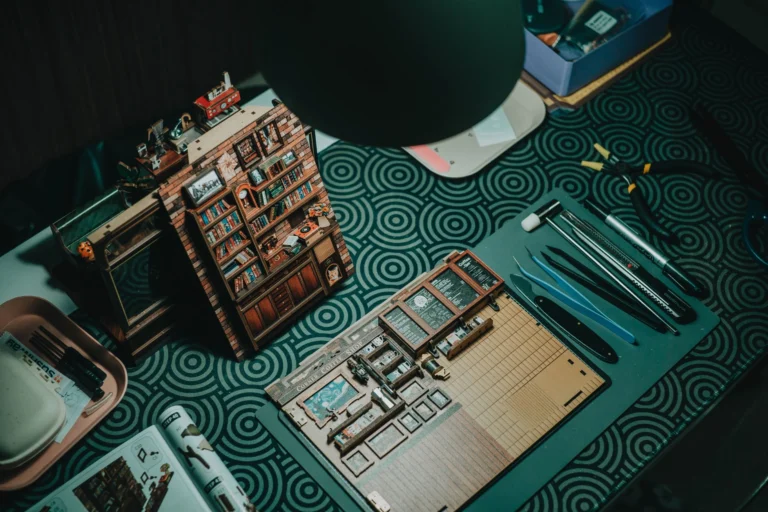
A complete beginner setup covers a specific, fairly short list of tools: insect pins in a range of sizes, a pinning or spreading board with a grooved channel to support a specimen’s body while its wings or legs are positioned, forceps for handling delicate specimens without damaging them, a teasing needle for arranging fine parts like antennae, and some form of display case or storage box lined with foam dense enough to hold a pin firmly in place over time. A genuinely well-equipped starter kit also includes specimen vials or a collecting jar, pinning labels for recording species and collection data, and a folding magnifier for close work on small specimens. One widely available complete kit priced under $35 packages eight display cases, six foam pinning boards, and a full set of pins and tweezers, a reasonable entry point for someone testing the hobby before investing in specialty-grade equipment.
Why pin size is a real, standardized system, not a loose guideline
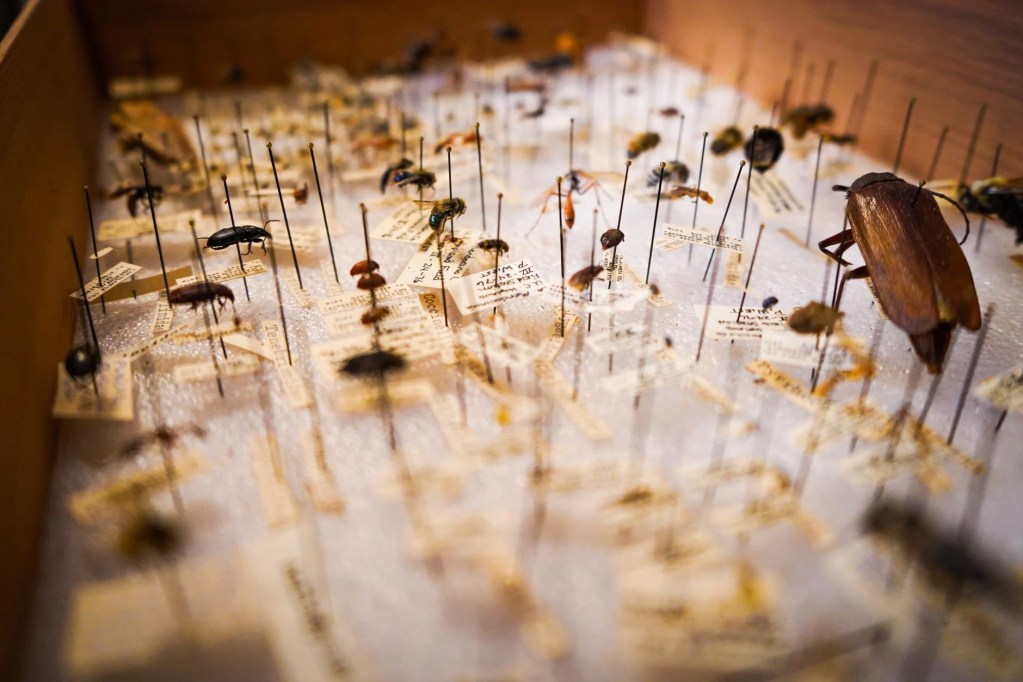
Entomological pins come in a defined range of sizes running from 000, the thinnest, up through 00, 0, 1, and on to size 8, the thickest, with every pin in the standard system manufactured to a fixed 38-millimeter length regardless of diameter. Size 2, at roughly 0.46 millimeters in diameter, is generally considered the single most broadly useful size for an average collection, since it’s thick enough to support a mounted specimen securely without being so heavy it damages smaller or more delicate insects, with sizes 1 and 3 rounding out the next most commonly stocked options. For genuinely large, heavy specimens like big beetles, size 7 pins step up to 52 millimeters in length and a notably thicker gauge specifically built to support weight a standard-length pin would bend under. A serious collector’s pin drawer typically holds several sizes rather than a single one, chosen specimen by specimen based on body size and weight, not by a single default.
Why material quality matters more than it looks like it would
Pin material is not a minor detail. Rust-resistant stainless steel is the standard for any collection meant to last, since a pin that corrodes inside a mounted specimen over years can stain, weaken, and eventually destroy the very specimen it’s supposed to preserve. Higher-end insect pins, including lines manufactured in the Czech Republic using Swedish steel, are specifically marketed on corrosion resistance and consistent gauge across a full box, since an inconsistent pin diameter within the same labeled size makes precise mounting harder and can loosen over time in storage. Mid-tier stainless steel pins, commonly made from 304-grade steel, offer a genuinely reasonable balance of affordability and durability for hobbyists who don’t need museum-archival guarantees but still want a collection that holds up for years rather than months.
The pinning height standard, and why it exists
Professional and museum-standard collections mount every specimen at a consistent height along the pin, both to protect the pin’s head from being handled directly and to keep an entire drawer visually uniform and easier to scan. The Cornell University system, the reference standard most American entomology collections are built around, uses unit trays with a fixed internal height of 43.5 millimeters specifically to enforce this consistency, protecting pin heads from contact and giving every specimen the same physical stability inside its drawer regardless of the insect’s individual size. That consistency isn’t just cosmetic. A collection where every specimen sits at a predictable height is dramatically easier to catalog, compare, and eventually digitize than one where mounting height varies pin to pin, which is exactly why the Cornell system has remained the dominant standard for so long despite plenty of newer, flashier storage products entering the market.
Where to actually buy, by experience level
Beginners and hobbyists are generally well served by an all-in-one starter kit that bundles pins, a pinning board, forceps, and basic storage into one purchase, since it removes the guesswork of assembling compatible individual pieces before a first attempt. Intermediate collectors who’ve outgrown a starter kit typically move toward buying pins and boards separately from dedicated entomological suppliers, which offer a wider range of pin sizes and higher material quality than a bundled beginner kit usually includes. Serious and professional collectors generally source from specialty suppliers offering Cornell-standard drawers, archival-quality foam bottoms, and premium stainless steel pins sold by the box in specific sizes, since at that level the marginal cost difference between a hobbyist pin and a museum-grade one is small relative to the value of the specimens being preserved for the long term.
Common myths about insect pinning
Myth: any straight pin works fine for mounting insects. Standard sewing or craft pins are too thick, too short, and not rust-resistant, and using one will visibly damage a specimen’s body cavity while also risking corrosion that stains or destroys the insect over time. Entomological pins are a specifically engineered product, not a generic substitute.
Myth: bigger insects always need the thickest available pin. Pin size should match the specimen’s actual weight and body density, not just its visible size. An oversized pin through a lighter-bodied but large insect can crack or split the body, which is why experienced collectors keep a range of sizes on hand rather than defaulting to the largest pin available.
Myth: pinning height is just a matter of personal preference. The Cornell-standard height exists specifically to protect pin heads and keep drawers uniform and comparable across an entire collection, and departing from it makes a personal or institutional collection meaningfully harder to catalog, compare, or eventually integrate into a larger archive.
Frequently asked questions
What size insect pin should a beginner buy first?
Size 2 is generally considered the most broadly useful all-purpose size, thick enough to support most common specimens securely without being heavy enough to damage smaller ones, with sizes 1 and 3 as the next most useful additions to a starter collection.
Why are specialty entomological pins so much more expensive than regular pins?
They’re manufactured to a specific standardized length and diameter system, made from rust-resistant stainless steel rated to avoid corroding inside a specimen over years of storage, a materials and manufacturing standard ordinary sewing or craft pins were never built to meet.
What is the Cornell drawer system, and do hobbyists actually need one?
It’s the standard mounting-height and drawer-tray system most American entomology collections use, built around a fixed 43.5-millimeter tray height that keeps every specimen at a consistent, protected level. Casual hobbyists don’t strictly need it, but anyone building a collection meant to last or eventually be compared against other collections benefits from following the same standard from the start.
Is a $30 starter kit good enough, or is it a waste of money?
For someone testing whether insect collecting is a hobby worth pursuing, a bundled starter kit with basic pins, a pinning board, and simple storage is a genuinely reasonable entry point. Serious, long-term collections eventually benefit from upgrading to specialty-grade pins and Cornell-standard storage, but that’s a second-stage purchase, not a requirement to get started.
Sources: Wikipedia, Ecology Supplies, Pin-It Entomological Supply, BugsDirect, Moth and Beetle.