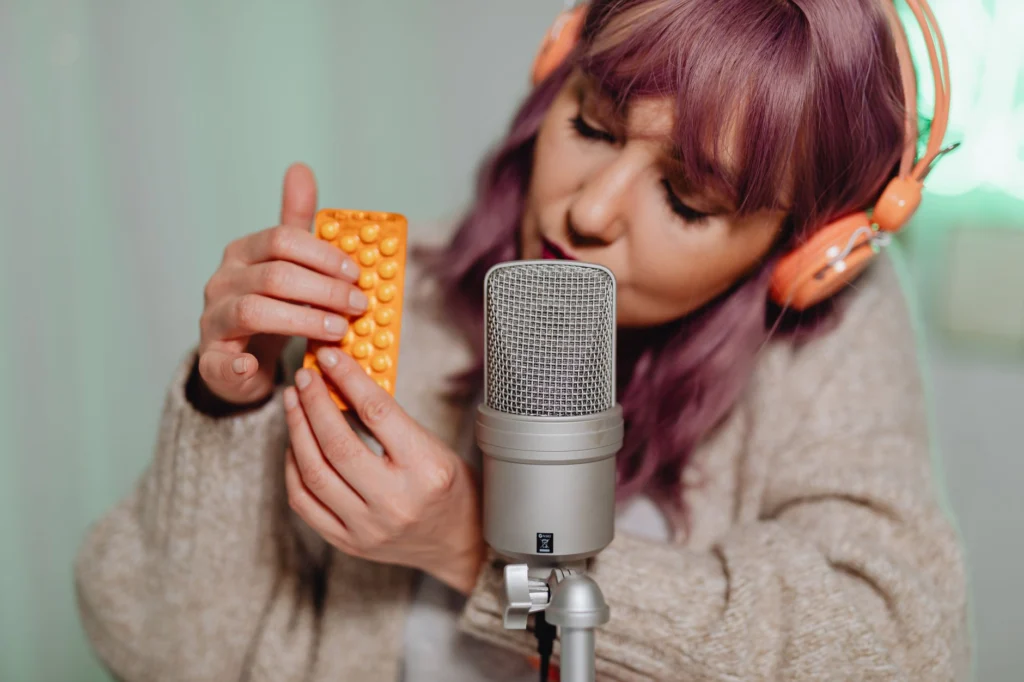
Autonomous Sensory Meridian Response — ASMR, the tingling, relaxing sensation some people experience in response to specific soft sounds and gentle, focused attention — started as an entirely internet-native phenomenon with no formal research backing, named by an online community before scientists took a serious interest. That’s changed: a growing body of peer-reviewed research now supports that ASMR is a real, measurable physiological and psychological phenomenon, not simply a placebo or internet trend.
What researchers have actually found
Controlled studies measuring physiological response in self-identified ASMR responders during trigger videos have found genuine reductions in heart rate and increases in skin conductance patterns consistent with relaxation, compared to control videos without ASMR triggers — a real, measurable autonomic nervous system response, not just a subjective reported feeling. Brain imaging research has also found that ASMR-triggering stimuli activate regions of the brain associated with reward and emotional arousal in people who report experiencing the sensation, in a pattern distinct from people who don’t experience ASMR watching the identical videos — evidence that whatever is happening is a genuine individual difference in how some brains process specific sensory input, not something imagined.
Not everyone experiences it, and that’s expected
A significant portion of the population reports never experiencing ASMR at all, even with the same triggers that produce a strong response in others, and researchers currently believe this reflects genuine neurological variation rather than a skill some people simply haven’t learned — similar in structure to how not everyone experiences the closely related phenomenon of “frisson” (chills from music) despite exposure to the same stimulus.
ASMR isn’t a trick or a placebo for the people who experience it. The measurable physiological response is real — it’s just not universal, which is exactly what you’d expect from genuine neurological variation.
The practical, evidence-supported use case
The strongest research-supported application so far is for sleep onset and general relaxation in people who do experience the response, with several smaller clinical studies finding modest but real reductions in reported stress and improved sleep onset among regular ASMR content users — genuinely useful, if narrower than the broader wellness claims sometimes made about it, and specifically limited to the subset of the population whose nervous system responds to the triggers in the first place.
If your company or product is mentioned in this article, you're welcome to share it.