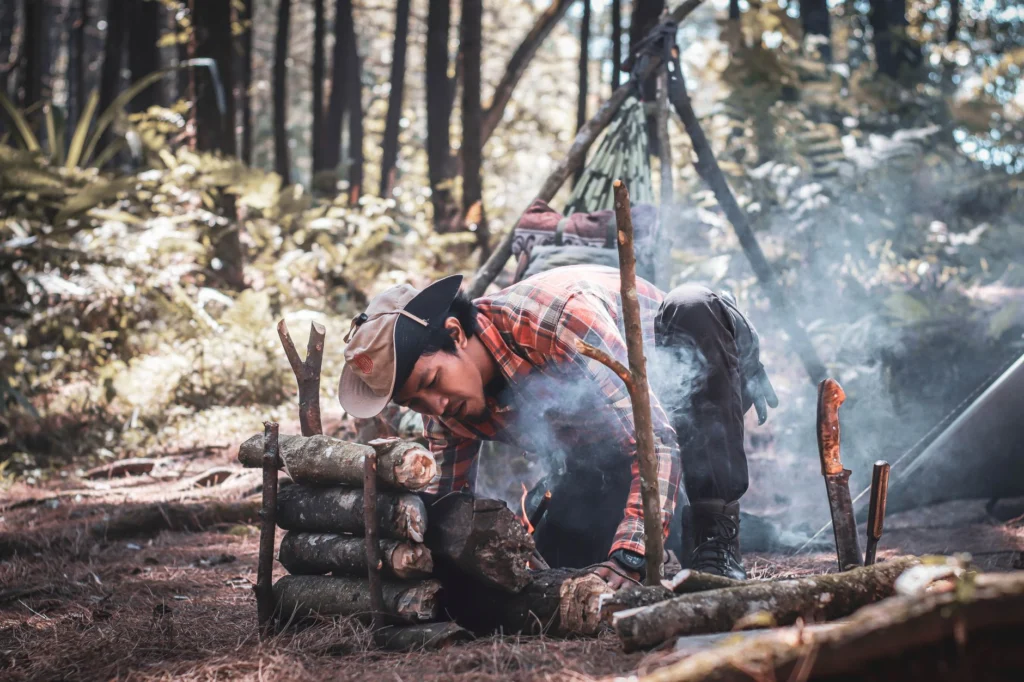
Outdoor recreation participation in the United States hit a record high in 2025 for the ninth consecutive year — 183.2 million people ages six and older, or 59 percent of that population, took part in some form of outdoor activity. Camping specifically reached 42.3 million participants, with more than 52 million North American households camping at some point during the year, a figure that’s now exceeded pre-pandemic levels rather than just recovering to match them. The obvious explanation is that this is a lingering pandemic habit. The actual data suggests something more specific and more durable than that.
The growth isn’t where you’d expect it
If this were purely a pandemic-era holdover, you’d expect the growth to be concentrated among people who were already outdoor-inclined before 2020, just doing it more. Instead, the participant base has grown by nearly 30 million people since 2019, and the demographic breakdown of that growth is genuinely broad: the 65-and-over group alone added 800,000 new participants in a single recent year and 12.1 million since 2016, children ages 6 to 12 reached 22.6 million participants, Hispanic participation rose 6.5 percent, and women’s participation hit a record 53.4 percent. More than half of today’s outdoor participants have fewer than ten years of outdoor experience — this isn’t a niche hobby community getting slightly larger, it’s genuinely new entrants across age groups and demographics that weren’t previously the core outdoor-recreation audience.
What’s actually driving it
Industry survey data points to a specific combination of motivations rather than a single cause: participants consistently cite wellness, connection, and meaningful experience as their reasons for going, not just recreation for its own sake. That maps onto a broader cultural pattern — people explicitly seeking activities that counter the effects of constant screen time and digital fragmentation, where a weekend without reliable cell signal has gone from an inconvenience to, for some people, the actual point of the trip.
There’s also a straightforward economic angle that’s easy to underweight: camping and outdoor travel are meaningfully cheaper than hotel-based vacations, and that gap has mattered more as travel costs have climbed generally. A family that might have booked a hotel-based trip a decade ago can camp for a fraction of the cost while still getting a genuine change of scenery — which helps explain why families and first-time participants, not just longtime enthusiasts, are driving a meaningful share of the growth.
What this actually signals
The specific combination here — broad demographic growth, first-time participants making up more than half the base, and wellness and connection cited as the primary motivation rather than cost alone — points to something more like a values shift than a temporary trend. People aren’t just camping because it’s cheap, and they’re not only camping because gyms and offices were closed for a while in 2020. The data suggests a more durable reprioritization: enough people finding that time outdoors, away from constant connectivity, is worth building into ordinary life rather than treating it as an occasional escape. Whether that holds as a permanent cultural shift or eventually plateaus is the open question — but nine consecutive years of record growth, across nearly every demographic group tracked, isn’t what a short-lived fad usually looks like.