

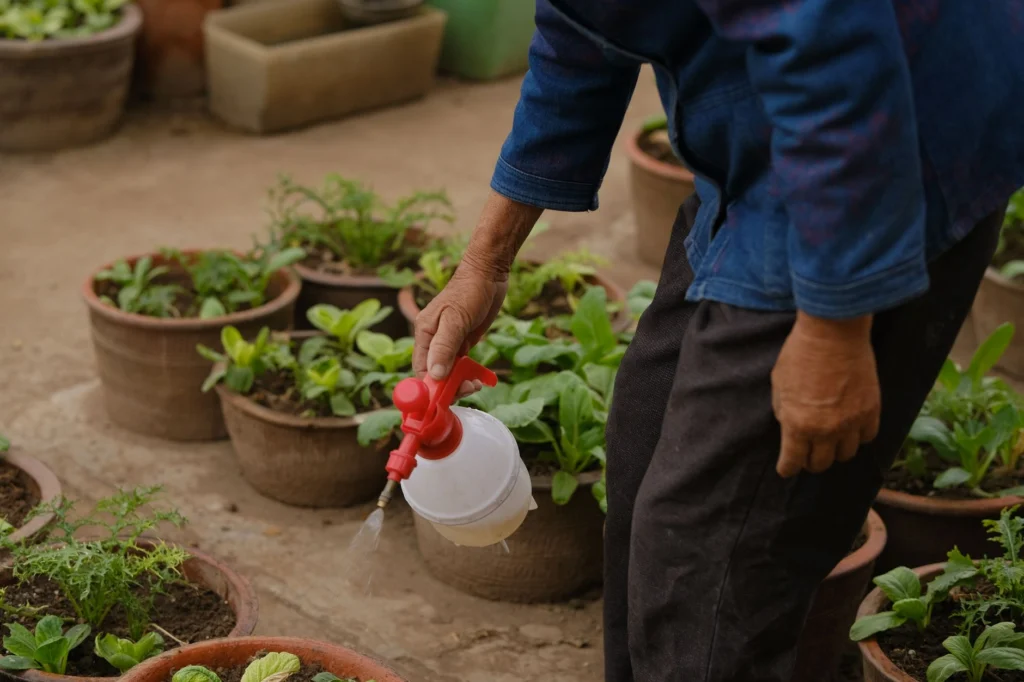
Urban gardening has moved well beyond a niche interest into a genuinely mainstream response to rising food costs and a desire for more control over what’s on the table, but the specific constraints of city growing space — limited light, limited soil volume, limited square footage — mean the advice that works for a backyard garden often doesn’t translate directly.
What actually thrives in constrained space
Leafy greens and herbs are the most consistently successful category for small-space growing: lettuce, spinach, and most culinary herbs have shallow root systems that tolerate container growing well, mature quickly enough to produce multiple harvests in a single season, and tolerate the partial-shade conditions common on many balconies far better than fruiting vegetables do. Tomatoes and peppers can genuinely succeed in containers, but success depends heavily on container size (undersized pots are the single most common reason container tomatoes underperform) and consistent watering, since containers dry out considerably faster than in-ground soil.
Light is the constraint that actually determines what’s possible
The most common mistake new urban gardeners make isn’t soil or watering — it’s overestimating available light. Fruiting vegetables (tomatoes, peppers, squash) generally need six or more hours of direct sun to produce well, a bar that many urban balconies and windowsills simply don’t clear, particularly in dense cities with tall surrounding buildings. Rather than fighting that constraint, the more realistic approach is auditing actual light hours honestly before choosing what to grow — a north-facing apartment window is genuinely better suited to herbs and leafy greens than to a tomato plant that will likely disappoint regardless of care quality.
The limiting factor in urban gardening usually isn’t skill. It’s sunlight — and no amount of good technique compensates for a plant that needs six hours of direct sun and is getting two.
Vertical growing changes the math
For genuinely space-constrained growers, vertical systems — wall-mounted planters, tiered shelving, trellising vining plants like cucumbers and beans upward instead of letting them sprawl — meaningfully expand what’s possible in a small footprint, and have become one of the more significant practical innovations making serious food production viable on a balcony that would otherwise only fit a few pots.