

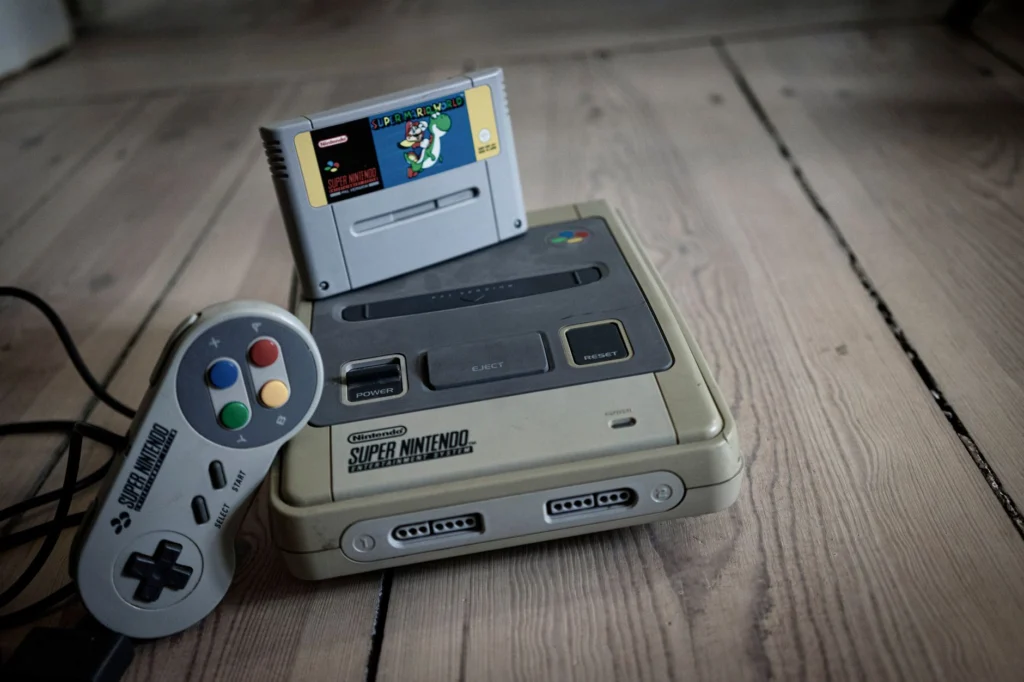
Retro gaming has grown from simple nostalgia collecting into something closer to an active digital preservation movement, driven by a genuinely urgent underlying problem: the physical media that early video games shipped on is degrading, and in many cases, the original source code and assets for historically significant games have already been permanently lost.
The physical decay problem is real and accelerating
Cartridge-based games generally hold up reasonably well, but disc-based media from the CD and early DVD console eras is subject to a well-documented degradation process called “disc rot,” where the reflective layer inside the disc can deteriorate over time, eventually making the disc unreadable regardless of how carefully it was stored — a genuine, ticking-clock preservation problem for an entire console generation’s worth of games. Cartridge-based save systems relying on small internal batteries face a parallel problem: as the batteries die, decades-old save data is permanently lost, which matters enormously for games where the save file itself (not just the cartridge) represents unique, unrecoverable player history or, in some documented cases, contains data relevant to speedrunning and gaming history research.
Emulation moved from piracy gray area to legitimate archival tool
Software emulation — running old game code on modern hardware through software that mimics the original console — occupies a genuinely complicated legal position, but has become an essential and increasingly recognized tool for legitimate preservation, particularly for games whose original publishers have gone out of business or shown no interest in official re-releases, leaving emulation as the only realistic way the software survives for future study or play at all.
A meaningful percentage of early video game history exists today only because hobbyist preservationists extracted and archived it before the original media failed — not because any studio or publisher planned for long-term preservation.
Why this has become urgent, not just a hobby
Organizations like the Video Game History Foundation have increasingly framed the situation in terms closer to film preservation than casual collecting — pointing out that a significant share of early video games are already lost entirely, with no surviving playable copy or archived source code, a fate that mirrors the well-documented loss of a large percentage of silent-era films before dedicated film preservation became a serious institutional priority.