This is an editorial pick, not a submission. It’s Talmyn’s own research into a specific workflow one app gets right, published as part of our ongoing Talmyn Best App coverage.
A note on method first, since Talmyn’s Best App criteria explicitly favor firsthand use over marketing claims: this pick is based on CareClinic’s public materials, app store listings and independent reviews, not on Talmyn actually installing and running the app day to day. Where a claim comes only from CareClinic itself, that’s stated plainly below rather than presented as something Talmyn confirmed directly.
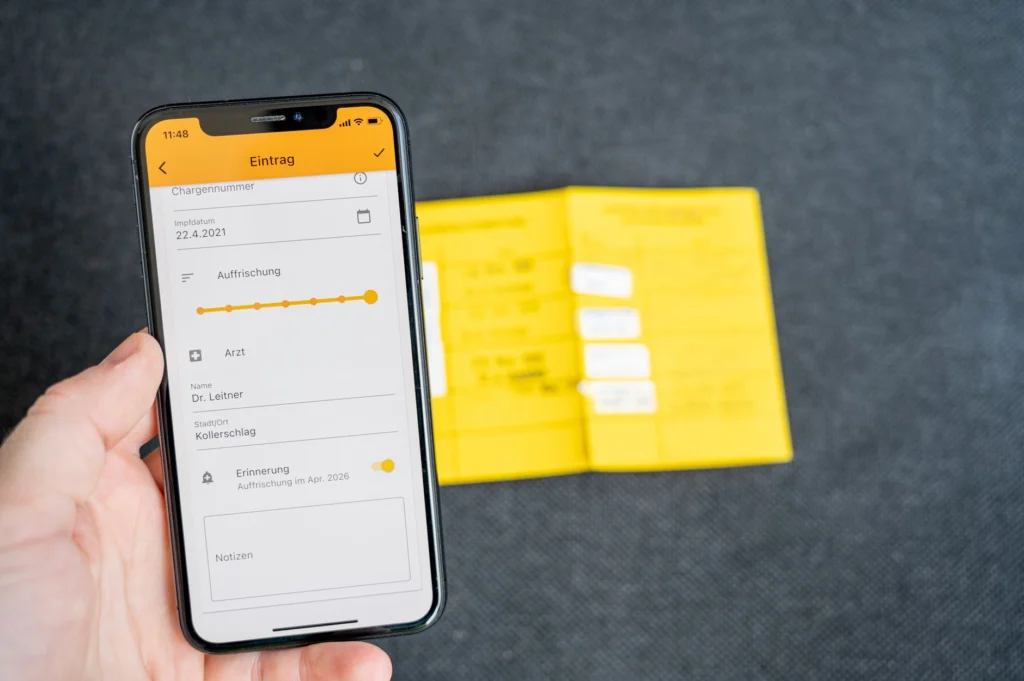
CareClinic is a non-diagnostic health tracker for symptoms, medications, mood, sleep and daily observations, available on iOS, Android, web and macOS. It’s built for people managing an ongoing condition, whether that’s a chronic illness, a mental health pattern, or just a symptom worth watching, and who need a way to turn scattered day-to-day notes into something coherent enough to bring into an appointment.
Why this made the list
Plenty of health apps log data. The specific thing CareClinic is built around is turning repeated personal observations into a clear, shareable history for a care conversation, rather than treating tracking as the end goal in itself. The app pulls in over 100 supported conditions, syncs with Apple Health, Google Fit and wearables, and generates reports meant to be handed to a provider rather than just reviewed alone. That’s a narrower, more specific promise than a general-purpose journal or mood tracker makes, and it’s the reason this pick focuses on it rather than on the app’s full feature list.
What’s independently checkable, and what isn’t
CareClinic states it has more than 500,000 users and describes its guided health pathways as built on clinical frameworks, citing Stanford and Mayo Clinic protocols and a claimed 82 percent of users reporting better provider conversations. Talmyn has not independently verified any of those specific figures; they come from CareClinic’s own site, not a third party Talmyn could check directly.
What is independently checkable paints a more mixed picture than the company’s own marketing. CareClinic’s Google Play listing shows a 3.1-star rating from roughly 1,000 reviews, notably lower than the 4.8-star figure cited on CareClinic’s own site. That gap is worth naming plainly rather than smoothing over: a large, functional app can still draw real user frustration, and a rating this public shouldn’t be left out of an honest picture.
What this pick cannot support
This is not a clinical endorsement, and CareClinic itself is explicit that it’s non-diagnostic. Talmyn has not tested whether the app’s guided pathways or reminders hold up in daily use, has not verified its HIPAA or encryption claims beyond what CareClinic states publicly, and has not confirmed the Stanford or Mayo Clinic protocol references against a primary source. Readers managing a real health condition should treat this as a pointer worth investigating themselves, not a substitute for that research or for a conversation with a qualified provider.
Talmyn’s Best App coverage looks for a specific workflow an app gets right, evaluated honestly rather than repeated from a press kit. CareClinic’s core idea, that a scattered set of personal health notes becomes more useful once it’s structured for a care conversation, is a real and specific one. The mixed store rating and the unverified clinical claims are real too, and belong in the same piece rather than a separate one. See the app at careclinic.io.