New Zealand produces less than 1% of the world’s wine, but its Sauvignon Blanc redefined the category in the 1980s and 1990s. Today the country makes distinctive Pinot Noir, Chardonnay, and Bordeaux-style reds across a range of regions. Here are seven things to know.
1. The Key Wine Regions
New Zealand’s two main islands offer different growing conditions. The key regions:
- Marlborough: At the northeastern tip of the South Island, Marlborough is the country’s largest wine region. Its cool climate and high sunshine hours produce Sauvignon Blanc with intense passionfruit, grapefruit, and herbaceous notes, plus crisp acidity.
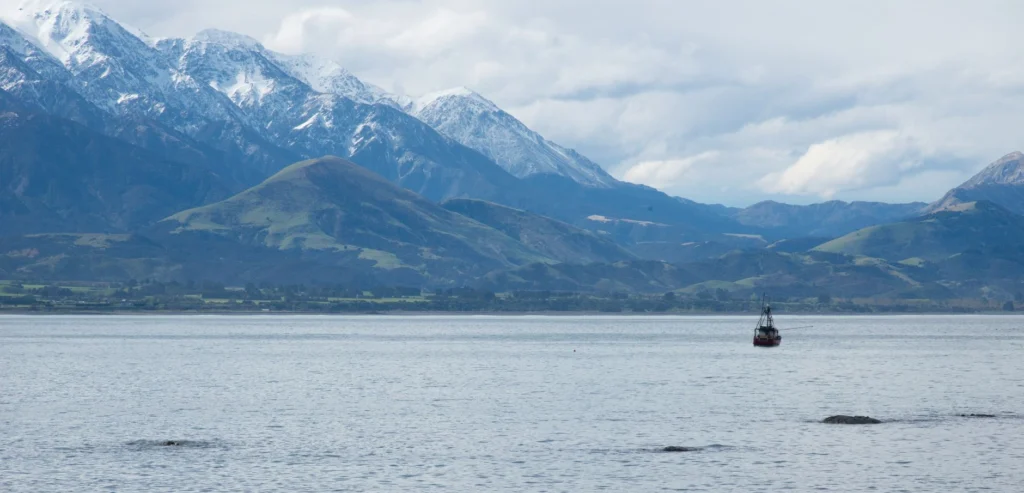
- Central Otago: In the Southern Alps, Central Otago is the world’s southernmost wine region. It is known for Pinot Noir with cherry, plum, and spice flavors. Dramatic diurnal temperature variation (hot days, cool nights) helps develop intense flavors and balanced acidity.
- Hawke’s Bay: On the east coast of the North Island, Hawke’s Bay is one of New Zealand’s oldest and most diverse wine regions. It is known for red blends based on Merlot and Cabernet Sauvignon, as well as Chardonnay. Warm climate and varied soils allow many grape varieties to thrive.
- Wairarapa: Just north of Wellington on the North Island, Wairarapa is a boutique region known for Pinot Noir and Sauvignon Blanc. Cool climate and gravelly soils contribute to elegant, complex wines.
2. The Signature Grape Varieties
Certain grapes have become synonymous with New Zealand winemaking:
- Sauvignon Blanc: Marlborough Sauvignon Blanc is world-renowned for its distinctive aromas and flavors.
- Pinot Noir: Central Otago Pinot Noir is sought after for its finesse and complexity.
- Chardonnay: New Zealand Chardonnay balances fruit, acidity, and oak. Hawke’s Bay and Marlborough produce excellent examples.
- Pinot Gris: This variety has gained popularity, with New Zealand Pinot Gris offering a crisp, refreshing alternative to European counterparts.
- Merlot and Cabernet Sauvignon: Hawke’s Bay is known for Bordeaux-style blends, showing these varieties’ potential in New Zealand’s climate.
3. The Impact of Climate and Terroir
New Zealand’s maritime climate brings cool temperatures and high rainfall. The long growing season allows grapes to develop complex flavors while retaining acidity. Diverse soil types, from gravelly riverbeds to volcanic soils, contribute to each region’s unique terroir.
4. Winemaking Techniques and Innovation
New Zealand winemakers combine modern techniques with traditional methods. Many use stainless steel tanks to preserve the fresh, vibrant flavors of Sauvignon Blanc. Others experiment with wild yeast fermentation and oak aging to add complexity to Chardonnay and Pinot Noir.
5. Food Pairing Suggestions
New Zealand wines pair well with a range of cuisines:
- Sauvignon Blanc: Seafood, salads, and goat cheese. High acidity and herbaceous notes cut through rich flavors and cleanse the palate.
- Pinot Noir: Roasted chicken, grilled salmon, and mushroom risotto. Earthy notes and delicate tannins complement these dishes.
- Chardonnay: Creamy pasta, lobster, and roasted vegetables. Rich texture and balanced acidity make it versatile.
- Pinot Gris: Asian-inspired dishes, light appetizers, and fresh fruit. Subtle sweetness and crisp acidity make it refreshing.
6. Sustainable and Organic Wine Production
Sustainability is central to the New Zealand wine industry. Many wineries practice water conservation, soil management, and biodiversity preservation. Organic and biodynamic winemaking is growing. Look for certifications like Sustainable Winegrowing New Zealand (SWNZ) to identify wines produced with sustainable practices.
7. How to Taste and Appreciate New Zealand Wine
To appreciate New Zealand wine, start with the basics:
- Appearance: Observe color and clarity.
- Aroma: Swirl the wine to release aromas. Identify fruit, flowers, spices, or herbs.
- Taste: Take a small sip and let it linger. Note sweetness, acidity, tannins, and body.
- Finish: Notice how long flavors linger after swallowing. A long, pleasant finish indicates quality.
If your company or product is mentioned in this article, you're welcome to share it.