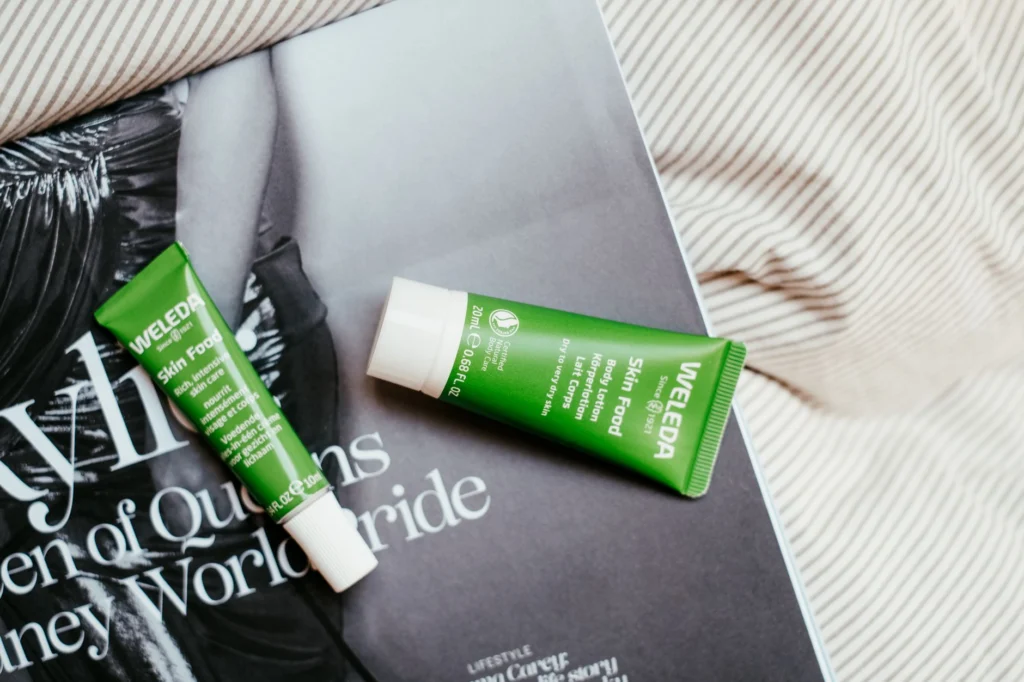
Skincare in 2026 has quietly moved away from aggressive treatments and quick fixes toward a slower, more defensive idea: protect the skin barrier first, and everything else works better because of it. According to the Boots 2026 Beauty and Wellness Trends Report, roughly 80 percent of adults now treat skincare as a long-term health investment rather than a reaction to a single bad breakout or dry patch. That shift shows up clearly in what actually launched this year. We went through the year’s real new releases, cross-checked ingredient claims against what dermatologists and formulation chemists have said publicly about them, and picked nine products that represent the barrier repair trend at its most substantive, not just its most marketed. Here is how we ranked them and why.
How skincare got here
The barrier-first approach dominating 2026 launches is a direct reaction to the previous decade of increasingly aggressive routines. The multi-step routine boom of the late 2010s and early 2020s pushed people toward stacking several active ingredients, retinoids, high-percentage acids, vitamin C, often in the same routine, frequently without enough recovery time between them. That era produced a wave of what dermatologists began calling compromised barrier syndrome, chronic redness, stinging, and sensitivity caused not by any single product but by cumulative over-treatment. The skin cycling trend that followed was an early, partial correction, spacing actives out over a weekly schedule instead of using everything daily. 2026’s barrier-first philosophy is the fuller version of that correction: instead of scheduling around aggressive ingredients, the newest formulations are built to support the barrier as the foundation everything else depends on, which is why gentler technologies like beta-glucan and PDRN, rather than another wave of stronger acids, are this year’s defining ingredients.
Who each pick is actually for
Board-certified dermatologist Dr. Marisa Garshick has publicly emphasized matching products to your primary skin concern rather than chasing whatever is trending, and that guidance maps cleanly onto this list. If you have oily or acne-prone skin, prioritize lightweight, non-comedogenic formulas, which points toward the EltaMD sunscreen and The Ordinary’s beta-glucan moisturizer first. If you have dry skin, richer creams with ceramides and humectants are the better starting point, which favors the CeraVe moisturizer and the Dr. Althea PDRN cream. If your skin is sensitive or reactive, fragrance-free products built around soothing ingredients like niacinamide should come first, making the CeraVe formula and the RHA serum’s gentler acid technology reasonable starting points before adding anything stronger. This isn’t a reason to buy all nine at once, it’s a way to figure out which two or three actually address your skin rather than someone else’s.
How we picked and ranked these nine
Every product here is a real, currently available 2026 release or recent reformulation, not a hypothetical or discontinued item. We prioritized three things in this order: whether the core ingredient has actual published evidence behind it rather than just trend-driven marketing language, whether the specific formulation makes sense for the skin concern it claims to solve, and how the product fits into a complete routine rather than duplicating what another entry already covers. That last point matters more than it sounds. A genuinely useful nine-product list should function like a real routine, cleanser through treatment through protection, not nine variations on the same serum.
1. Dr. Althea Reju 5000 Cream
This tops the list because it pairs an unusually high concentration ingredient with a texture that actually works for daily use. The cream packs 5,000 parts per million of PDRN, a salmon-DNA-derived ingredient increasingly used in injectable and topical treatments for its wound-healing and regenerative signaling properties, alongside centella asiatica, a well-established soothing ingredient with real anti-inflammatory research behind it. Reviewers and formulation writers describe the texture as silky and weightless rather than heavy, which is the detail that actually determines whether people use a barrier cream consistently enough for it to matter.
2. The Ordinary Natural Moisturizing Factors + Beta Glucan
Beta-glucan is the single ingredient search term that grew the most in skincare this year, up 51 percent according to search trend data, and for reasons that hold up under scrutiny rather than pure hype. Independent formulation chemistry sources describe beta-glucan as roughly 20 percent more hydrating than hyaluronic acid by some measures, while also forming a protective film that reduces water loss and supports wound healing. The Ordinary’s formulation pairs it with a broader natural moisturizing factor complex, and the brand’s consistently low price point makes this the easiest, lowest-risk way to actually test whether beta-glucan does anything for your specific skin before spending more on a premium version.
3. CeraVe Light Facial Moisturizer with 72-Hour Hydration
CeraVe’s newest facial moisturizer earns its spot for taking the brand’s already dermatologist-trusted ceramide formula and specifically re-engineering it for people who found earlier CeraVe moisturizers too heavy for daytime or warmer climates. It combines hyaluronic acid, niacinamide, and the brand’s signature three essential ceramides, and is formulated to plump skin while claiming a full 72 hours of hydration from a single application, a genuinely useful claim if it holds up for people who don’t want to reapply moisturizer twice a day.
4. EltaMD UV Clear Blemish-Prone and Oil Balancing SPF 50
Sunscreen is the most overlooked part of barrier repair, since UV damage is one of the fastest ways to break down an already compromised barrier, and this entry solves the specific problem that pushes a lot of acne-prone people to skip SPF entirely: most sunscreens feel heavy or clog pores. EltaMD built this specifically for oily, acne-prone, and combination skin, with broad-spectrum SPF 50 protection and clinically demonstrated improvement in visible blemishes, oiliness, and pore appearance alongside the sun protection itself, making it a rare sunscreen that treats rather than just tolerates problem skin.
5. RHA Serum (SkinMedica)
RHA, short for polyhydroxy and bionic acids, was originally developed for injectable dermal filler chemistry before being adapted into a daily serum, and that lineage is the actual selling point here. It is marketed directly as a bridge between aesthetic medicine and daily skincare, using gentler, slower-releasing acid technology than traditional AHAs or BHAs, which makes it a genuinely reasonable option for people whose barrier is already compromised and can’t tolerate harsher exfoliating acids but still want some renewal benefit.
6. Ranavat Brightening Saffron Cleanser
A cleanser rarely gets top billing in a barrier repair routine, but a stripping cleanser undoes everything the rest of the routine is trying to fix, which is exactly the gap this product addresses. It combines antioxidant-rich saffron with red algae, squalane, and black oat, aiming to cleanse without disrupting hydration, an important distinction given how many popular cleansers still rely on sulfates that actively damage the barrier they’re supposed to be prepping for treatment.
7. Joonbyrd Future Romance Body Glaze
Barrier repair conversations focus almost entirely on the face, which made this body-specific entry worth including on its own merits. It uses grape flower exosomes, resveratrol, and peptides, the same category of advanced, cell-signaling ingredients usually reserved for premium facial serums, applied instead to the body, an area most skincare routines treat as an afterthought despite carrying the same barrier function as facial skin.
8. iUNIK Beta Glucan Power Moisture Serum
This is the second beta-glucan entry on the list, and it earns its place specifically because it targets a different formulation goal than The Ordinary’s version. Where The Ordinary’s product is a straightforward, budget-focused moisturizer, iUNIK’s is a serum-layer product built for people who want to add concentrated beta-glucan hydration underneath their existing moisturizer rather than replace it, and it carries EWG database verification on its ingredient safety profile, useful for anyone cross-checking formulations before buying.
9. Ziip Halo 2.0
The only device on this list, and it’s here because barrier repair isn’t purely a topical-ingredient story. Ziip’s updated microcurrent tool offers four dermatologist-inspired routines aimed at different outcomes, smoother texture, a clearer complexion, or overall glow, using low-level electrical current to support skin’s natural firming and circulation processes. It’s a genuinely different category of barrier support than anything else on this list, and a reasonable pick for anyone whose routine already covers ingredients and wants to add a tool-based layer on top.
Myths versus facts about barrier repair skincare
Myth: a thicker, heavier product always means better barrier repair. Fact: texture and actual barrier-supporting ingredients are separate variables. Several of the most effective entries here, including the beta-glucan picks, are lightweight specifically so people will actually use them consistently, which matters more than raw product thickness.
Myth: sunscreen and barrier repair are separate skincare categories. Fact: UV exposure is one of the fastest ways to break down an already weakened skin barrier, which is exactly why a barrier-focused sunscreen made this list rather than being treated as a separate afterthought.
Myth: beta-glucan is just a trendy marketing term with no real evidence behind it. Fact: independent formulation chemistry sources describe measurable hydration and wound-healing properties for beta-glucan, and its rapid rise in search interest tracks with a broader consumer shift toward ingredients backed by actual mechanism of action rather than pure trend language.
Frequently asked questions
What does skin barrier repair actually mean?
It refers to restoring and protecting the outermost layer of skin, which manages moisture retention and blocks irritants and pathogens. A damaged barrier shows up as dryness, sensitivity, redness, or a rough texture, and repairing it generally means favoring gentle cleansers, ceramide and beta-glucan-based moisturizers, and consistent sun protection over harsh actives.
Do I need all nine of these products at once?
No. This list is built to function as a complete routine across cleansing, treatment, moisturizing, and protection, but picking two or three that address your specific gaps, a gentler cleanser, one barrier-focused moisturizer, and a proper SPF, covers the fundamentals for most people.
Why do two beta-glucan products appear on the same list?
They serve different formulation roles. The Ordinary’s version is a straightforward, budget-friendly moisturizer, while iUNIK’s is a concentrated serum meant to layer underneath a separate moisturizer, making them complementary rather than redundant.
Is a microcurrent device actually part of barrier repair, or is that a stretch?
It supports a different mechanism, circulation and muscle stimulation rather than topical ingredient delivery, but dermatologists increasingly discuss skin health holistically across both categories, which is why we included one device-based option alongside the topical products.
What we left off, and why
Plenty of heavily marketed 2026 launches didn’t make this list, mostly because the ingredient story didn’t hold up once you looked past the packaging copy. We passed on several exosome-based facial serums specifically because exosome skincare, while genuinely promising in early research, is still working through the kind of independent, reproducible evidence that the ingredients on this list already have. That’s not a permanent disqualification, it’s a reason to wait for more data before recommending a product built primarily around a single emerging ingredient rather than a well-supported one.
The bottom line
The strongest theme across 2026’s real skincare launches is a shift away from aggressive, fast-result marketing toward ingredients and formulations that actually support the skin’s own protective function over time. Beta-glucan’s rise, the renewed focus on gentle cleansing, and sunscreen finally being treated as a barrier-repair essential rather than a separate category all point the same direction. These nine picks represent that shift at its most substantive, chosen for what the ingredients and formulations actually do, not just how well they photograph.
If your company or product is mentioned in this article, you're welcome to share it.