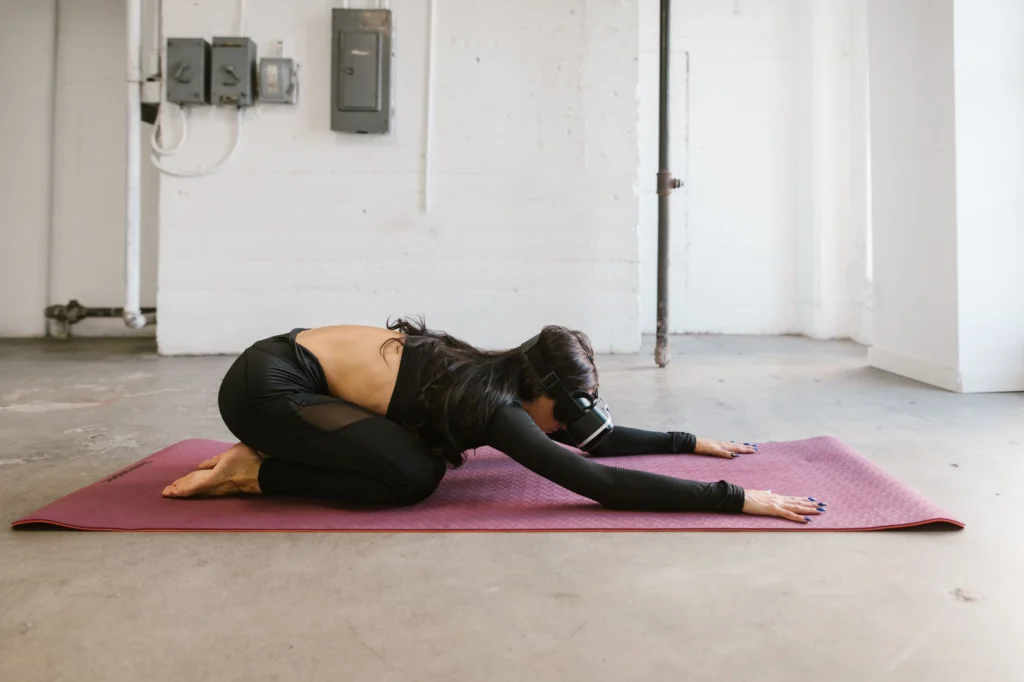
Home recovery used to mean a foam roller and an ice pack. In 2026, the category has split into genuinely distinct technologies, contrast therapy, exoskeletons, hydrogen water, biometric-driven sleep systems, each targeting a different part of how the body actually recovers. We looked at this year’s real launches, checked which ones carry independent recognition or published research rather than pure marketing claims, and ranked the nine worth knowing about.
How home recovery tech got this advanced
Professional athletic recovery tools, compression boots, percussive massage guns, contrast therapy, used to live almost exclusively in team training rooms and physical therapy clinics, too expensive and too specialized for home use. The shift toward home fitness that accelerated earlier this decade created real consumer demand for that same professional-grade recovery technology at home, and manufacturers have spent the years since miniaturizing and cost-reducing tools that were previously clinic-only. 2026’s launches represent the maturation of that shift: devices like cordless contrast therapy and wearable exoskeletons that would have been unrealistic for home use even three or four years ago are now shipping as consumer products.
Who each pick is actually for
If your recovery bottleneck is sore, inflamed joints after training, contrast and compression therapy tools address that directly. If it’s overall sleep quality affecting next-day performance, a biometric-driven sleep system matters more than any recovery tool you’d use while awake. If you’re managing a mobility limitation or want assistance during activity itself rather than after, an exoskeleton serves a different purpose than anything else on this list.
How we picked and ranked these nine
We prioritized products with independent recognition, awards, published research, or clinical-grade technology lineage, over pure marketing language, genuine 2026 availability rather than crowdfunding promises, and a spread across the actual phases of recovery, muscle, joints, sleep, mobility, rather than nine variations of the same massage gun.
1. Eight Sleep Pod 6
Launched September 23, 2026, replacing the Pod 5, this tops the list for pairing genuinely useful hardware upgrades with a real research-backed mechanism. It adds 18 biometric sensors in the cover, a hub about half the size of its predecessor that fits under most bed frames, faster temperature changes, and new solo sizes for single sleepers. Its AI-driven temperature regulation adjusts heating and cooling throughout the night based on real-time heart rate and breathing data, addressing sleep quality, arguably the single highest-leverage recovery factor, directly rather than treating it as a secondary feature.
2. Hyperice Normatec 3 Legs
Pneumatic compression boots at the 999 to 1,199 dollar price point, the same category of equipment used in NBA training rooms, now available for home use. Dynamic compression technology stimulating blood flow and reducing soreness is one of the more thoroughly studied recovery mechanisms in sports science, which is why this earns a high ranking over flashier but less-validated technologies.
3. Hyperice X2 Knee and Shoulder
A second Hyperice entry, distinct enough from the Normatec boots to earn its own spot: portable contrast therapy combining cold down to 40 degrees Fahrenheit, heat up to 121 degrees, and compression up to 160 millimeters of mercury, with no ice or cords required during use. Removing the ice and cord requirement is the detail that actually determines whether people use contrast therapy consistently rather than only when they happen to have ice on hand.
4. Rally Orbital Massager
Named one of Time magazine’s Best Inventions of 2025, carrying real third-party editorial recognition rather than only brand marketing. Its rotating massage attachments are designed to dig deeper than standard percussive massage guns for more precise tension relief, priced at 499 dollars.
5. Theragun PRO Plus
Priced at 599 dollars with 40 pounds of percussive force and six attachments, the category’s deepest stroke, now bundling red light therapy, vibration, and breathwork guidance into a single device rather than requiring separate tools for each. Consolidating multiple recovery modalities into one device is a genuine convenience upgrade over owning three or four separate single-purpose tools.
6. Ammortal Chamber
The most technologically ambitious entry on this list, combining red light therapy, PEMF, vibroacoustic therapy, and molecular hydrogen therapy alongside guided meditation and breathwork in a single chamber. It’s ranked behind the more established, singularly-focused tools specifically because combining this many modalities into one device makes it harder to isolate which part is actually driving results, but it represents a genuinely new product category rather than an incremental update to an existing one.
7. Dephy Sidekick
A 4,500 dollar exoskeleton that attaches to the shins and ankles via custom-fit shoes, letting wearers move easier, faster, and farther with less discomfort and effort. It occupies a genuinely different category than the rest of this list, mobility assistance during activity rather than recovery after it, and its price tag reflects that it’s targeting a more specialized use case than general at-home recovery.
8. Speediance Gym Nano
A portable, motor-driven cable training system that attaches to any home gym rack and delivers over 200 pounds of resistance training, expected to launch in late 2026. It’s included here because recovery and training capacity are connected: a compact system that lets someone train effectively at lower impact on joints supports the broader recovery picture, not just post-workout treatment.
9. Echo Hydrogen Flask
Using proton exchange technology similar to NASA’s approach, this flask turns tap water into hydrogen-rich water, with early studies suggesting short-term benefits for cellular energy, endurance, and recovery. It ranks last specifically because the supporting research is still described as early rather than extensive, making it a reasonable product to try but not one with the same evidence weight as compression therapy or sleep temperature regulation.
What these actually cost, and how to prioritize spending
This list spans a wide price range, from the roughly 300 to 400 dollar territory for basic percussive tools up through the 4,500 dollar Dephy Sidekick exoskeleton, and the price difference mostly tracks with specialization rather than general quality. A reasonable way to prioritize spending here is to identify your single biggest recovery bottleneck first, poor sleep, joint soreness, muscle tightness, limited mobility, rather than buying the most expensive or most talked-about device regardless of fit. Someone whose main issue is inconsistent sleep will likely see more real benefit from the Eight Sleep Pod 6 than from an exoskeleton, even though the exoskeleton costs significantly more and sounds more impressive. Matching the tool to the actual bottleneck matters more than matching it to price or hype in this category.
Myths versus facts about home recovery technology
Myth: more expensive recovery tech always means better results. Fact: the 999 to 1,199 dollar Normatec compression boots are backed by more established research than some pricier, multi-modality devices on this list, since compression therapy’s mechanism is among the most thoroughly studied in sports recovery science.
Myth: combining multiple recovery technologies into one device is always an upgrade. Fact: devices like the Ammortal Chamber that stack several modalities together make it harder to isolate which specific therapy is driving any result, which is a real tradeoff against simpler, single-purpose tools with clearer evidence behind them.
Myth: sleep tracking and recovery tools are separate categories. Fact: the Eight Sleep Pod 6 tops this list specifically because sleep quality is one of the highest-leverage recovery factors, and treating temperature-driven sleep optimization as part of a recovery stack rather than a separate wellness gadget reflects current sports science thinking.
Frequently asked questions
What’s the single best home recovery product to start with on a budget?
Among this list, lower-cost percussive or massage tools offer the most established benefit per dollar, though the Hyperice Normatec compression boots, despite a higher price, have some of the strongest research backing of any entry here.
Is an exoskeleton like the Dephy Sidekick meant for recovery or something else?
It’s built for mobility assistance during activity, helping someone move with less discomfort and effort, rather than post-activity recovery, which makes it a different category than the massage, compression, and contrast therapy tools on this list.
How strong is the research behind hydrogen water products like the Echo Hydrogen Flask?
Early studies suggest short-term benefits for cellular energy and recovery, but the research base remains smaller and newer compared to more established recovery mechanisms like compression therapy, which is reflected in its ranking here.
Why did the Eight Sleep Pod 6 rank above dedicated massage and compression tools?
Sleep quality affects nearly every other aspect of physical recovery, and the Pod 6’s real-time biometric-driven temperature adjustment addresses that directly, combined with genuine 2026 hardware upgrades over its predecessor rather than a minor software update.
What we left off, and why
We didn’t include basic foam rollers or standard ice packs, despite their continued popularity, because this list is specifically about what’s genuinely new in 2026, not the baseline tools most people already own and that haven’t meaningfully changed in years.
The bottom line
The strongest 2026 recovery products share a pattern: they take previously clinic-only or professional-athlete-only technology, compression therapy, contrast therapy, exoskeleton assistance, and make it genuinely usable at home, often backed by real research or independent recognition rather than pure marketing. Sleep-focused recovery, led by the Eight Sleep Pod 6, has earned a more central place in that conversation than it had even a couple of years ago, reflecting a broader shift toward treating recovery as a 24-hour process rather than something that only happens immediately after a workout.
If your company or product is mentioned in this article, you're welcome to share it.