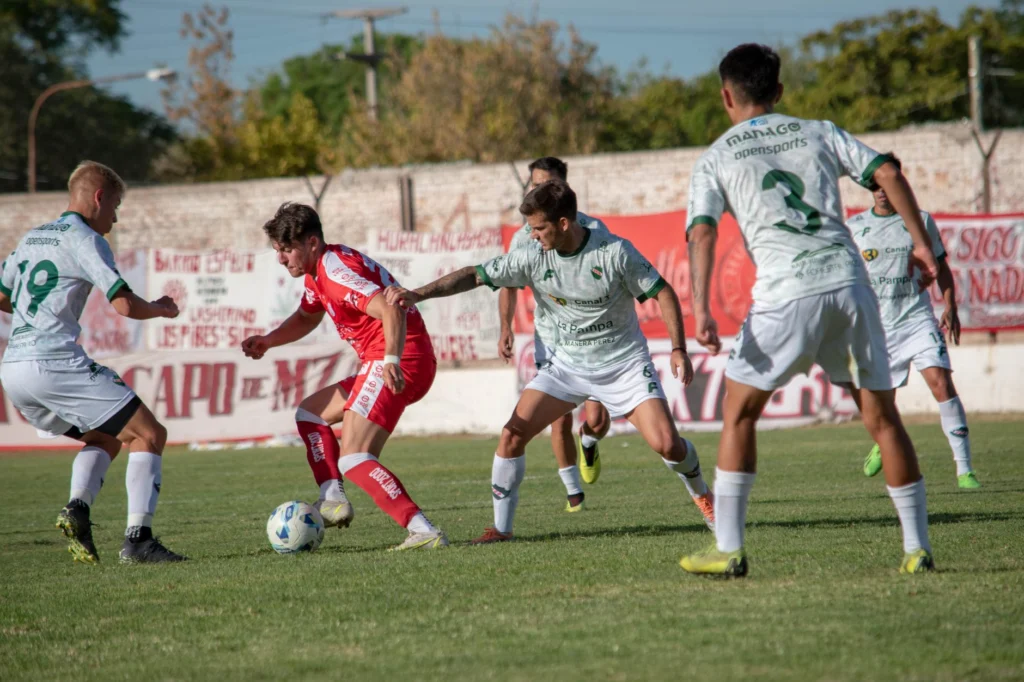
Spain had 68 percent of the ball against Belgium in their 2026 World Cup quarter-final. They completed 598 passes to Belgium’s 243, produced 17 shots to Belgium’s five and finished with eight attempts on target to Belgium’s two.
The score was only 2-1.
That gap between the numbers and the scoreline is what makes the match tactically interesting. Belgium did not collapse under Spain’s possession. For long stretches, they defended it intelligently. What Spain eventually demonstrated was something more specific: possession does not have to produce immediate chances to control a knockout match. It can keep an opponent defending, force its shape to move repeatedly and make the next attacking phase easier than the previous one.
Spain’s quarter-final victory on July 10 at Los Angeles Stadium was built around that process. Fabián Ruiz scored in the 30th minute, Charles De Ketelaere equalised before half-time, and Mikel Merino scored the winner in the 88th minute after Thibaut Courtois had been forced off injured. (fifa.com)
Spain used possession to move Belgium rather than simply keep the ball
The simplest reading of Spain’s 68 percent possession is that they dominated the ball. The more useful reading is what they did with it.
Spain repeatedly circulated possession across Belgium’s defensive block, us