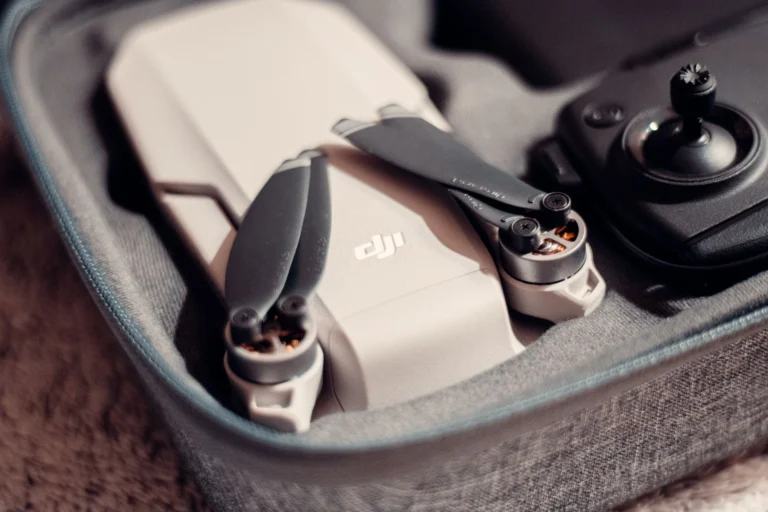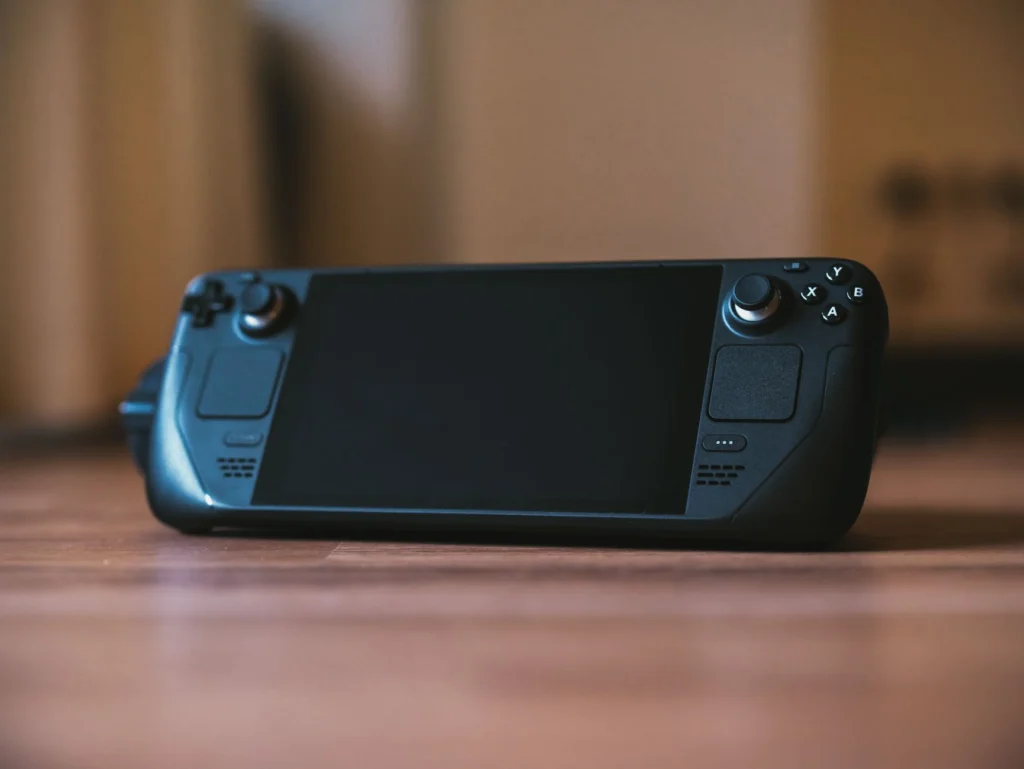
Handheld PCs stopped being a Steam Deck side category in 2026 and became a genuine battleground, with Asus, MSI, Acer, and Lenovo all shipping flagship-tier devices within months of each other. At the same time, the peripheral side of gaming quietly had its own breakthrough year, with magnetic switches and new input technologies reaching mainstream products rather than staying in niche, expensive releases. We looked at what actually launched in 2026 across both categories and ranked the nine worth paying attention to.
How handheld gaming got this competitive
Valve’s original Steam Deck proved there was real consumer demand for a PC-grade handheld, but for several years it had the category mostly to itself. What changed in 2026 is that the major PC hardware makers stopped treating handhelds as a niche experiment and started building flagship devices around them, competing directly on chip performance rather than just form factor. That shift is why this year’s devices carry premium price tags most early handhelds didn’t, the competition has moved from “does this work at all” to “whose chip and screen is actually better,” a far more expensive fight to compete in.
Who each pick is actually for
If you want the most powerful handheld gaming experience regardless of price, the flagship handhelds are built for you specifically. If you want handheld gaming on Valve’s own software ecosystem without necessarily buying Valve’s hardware, the SteamOS options matter more. If your focus is desktop or competitive play rather than portability, the peripheral entries are where this year’s real innovation sits.
How we picked and ranked these nine
We prioritized devices and peripherals actually shipping or with confirmed 2026 launch dates and pricing, genuine technical advances over incremental spec bumps, and a spread across handhelds, keyboards, mice, and controllers rather than nine devices competing in the same narrow category.
1. Asus ROG Xbox Ally X20
This tops the list as the most significant handheld release of the year, marking the ROG brand’s 20th anniversary with a rotatable Transforming D-pad specifically optimized for fighting game players, a detail that shows real attention to a specific player base rather than a generic one-size-fits-all control scheme. It launches October 15, 2026, at $1,300 for the standalone handheld, with a $2,500 Anniversary bundle for collectors.
2. MSI Claw 8 EX AI+
Built around Intel’s Arc G3 Extreme processor with XeSS 3 upscaling and meaningfully improved ergonomics over MSI’s earlier Claw devices. Its rumored $1,500 price positions it at the very top of the handheld market, a real drawback for most buyers, but the hardware itself represents MSI’s most serious handheld effort to date.
3. Acer Predator Atlas 8
Also powered by Intel’s Arc G3 Extreme processor, paired here with Arc B390 graphics, and priced more accessibly at £999.99 when it launches in October 2026. It earns its spot specifically for offering similar core silicon to the pricier MSI entry at a meaningfully lower price point.
4. Lenovo Legion Go 2 SteamOS Edition
Unveiled at CES 2026, this brings genuinely flagship-tier PC handheld performance paired with Valve’s user-friendly SteamOS interface rather than a Windows-based system, a real advantage for anyone who wants Steam Deck-style software on non-Valve hardware with more powerful internals.
5. Logitech Pro X3 Superstrike Mouse
The standout peripheral release from Logitech’s September 23, 2026 G PLAY event, using new HITS technology specifically engineered to reduce the delay between a physical click and the corresponding in-game action, alongside a 50 percent improvement in power efficiency while keeping the mouse genuinely lightweight rather than trading weight for battery life.
6. Razer Huntsman Signature Edition
Launched February 19, 2026, with second-generation Analog Optical Switches, true 8,000 Hz HyperPolling, Rapid Trigger Mode, and an anodized aluminum chassis. The 8,000 Hz polling rate is a genuine technical ceiling increase over most keyboards still shipping at 1,000 Hz, relevant specifically for competitive players where input latency compounds over long sessions.
7. SteelSeries Apex Pro TKL Gen 3
Upgrades to OmniPoint 3.0 magnetic switches with per-key actuation depth adjustable from 0.1 to 4.0 millimeters, giving players granular control over how sensitive each individual key is rather than one fixed actuation point across the whole board. This level of per-key customization was a premium, niche feature only a couple of years ago and is now shipping in a mainstream tenkeyless board.
8. Logitech Pro X2 Rapid Keyboard
A second Logitech entry, distinct enough to earn its own spot: customizable magnetic switches supporting Rapid Trigger and Key Priority through Logitech’s G HUB software, letting players adjust actuation points per key similarly to the SteelSeries entry but through a different software ecosystem, giving buyers a genuine choice between competing magnetic-switch implementations rather than one dominant option.
9. 8BitDo Micro Bluetooth Controller
The only true portability pick on this list: a wireless controller small enough to clip onto a keychain, built specifically for handheld gaming on the go rather than desktop or living room use. It earns its spot by solving a problem none of the larger, more powerful entries address, genuine pocketable portability without sacrificing a real physical controller layout.
What these actually cost, and where the real price jump happens
Handheld pricing in 2026 splits clearly around the $1,000 mark, and that split tracks almost exactly with chip tier rather than brand prestige. The Acer Predator Atlas 8 sits just under that line at £999.99, while the MSI Claw 8 EX AI+ and Asus ROG Xbox Ally X20 push past $1,300 and even $1,500 for top configurations. The jump buys a faster chip tier and, in the Asus device’s case, a genuinely specialized control scheme, but it does not buy a proportionally better general gaming experience for most players. Peripherals follow a gentler curve: magnetic-switch keyboards from SteelSeries and Logitech sit in a premium-but-not-extreme bracket compared to standard mechanical boards, reflecting how quickly that switch technology has moved from a rare feature to a standard premium-tier expectation.
Buying considerations beyond the spec sheet
Battery life and software ecosystem matter more in practice than raw benchmark numbers for most handheld buyers. A device with a faster chip but mediocre battery life can end up less useful for actual portable play than a slightly less powerful handheld that lasts through a full flight or commute. Similarly, the choice between a Windows-based handheld and a SteamOS device like the Lenovo Legion Go 2 affects day-to-day usability in ways a spec sheet comparison won’t show, SteamOS trades some software flexibility for a more streamlined, console-like experience that many players genuinely prefer for a handheld specifically, even if they’d choose Windows on a desktop.
Myths versus facts about 2026 gaming hardware
Myth: all 2026 handhelds run the same hardware with different branding. Fact: this year’s flagship handhelds use genuinely different chip platforms, Intel’s Arc G3 Extreme across several competitors, with meaningful performance and price differences between them rather than interchangeable rebrands.
Myth: magnetic switch keyboards are still a rare, ultra-premium niche feature. Fact: both SteelSeries and Logitech shipped mainstream magnetic-switch keyboards with adjustable per-key actuation in 2026, a feature that was genuinely rare and expensive just a couple of years earlier.
Myth: higher polling rate claims like 8,000 Hz are mostly marketing with no real benefit. Fact: for competitive, latency-sensitive play, moving from the long-standard 1,000 Hz to 8,000 Hz represents a real, measurable reduction in input lag, though the practical difference is more noticeable to competitive players than casual ones.
Frequently asked questions
Which 2026 handheld offers the best value rather than the best raw performance?
The Acer Predator Atlas 8 pairs similar core silicon to the pricier MSI Claw 8 EX AI+ with a meaningfully lower launch price, making it the stronger value pick among this year’s flagship handhelds.
What’s the actual difference between SteelSeries and Logitech’s magnetic switch keyboards?
Both offer adjustable per-key actuation depth, but they use different underlying switch technology, OmniPoint 3.0 for SteelSeries and a separate magnetic switch implementation for Logitech’s Pro X2, tied to different software ecosystems, G HUB for Logitech versus SteelSeries’ own software.
Is the Asus ROG Xbox Ally X20 worth the $1,300 price over cheaper competitors?
It depends on priorities. Its rotatable Transforming D-pad specifically benefits fighting game players, a niche but real use case; buyers without that specific interest may find the Acer or Lenovo options deliver comparable general performance at a lower price.
What we’re watching, but didn’t rank
Valve confirmed in September 2026 that a Steam Deck successor is actively in development, but the company has not locked in a chip, price, product name, or release window, with timing reportedly tied to memory market conditions rather than a fixed calendar target. We’re not ranking it here because nothing about it is confirmed enough to evaluate yet, but it’s the single biggest wildcard that could reshape this list once real specs and pricing exist.
The bottom line
2026 turned handheld gaming PCs into a genuine multi-brand fight rather than a Steam Deck-dominated niche, while gaming peripherals quietly delivered real technical advances, magnetic switches, ultra-high polling rates, in products that are now shipping at mainstream prices rather than staying locked in premium, limited releases. Whether you’re buying a handheld or upgrading your desktop setup, this is a genuinely stronger year for actual hardware advancement than gaming peripherals have seen in some time.
If your company or product is mentioned in this article, you're welcome to share it.