Last updated: September 1, 2026. This page is a living briefing, not a single dated article — we come back and add to it as real world developments happen, rather than publishing a new post every time something changes. If you’re searching for world news today, this is meant to be the page you bookmark, not one you have to search for again next week.
Below is what’s actually moving internationally right now, organized so you can scan it in under two minutes or read the context behind each item. We update the “latest” section at the top and move older items down into a running timeline as new developments land — the URL stays the same, so old links and search rankings keep working even as the content underneath changes.
What’s happening right now (September 1, 2026)
- At least 8 people are dead and 18 remain missing after a ferry carrying 267 people capsized off northern Cyprus, in what officials are calling the region’s worst maritime disaster. The Filo Jet was sailing from Kyrenia to Taşucu in southern Turkey when it began taking on water and flipped over just miles from port, sinking to a depth of more than 500 metres. 239 people were rescued; survivors described hearing an explosion and said there wasn’t enough safety equipment aboard. The ferry’s captain and seven crew members have been detained pending investigation.
- Canada confirmed it will impose retaliatory tariffs of 15% to 50% on more than 700 US products starting September 8, matching Washington’s tariffs dollar for dollar. The move follows a 50% US tariff on $20 billion worth of Canadian goods, and doubles Canada’s own steel and aluminum duties to 50% in direct response to matching US tariffs. Canada’s government has paired the move with a $7.5 billion support package for workers and businesses affected by the trade war.
Why this matters, not just what happened
Two things are worth understanding underneath today’s headlines.
The Cyprus ferry disaster raises real questions about maritime safety enforcement, not just a tragic accident. Survivor accounts of insufficient safety equipment and an explosion, combined with the immediate detention of the captain and crew, point toward this becoming a real investigation into vessel condition and operating practices — not simply a story about rough seas.
The Canada-US tariff escalation shows a trade war now running on its own momentum. Each side matching the other’s tariffs dollar-for-dollar, on a fixed forward date rather than as an immediate reaction, signals both governments are now treating this as a sustained economic policy standoff rather than a short-term dispute either side expects to de-escalate quickly.
Timeline: earlier August 2026 developments
Older items move down here as we add new ones above.
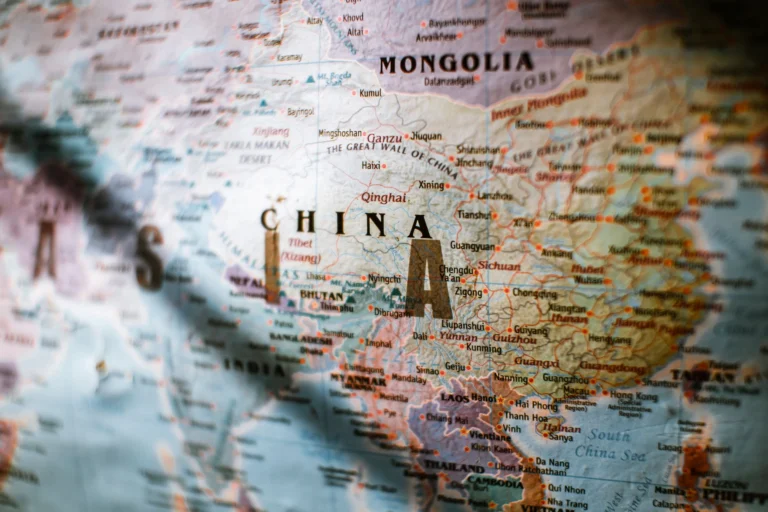
- August 31: Roughly 3,000 people remained missing four days after catastrophic flash flooding hit the Nepal-China border region, after a glacier collapse near Langtang Lirung triggered an avalanche and landslide — at least 517 missing in Nepal, 260 in China. Icelandic voters rejected reopening EU membership talks 52.8% to 47.2%, in a referendum held under the shadow of Trump’s repeated threats to annex Greenland.
- August 7: Saudi Arabia, Turkey and Pakistan signed the Mecca Joint Defence Agreement, a mutual-defense pact stating that an attack on any one party constitutes an attack on all three — the first institutional arrangement of its kind in the region, building on an earlier bilateral Saudi-Pakistan defense agreement from September 2025. The three countries combine roughly 1.4 million active military personnel and a combined defence budget of about $124.4 billion. All three governments describe the pact as purely defensive and open to other nations.
- August 7: The US Senate passed a sweeping Russia sanctions bill, the Sanctioning Russia and Iran Act of 2026, on an 86-11 bipartisan vote. The bill authorizes tariffs of up to 100% on major buyers of Russian oil and gas — including China and India — alongside sanctions targeting Russian energy revenue, financial institutions and its “shadow fleet” of tankers used to evade existing restrictions.
How to actually use a page like this
A few honest notes on how we approach this:
- We favor confirmed reporting from established outlets over single-source claims or unverified social media reports, particularly for developing stories like the Nepal-China floods where casualty and missing-persons figures are still changing.
- We’re not trying to cover every diplomatic statement or minor development. This page focuses on stories that genuinely shift a regional or global picture — major disasters, elections, treaties and sanctions — not every day’s full news cycle.
- “Updated regularly” means exactly that. There’s no fixed schedule dressed up as a promise we can’t keep. When something changes the picture, we add it here. Check the “Last updated” line at the top rather than assuming a fixed daily cadence.
More live briefings
We run this same “keep it current, same URL” approach across other beats: Sports News Today, F1 2026 News Today, Breaking News Today, Car News Today, Health News Today, Crime News Today, AI Technology News Today.
If your company or product is mentioned in this article, you're welcome to share it.