Scuba diving has spent decades as the default answer to “what’s the ultimate adventure activity,” and it’s worth pushing back on that a little. Not because diving is bad — it isn’t — but because it’s specifically overrated as the adrenaline, feel-alive experience it gets marketed as. Here’s the honest case against it, and nine activities that actually deliver that rush faster, cheaper, and with a lot less gear standing between you and the moment.
Why scuba diving is overrated
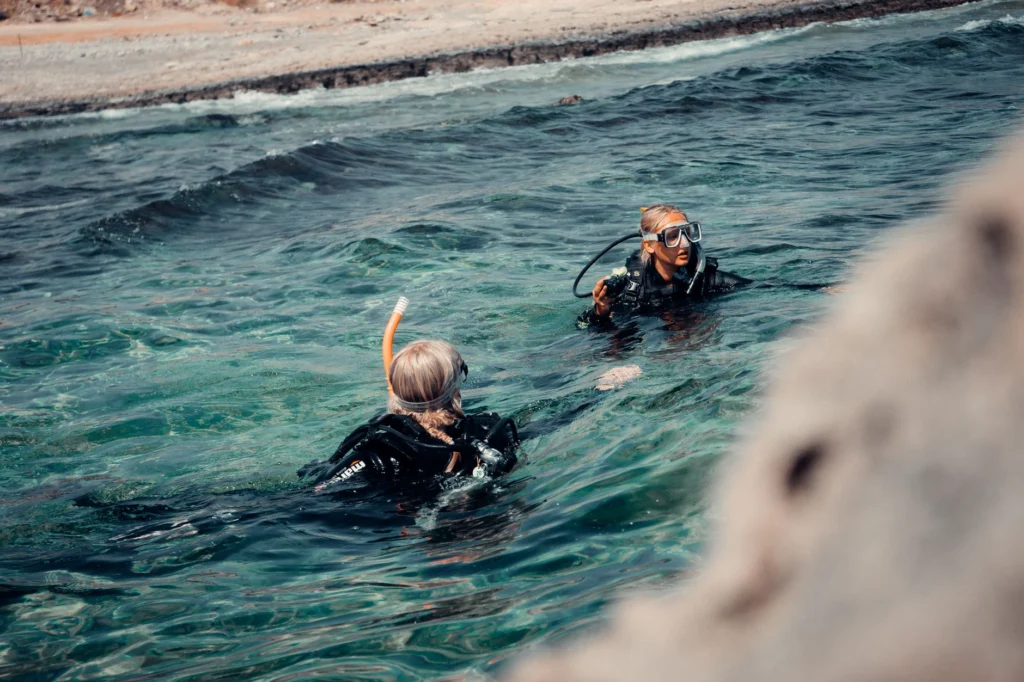
Start with the barrier to entry, because it’s real and it’s steep. A proper open-water certification — PADI, SSI, or NAUI — typically runs $300 to $600, and it isn’t a quick weekend thing: expect 16 to 20-plus hours with an instructor, including 12 to 15 hours of online coursework before you even get in open water, spread across roughly four full days. Anything advertised for $99 or $199 usually isn’t a real certification — it’s a half-day taster experience, and courses priced that low often skip the actual training and gear entirely. The dive industry itself has a well-documented pattern of selling cheap certification courses as loss leaders specifically to get people into the shop, with the real money made afterward on overpriced gear.
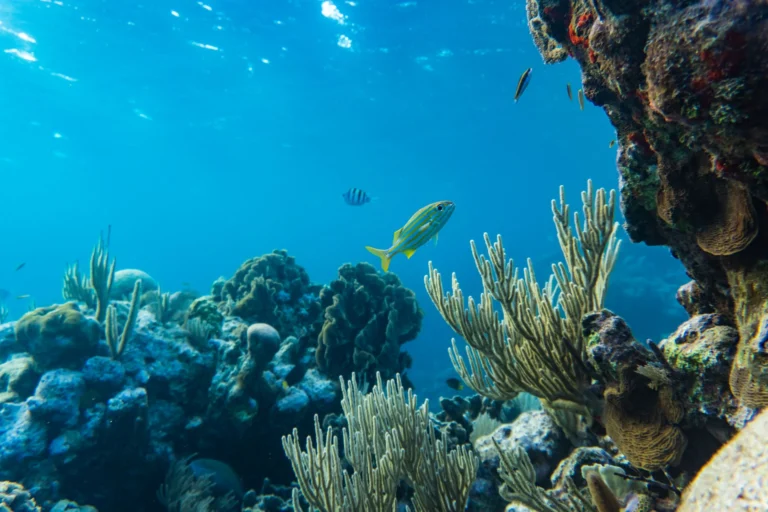
Then there’s what the experience actually delivers once you’ve cleared all that. Diving is slow, methodical, and heavily regulated by necessity — you’re managing air, buoyancy, depth, and dive time constantly, which is exactly what makes it safe, but it’s also exactly why it doesn’t feel like an adrenaline sport. Visibility varies wildly and is out of your control; a lot of real-world dives are murkier, colder, and less visually rewarding than the brochure photography suggests. None of that makes scuba diving a bad hobby — it’s a genuinely rewarding, technical skill for people who want it. It just means the “ultimate thrill” framing doesn’t match the actual, considered, gear-heavy experience most divers are describing. If what you actually want is to feel alive right now, there are cheaper, faster, more immediate ways to get there.
9 adventure activities that deliver more, faster
1. Cliff jumping
Nothing else on this list gets you from “standing still” to “genuinely alive” faster — it’s just you, gravity, and a few seconds of complete commitment. It’s also the one activity here where the real safety data actually matters, so it’s worth stating plainly: at 25 feet, you hit the water at roughly 27 mph; at 40 feet, that’s closer to 35 mph — forces genuinely capable of causing spinal compression, fractures, or a collapsed lung on a bad entry, even into deep water. Most outdoor-safety professionals treat 25 feet as the practical upper limit for recreational jumping, with many setting the real comfort threshold at 15-20 feet. Jump with a guide or locals who know the specific spot, into an already-active scene rather than a launch point you’ve found yourself, and use the pencil-dive technique — feet first, arms at your sides, legs together and pointed straight down. Done with that respect for the numbers, it’s one of the purest, most immediate adrenaline hits there is.
2. Whitewater rafting
A genuinely different kind of rush from cliff jumping — sustained instead of instant, and shared instead of solo. Rafting rewards teamwork as much as nerve: reading the rapids together, paddling in sync, and riding out a section of genuinely violent water as a crew rather than an individual. The Soča River in Slovenia and countless river systems worldwide offer real, guided runs suited to first-timers and experienced paddlers alike, with the added bonus of moving through genuinely beautiful terrain you’d never see any other way.
3. Paragliding
The rare adventure activity that’s simultaneously terrifying and peaceful, often within the same ten minutes. Once you’re up and riding a thermal, paragliding trades the initial adrenaline spike for something closer to pure, quiet exhilaration — genuinely airborne, under a canopy, with nothing mechanical between you and the view. Beatenberg in Switzerland and Kanin in Slovenia are both real, established launch points for exactly this experience.
4. Canyoning
Canyoning throws several adventure sports into one afternoon — rappelling down waterfalls, sliding through natural rock chutes, and swimming through cold mountain water, usually with a professional guide team managing the technical ropework so you can focus on just being present in it. Saxeten and Grimsel in Switzerland and the Bovec area of Slovenia are real, well-established canyoning destinations built specifically around this combination.
5. Via ferrata
For anyone who wants genuine exposure and height without needing to be a technical climber, via ferrata is the answer — a protected climbing route with fixed steel cables, ladders, and rungs bolted into the rock, letting you scale genuinely serious terrain while clipped in for safety the entire way. The Mürren route in Switzerland, with its exposed traverse and open valley views, is a well-known example of exactly how dramatic this can get while still being accessible to a reasonably fit beginner.
6. Skydiving
The single most concentrated dose of adrenaline on this list — a genuine full-body jolt in the seconds after leaving the plane, followed by a total shift into something closer to stillness once the canopy opens. It’s also one of the fastest activities here to actually get into: a tandem jump requires no certification and no prior experience, just a single afternoon and a qualified instructor strapped to your back.
7. Bungee jumping
Where cliff jumping is about committing to open air with your own body, bungee jumping is about committing to open air and then trusting a cord to do exactly what it’s engineered to do. The specific, singular thrill here is the free-fall itself — genuinely uninterrupted, with nothing to actively do except experience it, which is precisely why it remains one of the most iconic adrenaline activities in the world decades after it went mainstream.
8. Coasteering
Coasteering takes cliff jumping’s core thrill and builds an entire route around it — scrambling along a rocky coastline, swimming through sea caves, and jumping into the ocean at multiple points along the way, usually with a guide who knows exactly which ledges are safe to launch from and which aren’t. It’s a genuinely full adventure rather than a single moment, and it rewards the same respect for water depth and local knowledge that responsible cliff jumping does.
9. Zip-lining
The most accessible entry on this list, and worth including precisely because of that — zip-lining delivers a real, sustained rush of speed and height with essentially no experience required and minimal physical risk compared to almost everything else here. It’s a genuine gateway into this whole category: the adventure activity you take a nervous first-timer to, right before you talk them into trying canyoning or via ferrata next.
The actual takeaway
Scuba diving isn’t wrong as a hobby — it’s wrong as the default answer to “how do I feel alive.” The activities that actually deliver that feeling tend to be faster to access, cheaper to try, and more immediate in what they give back, precisely because they’re built around a single, concentrated moment of commitment rather than a slow, gear-managed descent. Respect the real numbers where they matter — cliff jumping and coasteering especially — and the rest is exactly what it promises: less time spent preparing, more time spent actually feeling it.