What Whiskey Jack Actually Means
Whiskey Jack is not a brand, a protected whiskey category, or a formal style. It is a nickname that shows up in two unrelated places: as a common name for the gray jay, and as an informal phrase among whiskey drinkers. In whiskey contexts it usually suggests a sturdy, unpretentious pour rather than a specific mash bill or age statement. That ambiguity is part of its appeal, but it also means drinkers should not expect a bottle labeled Whiskey Jack to follow a fixed set of rules.
The Bird Behind the Name
The gray jay (Perisoreus canadensis) is also called the Canada jay, camp robber, and whiskey jack. It lives in boreal forests across North America and is known for bold, curious behavior around camps and cabins. The nickname is generally traced to Wisakedjak, a trickster figure in Algonquian stories; the English form Whiskey Jack is a later reshaping. This is the most concrete and widely documented use of the phrase, and it explains why Whiskey Jack can appear in nature writing, camping lore, and northern folklore as well as in barroom conversation.
How the Phrase Works in Whiskey Talk
Among whiskey drinkers, Whiskey Jack is looser. It is not used on labels as a regulated term, and it does not tell you whether the spirit is bourbon, rye, Scotch, or Irish whiskey. When someone calls a pour a Whiskey Jack, they usually mean a whiskey with a clear, robust character: enough sweetness or grain flavor to feel familiar, enough oak or spice to keep it interesting, and no fussy presentation. It is closer to a compliment than a classification.
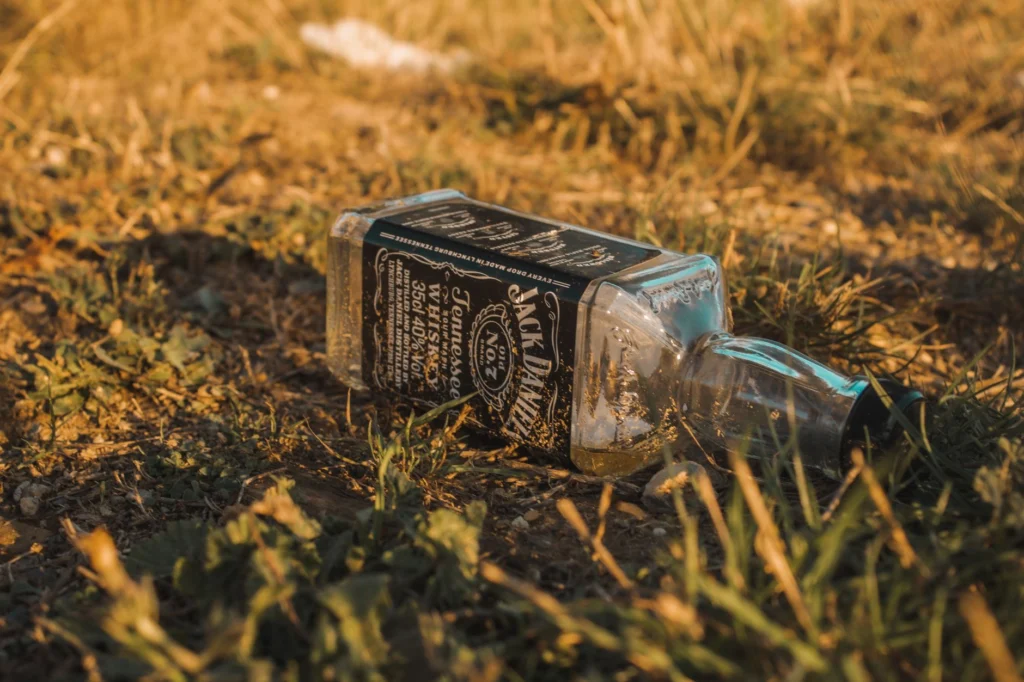
That makes it different from terms such as straight bourbon, single malt, or bottled in bond, which have legal definitions. A drinker looking for a Whiskey Jack should focus on flavor and production details rather than the nickname. A high-rye bourbon, a Tennessee whiskey, or a lightly peated Scotch can all fit the mood depending on the person and the occasion.
What to Look For
Because there is no official Whiskey Jack style, the useful approach is to identify the qualities the phrase implies. Look for a whiskey that is:
- Flavor-forward: corn sweetness in bourbon, rye spice in rye, or smoke and malt in Scotch.
- Traditionally made: oak aging, a stated mash bill, and a named distillery are better guides than a nickname.
- Flexible: good neat, with a splash of water, or in a simple cocktail such as an Old Fashioned or highball.
- Honest about its origin: a clear age statement or production note tells you more than a rustic-sounding name.
Why the Name Persists
The phrase lasts because it carries a mood without making a promise it cannot keep. It suggests campfires, cold weather, and a drink poured without ceremony. It also has the advantage of sounding older than it may be, which is why it turns up in song lyrics, cabin names, and bar talk. But the romance should not be confused with a guarantee of quality. A bottle called Whiskey Jack is not automatically better than one called Small Batch or Reserve.
For drinkers, the practical takeaway is simple: treat Whiskey Jack as a piece of vernacular, not a buying standard. Ask what is in the glass. Check the grain, the region, the age, and the producer. Then decide whether the whiskey earns the name.
A Name With Two Lives
Whiskey Jack is more interesting because it does not belong to one world. In the boreal forest it is a bird with a trickster’s name. In a bar it is a casual shorthand for a whiskey with backbone. Both uses depend on story and association rather than strict definition. That is also why the phrase has lasted: it leaves room for the drinker, the camper, and the storyteller to fill in the details.
If your company or product is mentioned in this article, you're welcome to share it.