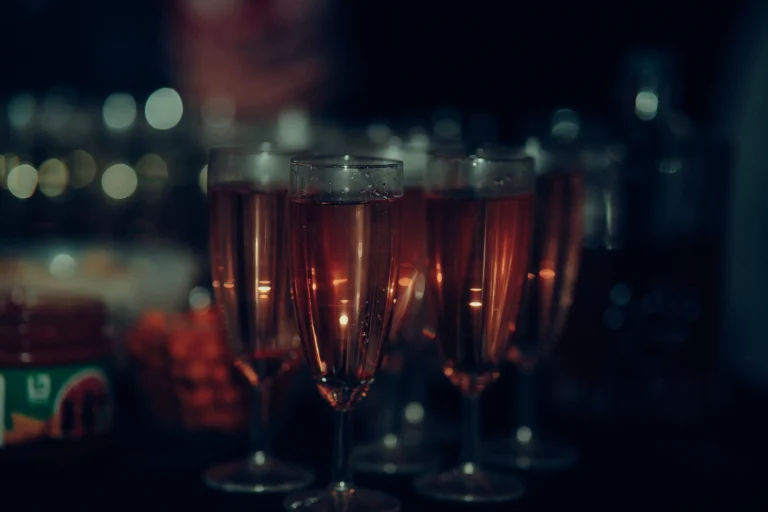
What a large bowl actually does
A standard wine glass holds 8 to 12 ounces. The glasses usually called very big hold 20 to 24 ounces or more. The useful part is not the total capacity but the bowl’s width and the headspace above the wine. Pour 3 to 5 ounces into a large glass and you get a wide surface for oxygen contact and enough empty space to swirl without sloshing. That matters because swirling increases the release of volatile aroma compounds. A large glass does not replace decanting, but it can make a young Cabernet or Syrah smell more open and taste less tight.
Where the benefit is real
For full-bodied reds with firm tannins, a large bowl gives the wine room to move. The extra oxygen exposure softens the first impression of tannin and pushes aromas of cassis, blackberry, pepper, or cedar forward. It also keeps the wine away from the rim, so your nose goes into the bowl rather than hovering over a narrow opening. That is why sommeliers often use oversized glasses for Bordeaux blends, Syrah, and other structured reds.
Where a large glass can hurt
Bigger is not automatically better. Delicate whites such as Riesling, Grüner Veltliner, and lighter Pinot Noir can lose focus in a huge bowl. Their aromas may spread out and become harder to read, and the wine can warm too quickly because there is more surface area and more headspace. A large glass also encourages a larger pour, which makes it easy to serve more than intended. Use a large glass for wines that need air, not for every wine on the table.
Practical objections
Large glasses are more fragile, harder to store, and usually too tall for a dishwasher. Hand-wash them with a soft sponge and mild detergent, rinse with warm water, and dry with a lint-free cloth. Store them upright if possible, or in a rack with enough clearance. If you are buying a set, check the height against your cabinet before you commit.
The verdict
A very big wine glass is not a gimmick, but it is also not a universal upgrade. It is a tool with a specific job: giving structured, aromatic wines room to breathe and room to swirl. If you drink full-bodied reds or rich whites such as Chardonnay, one or two large glasses are worth owning. If you mostly drink delicate whites or light reds, a standard glass will often serve the wine better.
| Feature | Standard glass | Very big glass |
|---|---|---|
| Capacity | 8 to 12 ounces | 20 ounces or more |
| Pour | 3 to 4 ounces | 3 to 5 ounces, to widest point |
| Aeration | Less surface area | More surface area and headspace |
| Swirling | Easy to spill if vigorous | Room to swirl |
| Best for | Delicate whites, light reds, everyday pours | Full-bodied reds, rich whites, aromatic wines |
| Care | Often dishwasher safe | Hand-wash recommended |
FAQ
Are very big wine glasses only for red wine?
No. They work for full-bodied reds and for rich whites such as Chardonnay or Viognier. They are usually a poor fit for delicate, aromatic whites.
How much should I pour?
Pour to the widest part of the bowl, usually 3 to 5 ounces. That leaves room to swirl without filling the glass.
Can I put them in the dishwasher?
Hand-washing is safer. High heat and harsh detergent can cloud the glass or increase the risk of breakage.
If your company or product is mentioned in this article, you're welcome to share it.