

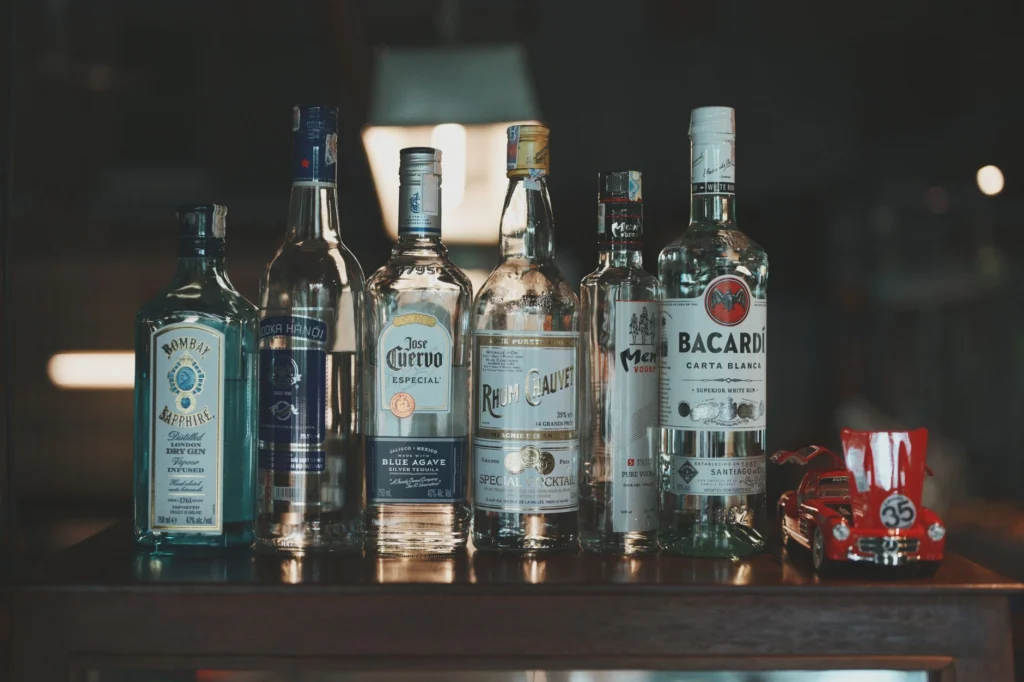
Australia Vodka Brands: Separating Fact from Fiction in the Land Down Under
Australia is better known for beer and wine, but its vodka distilleries have been quietly building a serious reputation. The category is small compared with gin and whisky, yet Australian producers are making vodkas with local grain, sugar cane, and native botanicals. The result is not a single Australian style but a range of spirits shaped by base ingredient, still type, and filtration choices.
Myth 1: Vodka isn’t an Australian spirit
Vodka has no long historical tie to Australia in the way rum has to the Caribbean or aquavit has to Scandinavia. That does not make it foreign to Australian distilling. Craft distilleries have added vodka to their ranges because it can be made from local agricultural inputs and sold without years of barrel ageing. Australian wheat, barley, and sugar cane are all used as base materials, and some producers use native botanicals for flavoured expressions. The category is newer than Australian wine, but it is not a novelty.
Myth 2: Australian vodka tastes like every other vodka
Vodka can be neutral, but it is not automatically tasteless. Base ingredient and distillation matter. Wheat and barley can give a rounder, creamier texture. Sugar cane can leave a lighter, slightly sweet impression. Botanicals can push a vodka toward citrus, floral, or spice notes. Australian producers work with those variables, so two local vodkas can taste very different even when both are unflavoured.
Myth 3: Australian vodka is a short-lived trend
The Australian craft spirits boom is real, but it is not guaranteed to last for every brand. Distilleries face high excise, competition from imported vodka, and the cost of building a national sales network. The brands that stay will need consistent quality and a clear reason to exist. Sustainability and local sourcing help, but they are not enough on their own. The better measure is whether a distillery can make a vodka worth buying more than once.
What is driving Australian vodka
Several practical factors explain the growth:
- Local raw materials: Wheat, barley, and sugar cane are available in Australia, and distilleries can build a story around regional agriculture.
- Flexible production: Vodka can be distilled and bottled without long ageing, which lets small distilleries generate cash flow while gin or whisky matures.
- Craft distilling skills: The same stills and technical staff used for gin and whisky can be used for vodka, so vodka often sits alongside those products rather than standing alone.
- Flavour experimentation: Native botanicals and local citrus give producers a way to make flavoured vodka that does not rely only on imported recipes.
Australian vodka brands to know
These are established names worth checking, though ranges and availability change:
- Hippocampus Vodka: A small-batch Australian vodka made with local ingredients. It is a useful benchmark for the clean, grain-based style.
- Four Pillars: Best known for gin, so treat any vodka release as a limited or occasional product rather than a core bottling. Check current availability before buying.
- Manly Spirits Co.: A Sydney distillery with a coastal identity. Its vodka is designed to be smooth and mixable, with a clean finish.
- Archie Rose Distilling Co.: A Sydney distillery known for technical precision and a wide spirits range. Its vodka is a good example of the modern Australian craft approach.
What Australian vodka tastes like
There is no fixed tasting note for the category. Expect variation:
- Citrus: Common in flavoured vodkas made with Australian citrus, and sometimes present as a bright edge in unflavoured spirit.
- Floral: Native botanicals can add perfume-like aromas, especially in flavoured releases.
- Spice: Some producers use pepper or warm spice botanicals for complexity.
- Creamy: Wheat and barley bases often give a softer mouthfeel than sugar cane or potato.
How to drink Australian vodka
Serve it according to style. A clean unflavoured vodka can be sipped neat at room temperature or over ice. A flavoured vodka may work better with soda or tonic so the botanicals are not buried. In cocktails, Australian vodka works in a martini, a vodka soda, or a white negroni variation, but it is not a substitute for a strongly flavoured spirit. Use it where you want a clean base.
Food pairings that work
Vodka’s neutral profile makes it flexible, but pairing still depends on the bottle:
- Seafood: Oysters, sushi, and grilled fish suit clean, dry vodka.
- Cured meat: Prosciutto and salami work with higher-strength vodka because the spirit cuts through fat.
- Cheese: Creamy brie and sharp cheddar both work, though flavoured vodka can clash with strong cheese.
- Dessert: A vodka with citrus or floral notes can work with fruit tarts; a creamy wheat vodka can handle chocolate.
The future of Australian vodka
The next stage will likely be less about new brands and more about quality control. Australian distilleries need to prove they can make vodka consistently, sell it outside their home state, and justify premium prices against established imports. Local ingredients and native botanicals will remain useful points of difference, but they only matter if the spirit in the bottle is clean and well made.
| Feature | Australian vodka | Traditional vodka |
|---|---|---|
| Base ingredients | Local grains, sugar cane, and native botanicals | Often wheat, rye, barley, or potato |
| Flavour profile | Can range from neutral to citrus, floral, spice, or creamy | Often neutral, with subtle base-ingredient differences |
| Production approach | Small-batch craft distilling alongside gin and whisky | Large-scale and traditional methods, plus craft producers |
| Sustainability | Increasingly used as a selling point, but claims vary by producer | Varies by brand and region |
| Overall character | Diverse and still developing | Established and style-driven |
Conclusion
Australian vodka is neither a myth nor a guaranteed revolution. It is a young category with real craft producers, local ingredients, and a growing range of styles. The best way to judge it is to taste a few bottles side by side and compare base ingredients, texture, and finish. If you want a clean local spirit for mixing, start with an unflavoured wheat or barley vodka. If you want something more distinctive, look for a producer using native botanicals.
FAQ
What makes Australian vodka different?
Australian vodka is not defined by one rule. Producers use local grains, sugar cane, and native botanicals, and many are small-batch distilleries. The differences show up in texture, aroma, and finish rather than in a single national style.
Is Australian vodka expensive?
Prices vary. Small-batch Australian vodka often costs more than mass-market imported vodka because production runs are smaller and distribution costs are higher. Premium pricing is only justified if the spirit is clean and consistent.
Where can I buy Australian vodka?
Look at specialist liquor retailers, distillery door sales, and reputable online spirits shops. Check the producer’s own site for current releases, since small distilleries often change their ranges.
If your company or product is mentioned in this article, you're welcome to share it.


