Introduction: Navigating the Rosé Route Responsibly
Aix-en-Provence is the center of a serious wine region, not just a postcard. The local appellation, Coteaux d’Aix-en-Provence, produces mostly rosé, with red and white wines as well. The common errors below are easy to avoid once you know what to look for. The goal is not to turn a tasting trip into an exam. It is to help you spend your time and money on bottles that show what the region does well.
Mistake #1: Judging All Rosé by Its Color
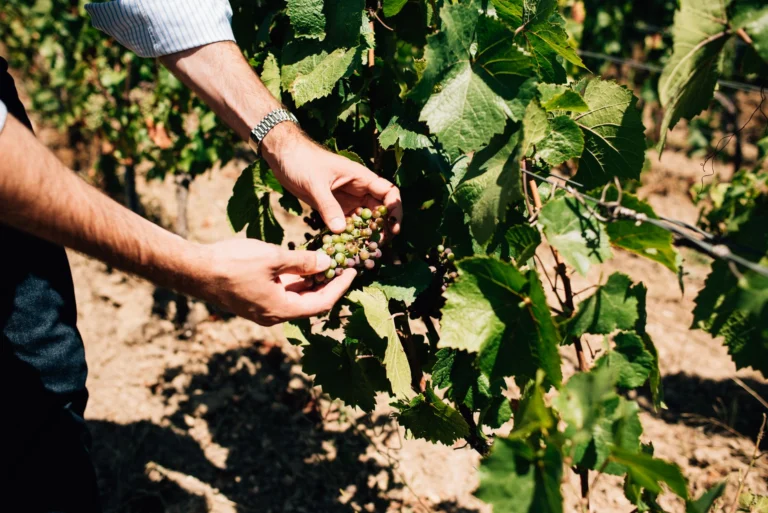
Pale salmon is a common color for Provençal rosé, but it is not a quality grade. Color depends on grape varieties, skin contact time during maceration, and winemaking choices. A deeper pink rosé can be dry and serious; a very pale one can be simple. In Coteaux d’Aix-en-Provence, Grenache, Syrah, Cinsault, and Mourvèdre are the main grapes, and their proportions change the wine’s color and flavor.
The Fix: Taste before you judge. Look for red fruit, citrus, floral notes, and a dry finish. Ask which grapes are in the blend and how long the juice stayed with the skins. Those answers tell you more than the shade of pink.
Mistake #2: Sticking to the Big Names Only
Well-known producers can be reliable, but the region has many small estates and cooperatives that make distinctive wines. Some work with organic or sustainable farming, and some use older vines or specific parcels. Limiting yourself to famous labels cuts off much of the range in Coteaux d’Aix-en-Provence and nearby Palette, a small appellation just east of Aix.
The Fix: Ask locals where they buy wine. Visit a cooperative tasting room, then compare it with a smaller estate. Most wineries offer tastings, and a mixed case from several producers will teach you more than one famous bottle.
Mistake #3: Serving Rosé Too Cold or Too Warm
Serve rosé too cold and the aromas shut down. Serve it too warm and the wine can feel loose and alcoholic. The target range is about 50-55°F (10-13°C). That is cooler than a typical room but warmer than most refrigerators.
The Fix: Pull the bottle from the fridge 15 to 20 minutes before serving, or chill a room-temperature bottle in an ice bucket for about 30 minutes. A cool glass, not an icy one, lets the fruit and acidity show.
Mistake #4: Treating Rosé as a Lightweight Pairing Only
Rosé works as an aperitif, but it can also handle food. Lighter bottles suit grilled fish, shellfish, and salads with vinaigrette. Fuller-bodied rosés from riper vintages or higher Syrah shares can stand up to grilled chicken, pork, and mildly spicy dishes.
The Fix: Match the wine to the weight of the dish. If the food is rich, choose a rosé with more body and texture. If the food is delicate, choose a crisp, pale wine. Taste and adjust rather than following a fixed rule.
Mistake #5: Ignoring Terroir
Coteaux d’Aix-en-Provence is shaped by a Mediterranean climate, limestone and clay soils, and the Mistral. The wind dries the vineyards after rain and reduces mold pressure. The soils affect drainage and water stress, which in turn affect the grapes. These factors are not decoration; they help explain why the wines taste the way they do.
The Fix: When you taste, ask about the site. A wine from stony limestone may show more tension and minerality; one from heavier clay may feel broader. You do not need to memorize geology, but paying attention to place makes the tasting more useful.
Mistake #6: Drinking Rosé Only in Summer
Rosé is refreshing in hot weather, but it does not stop working in winter. Its acidity can cut through creamy soups, roasted poultry, and richer stews. The wine’s weight matters more than the season.
The Fix: Keep a few bottles for cold-weather meals. Try a fuller rosé with roast chicken or a lighter one with a winter salad. The pairing test is simple: if the wine feels too thin or too heavy, adjust the dish or the bottle.
Mistake #7: Assuming Every Vintage Is the Same
Weather during the growing season changes the grapes. Heat, rain, and the timing of the Mistral can shift ripeness and acidity. A producer you liked in one year may make a different wine in the next. That is normal in Aix-en-Provence, as in other wine regions.
The Fix: Check vintage notes from a reliable wine shop or the producer. Ask whether the year was warm or cool and how that affected the style. Even less celebrated vintages can offer good drinking if you know what to expect.
Mistake #8: Storing Rosé Like Red Wine
Most rosé is made to be drunk young. It does not need years in a cellar, and poor storage can flatten its aromas. Heat, light, and temperature swings are the main enemies.
The Fix: Store bottles in a cool, dark place with steady temperature. Drink most rosé within a year or two of the vintage. After opening, reseal the bottle and keep it in the refrigerator for up to three days.
| Mistake | The Fix |
|---|---|
| Judging rosé by color | Taste for aroma, flavor, and dry finish. |
| Sticking to big names | Try small estates and cooperatives. |
| Serving at the wrong temperature | Serve at about 50-55°F (10-13°C). |
| Pairing only with light food | Match the wine’s body to the dish. |
| Ignoring terroir | Ask about soils, climate, and site. |
| Drinking only in summer | Use rosé with winter dishes too. |
| Assuming vintages are equal | Check vintage reports and producer notes. |
| Storing rosé like red wine | Keep it cool, dark, and drink it young. |
Conclusion: Raise a Glass to Informed Enjoyment
Aix-en-Provence rewards a little attention. Taste beyond color, ask about grapes and site, serve the wine at the right temperature, and do not save rosé for one season. Those habits will improve your hit rate and make the region’s wines easier to understand.
FAQ Section
Q1: What are the primary grape varietals used in Aix-en-Provence rosé?
A1: The main grapes are Grenache, Syrah, Cinsault, and Mourvèdre. They give the wines red fruit, citrus, and floral notes, with color and body depending on the blend and winemaking.
Q2: How does the Mistral wind influence the quality of Aix-en-Provence wine?
A2: The Mistral helps dry the vineyards after rain and reduces mold and mildew pressure. That supports healthier grapes and more consistent ripening.
Q3: Can Aix-en-Provence rosé age, or is it best consumed young?
A3: Most Coteaux d’Aix-en-Provence rosé is best within a year or two of the vintage. Some exceptional bottles can age for a few years, but fresh fruit and acidity are the usual goals.
If your company or product is mentioned in this article, you're welcome to share it.