Screaming Eagle Wine: Napa Valley’s Most Coveted Cabernet
Screaming Eagle is a small Oakville winery whose Cabernet Sauvignon has become one of Napa Valley’s hardest wines to buy. The estate sits on a 57-acre property in the Oakville AVA, and its flagship red is produced in tiny quantities, typically around 500 to 800 cases a year. That combination of critical acclaim, scarce supply, and long waiting lists turned Screaming Eagle into a cult wine and a fixture of the secondary market.
How Screaming Eagle Began
Jean Phillips founded Screaming Eagle after buying the Oakville property in 1986. The vineyard was planted to Cabernet Sauvignon, Merlot, and Cabernet Franc, and the first Screaming Eagle vintage was released in 1992. Heidi Peterson Barrett made the early wines, and Robert M. Parker Jr. gave the 1992 vintage 99 points. The review brought sudden attention to a wine that had been produced in very small volume. In 2006, Charles Banks acquired a majority stake in the estate, and Stan Kroenke later became sole owner. The winery has changed hands, but the model has remained consistent: low production, strict selection, and a mailing-list release.
Oakville Terroir
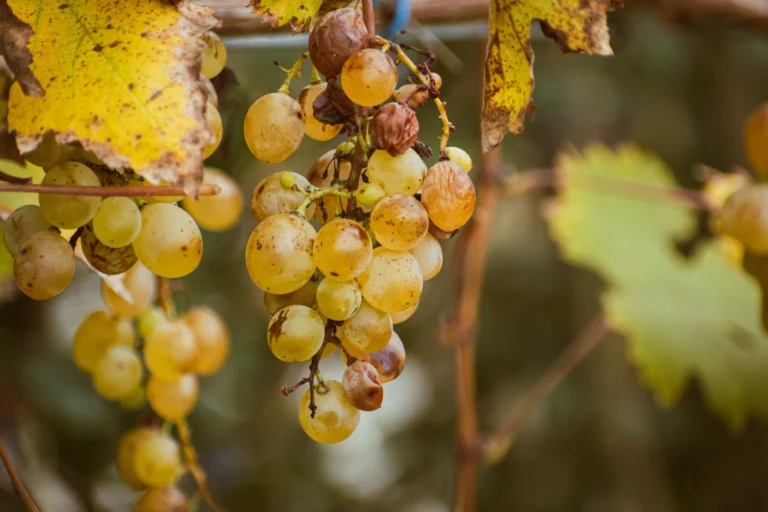
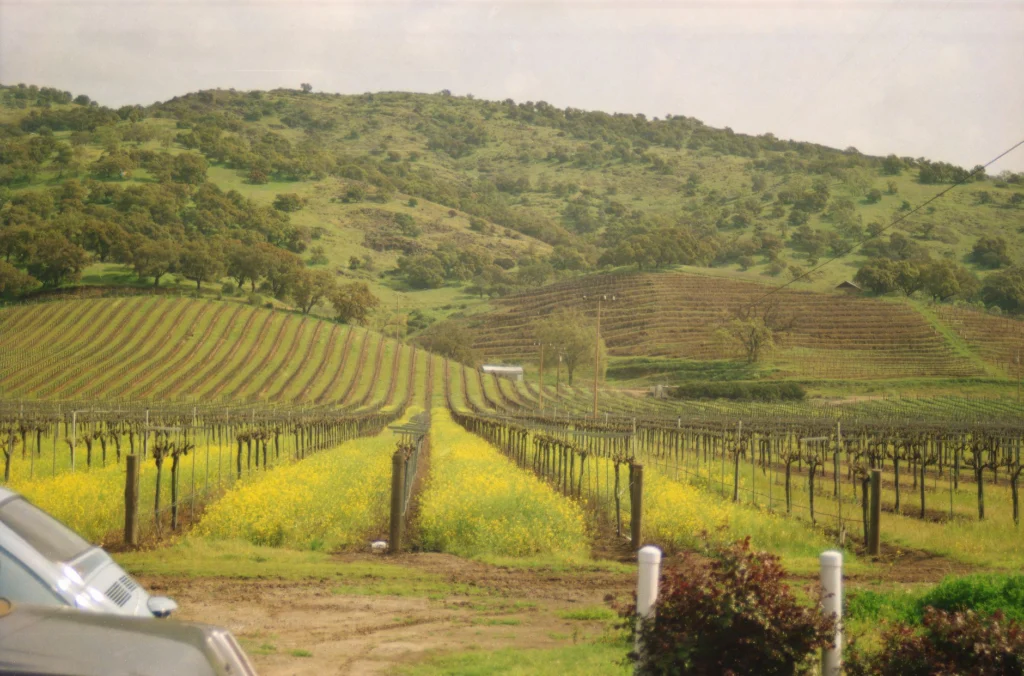
The vineyard’s location in Oakville matters. The site has well-drained gravelly loam soils, which limit vine vigor and concentrate fruit. Warm days give the grapes ripeness, while cool nights preserve acidity and aromatic detail. The estate uses Bordeaux varieties, with Cabernet Sauvignon dominant and smaller amounts of Merlot and Cabernet Franc adding nuance to the blend.
Winemaking Approach
Screaming Eagle’s winemaking is built around selection rather than volume. Fruit is harvested by parcel and only the healthiest, ripest clusters are used. Fermentation takes place in small lots, often with native yeasts. The flagship wine is aged in 100% new French oak for about 20 to 22 months, which adds structure and spice while softening tannin. The winery avoids heavy fining and filtration to preserve texture. Not every lot makes the flagship Cabernet, and the barrels that do not are directed to Second Flight.
The Wines
Screaming Eagle Cabernet Sauvignon
The flagship is a Cabernet Sauvignon-dominated blend with small additions of Merlot and Cabernet Franc. In youth it shows blackcurrant, blackberry, plum, graphite, violet, cedar, and mocha notes. It is full-bodied with firm but polished tannins and a long finish. Well-stored bottles can age for decades, developing tobacco, leather, and forest-floor notes.
Screaming Eagle Second Flight
Second Flight is made from lots that do not go into the flagship. It is typically Merlot-dominant and more approachable young, with cherry, plum, raspberry, chocolate, and spice notes. It remains a scarce wine, but it gives collectors a lower-priced entry into the estate.
Screaming Eagle Sauvignon Blanc
The Sauvignon Blanc is produced in even smaller quantities than the reds. It is known for grapefruit, lemon zest, passionfruit, and honeysuckle aromas, with high acidity and a saline, flinty mineral edge. Like the reds, it is sold through limited allocations.
Rarity and Market
Screaming Eagle’s mailing list is the main release channel, and the wait to join can last years. Allocations are small even for longtime customers. Auctions and high-end retailers are the other common routes, especially for older vintages. Prices are high because demand is global and supply is fixed. For buyers on the secondary market, provenance matters: storage history, label condition, and seller reputation should be checked before purchase.
Buying Screaming Eagle
- Mailing list: The most direct route, but entry is slow and allocations are limited.
- Auction: Useful for older vintages, though bidding is competitive.
- High-end retailers: A small number of specialist merchants carry rare bottles, usually at market price.
- Wine funds: Some investment vehicles include Screaming Eagle in diversified fine-wine portfolios.
Because Screaming Eagle is expensive and frequently counterfeited, buyers should verify provenance and avoid deals that look too good. The wine’s reputation rests on a simple formula: a specific Oakville site, strict grape selection, small production, and a long record of critical attention.
If your company or product is mentioned in this article, you're welcome to share it.