Why Red Wine Works in Stew
Red wine adds acidity, tannin, and fruit to a braise. It helps cut through the richness of beef, lamb, or pork, and its color deepens the sauce. The alcohol cooks off during a long simmer, leaving behind concentrated flavor. The wine should support the meat and vegetables, not dominate them.
Choosing the Wine
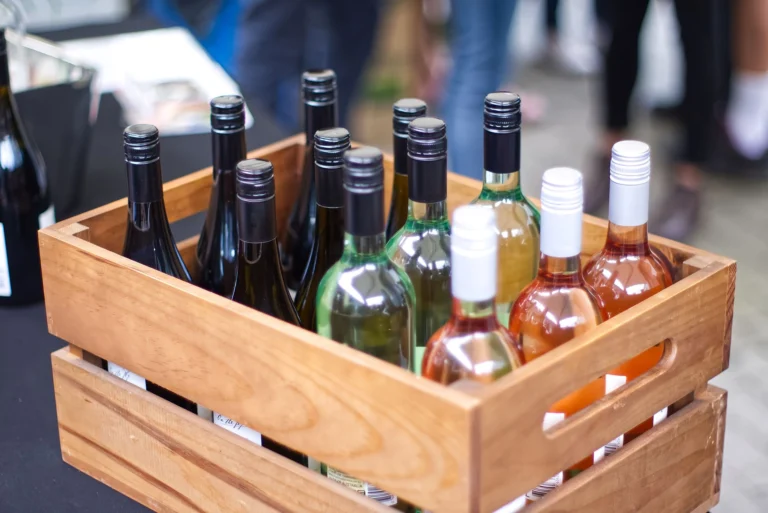
Use a dry red you would drink. Avoid heavily oaked or very tannic wines, which can turn bitter after reduction. For beef, lamb, and venison, start with medium-bodied wines.
- Merlot: soft tannins and plum fruit; forgiving in most beef stews.
- Cabernet Sauvignon: more structure and darker fruit; good for chuck or short rib.
- Pinot Noir: bright acidity and earthy notes; suits lighter stews and poultry.
- Sangiovese or Chianti: savory acidity; works with tomato-based stews.
- Grenache or Garnacha: fruity and slightly spicy; adds warmth to lamb or pork.
Fuller wines such as Syrah or Zinfandel can work with game or fatty cuts, but use them carefully. For chicken or pork, a lighter red such as Beaujolais or a dry rosé can add color and acidity without heavy tannin.
Tannin and Acidity
Tannin comes from grape skins, seeds, and stems. In a stew it counters fat and keeps a rich dish from tasting heavy. Acidity brightens the sauce and keeps the flavors from going flat. A wine with both, used in the right amount, gives the stew structure.
Building the Stew
Sear the Meat
Pat the meat dry, season it, and brown it in batches over medium-high heat. Crowding the pan steams the meat instead of browning it. The browned crust adds flavor through the Maillard reaction, and the fond left in the pot becomes part of the sauce.
Cook the Aromatics
Remove the meat and lower the heat. Cook diced onion, carrot, and celery in the rendered fat until softened. Add garlic near the end so it does not burn. These vegetables form the base and help thicken the stew as they break down.
Deglaze with Wine
Pour in the red wine and scrape up the browned bits with a wooden spoon. Let the wine bubble and reduce by about half. This cooks off harsh alcohol and concentrates the wine’s flavor before the broth goes in.
Add Liquid and Simmer
Return the meat to the pot. Add beef or vegetable broth, thyme, rosemary, bay leaf, and tomato paste if using. Bring to a bare simmer, cover, and cook on low. A lazy bubble is what you want, not a rolling boil. Depending on the cut, the stew may need 1.5 to 3 hours, or longer for tough cuts.
Finish and Thicken
Taste near the end and adjust salt, pepper, and acidity. If the sauce is thin, mash some cooked vegetables against the pot, stir in a cornstarch or flour slurry, or simmer uncovered. A small knob of butter at the end adds gloss and richness.
Classic Examples
Boeuf Bourguignon
This Burgundy beef stew uses beef chuck, red Burgundy such as Pinot Noir, bacon lardons, mushrooms, and pearl onions. The wine goes into the braise and often into the sauce, giving the dish its color and depth.
Irish Beef Stew
Traditional Irish stew may use only broth and potatoes, but a robust version adds red wine, root vegetables, and sometimes stout. With lamb or beef, it becomes a hearty, warming dish with more complexity than a simple broth-based stew.
Beef Cacciatore
Cacciatore means hunter-style. The Italian dish usually calls for chicken or rabbit, but beef works well with tomatoes, onions, peppers, mushrooms, herbs, and red wine. The wine tenderizes the meat and builds a savory sauce for pasta or polenta.
Variations
- Meat: lamb shoulder, pork shoulder, or duck legs can replace beef.
- Vegetables: turnips, rutabaga, sweet potatoes, kale, or Swiss chard can be added, with greens going in near the end.
- Seasoning: smoked paprika adds depth; fresh rosemary adds aroma.
Ingredients and Equipment
Good meat, fresh vegetables, and a broth you would eat on its own make a noticeable difference. Use a heavy-bottomed Dutch oven or a similar pot. It holds and distributes heat evenly, which keeps the stew at a steady simmer.
Aroma and the Finished Dish
The smell of wine, stock, and herbs reducing together is part of the appeal. Serve the stew with bread, potatoes, or polenta to catch the sauce. It often tastes better the next day, after the flavors have had time to settle.
Conclusion
Red wine stew depends on a few reliable steps: choose a drinkable dry red, brown the meat properly, deglaze the pot, and simmer gently. The wine should sharpen the flavor of the meat and vegetables, not mask them. With a heavy pot and enough time, a modest cut of meat can become a deep, glossy stew.
If your company or product is mentioned in this article, you're welcome to share it.