What Small Forest Wine Means
Small forest wine is not a formal appellation. It is a working description for wines made from vineyards that sit inside or directly beside small woodlands. The phrase points to a set of conditions: vines growing in soil built from years of leaf litter, a microclimate shaped by nearby trees, and a farming approach that treats the woodland as part of the vineyard ecosystem rather than an obstacle to clear.
Terroir in Forest-Adjacent Vineyards
Soil
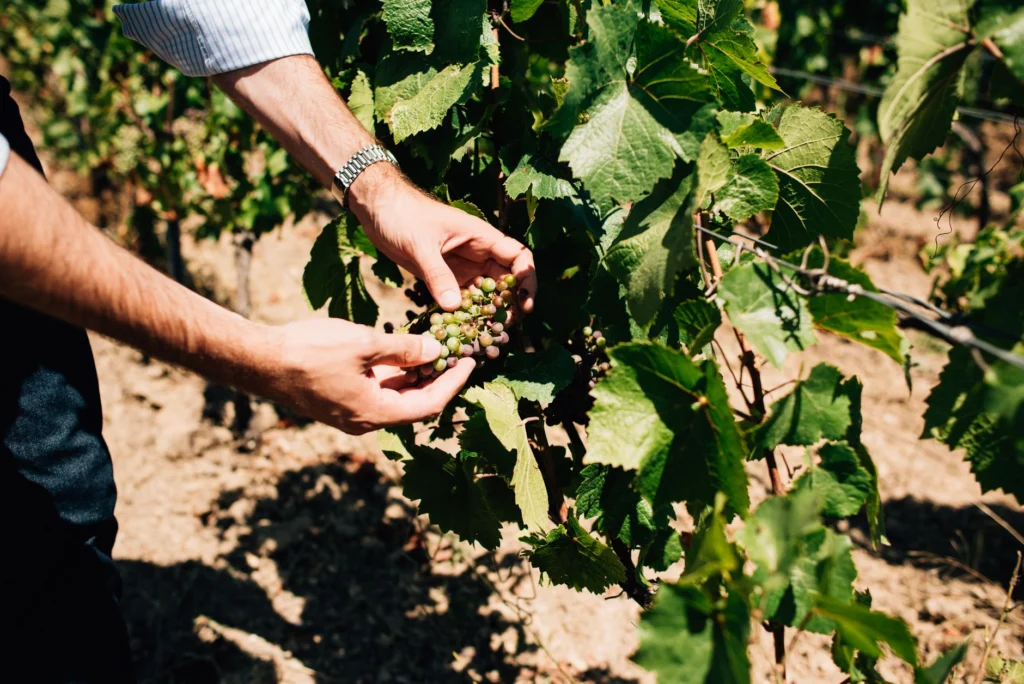
Forest soils tend to carry more organic matter than cleared vineyard ground. Decaying leaves, twigs, and undergrowth build a layer that improves structure, drainage, and aeration. For vines, that can mean deeper root growth and a slower, more even release of nutrients. The microbial life in these soils is often more diverse than in monoculture blocks, and that diversity can support vine health without relying on synthetic inputs. Grapes from such sites often show concentrated flavor and a mineral edge that reflects the soil’s organic and mineral makeup.
Microclimate
Trees regulate temperature and wind. A small forest can block desiccating winds, reduce sunburn on fruit during hot afternoons, and slow ripening so sugars, acids, and phenolics develop together. In cooler sites, the same trees can act as a windbreak that holds warmth and extends the growing season slightly. The effect depends on aspect, tree height, and species, but the principle is consistent: the woodland buffer changes how grapes ripen.
Aromatics
Forest air carries volatile organic compounds from trees, shrubs, and leaf litter. Whether those compounds end up in wine is still debated, but winemakers working with forest-adjacent sites often describe earthy, herbaceous, or resinous notes in the finished wine. Some of that comes from the grapes themselves; some may come from native yeasts and the broader vineyard microbiome. The result is not tree flavor. It is a more layered aromatic profile than a fully exposed vineyard typically gives.
Winemaking in Practice
Producers drawn to small forest sites usually farm with minimal intervention. That means organic or biodynamic certification in many cases, hand harvesting, native yeast fermentation, and little manipulation in the cellar. The goal is to keep the site’s character intact. Extended aging is common because these wines often need time to integrate. The winemaker’s job is to avoid masking the forest influence, not to manufacture it.
How to Find These Wines
Look for producers who describe the vineyard’s surroundings, not just the grape variety. Back labels and tech sheets that mention adjacent woodland, organic farming, or native yeast are useful signals. Tasting notes may include damp earth, pine, eucalyptus, or wild herbs. None of these guarantees a forest-adjacent site, but together they point to a style. Small importers and regional wine shops are often better sources than large retailers because they tend to carry producers with clear site stories.
Why It Matters
Small forest wine fits a broader shift toward provenance and biodiversity in agriculture. As more drinkers ask where a bottle comes from and how it was farmed, vineyards that preserve woodland edges and soil life become easier to value. These wines are not a marketing category yet, and that is part of their appeal. They reward attention to place over label language.
If your company or product is mentioned in this article, you're welcome to share it.