What Mead Is
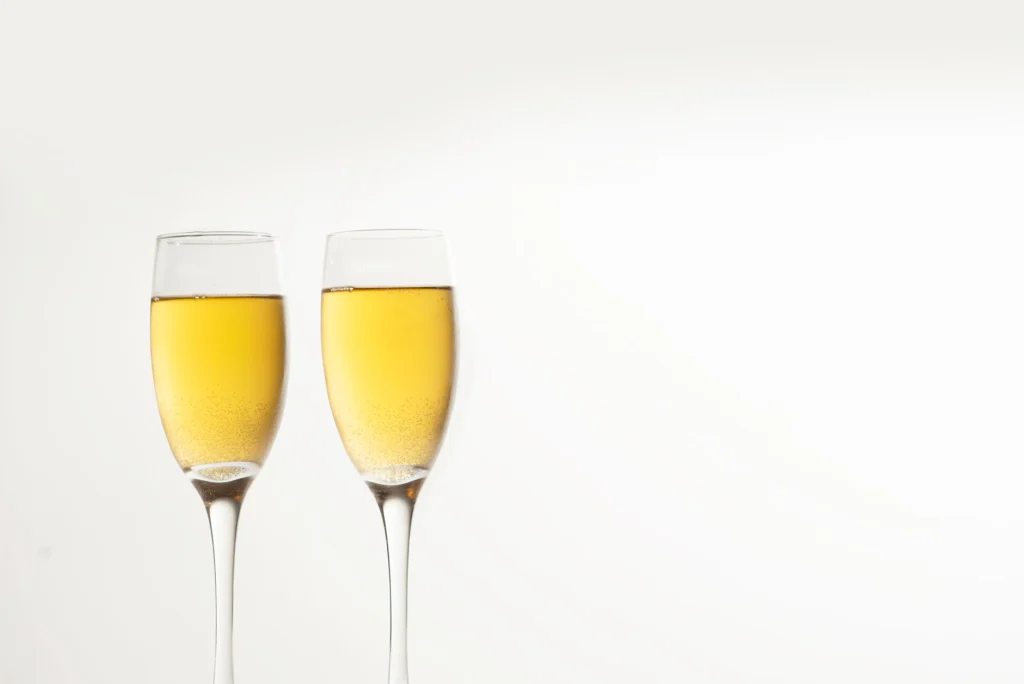
Mead is an alcoholic drink made by fermenting honey with water. Yeast consumes honey sugars and produces alcohol, carbon dioxide, and aroma compounds. The simplest mead contains honey, water, and yeast. The choice of honey matters: clover honey gives a mild floral profile, orange blossom is citrusy, buckwheat is dark and malty, and wildflower blends vary by season and location. Water quality affects fermentation, and yeast strain controls alcohol tolerance, fermentation speed, and ester production. Optional ingredients expand the range: fruit makes a melomel, spices make a metheglin, malted barley makes a braggot, and caramelized honey makes a bochet.
A Short History
Mead is old enough that its origins are difficult to pin down. Archaeological evidence points to fermented honey drinks in several ancient cultures, and mead appears in Norse, Celtic, Greek, and Roman myth. The Norse Mead of Poetry is one example: a legendary drink associated with wisdom and eloquence. In medieval Europe, mead was common where grapes were scarce, including monasteries and noble households. Its popularity fell as grape wine and beer became more consistent and easier to scale. In recent decades, homebrewers and small commercial meaderies have revived it.
Styles to Know
- Traditional mead: honey, water, and yeast only. It can be dry, semi-sweet, sweet, still, or sparkling.
- Melomel: fermented with fruit. Pyment uses grapes, cyser uses apples or cider, and perry uses pears.
- Metheglin: made with spices such as cinnamon, cloves, nutmeg, ginger, or cardamom.
- Braggot: fermented from honey and malted barley, often with hops.
- Bochet: made with caramelized honey, which gives toffee or burnt sugar notes.
- Hydromel: a lower-alcohol mead, often sessionable.
- Show mead: a traditional mead that highlights honey character with minimal or no additions.
Making Mead
Mead making follows the same broad steps as wine and beer. Honey is diluted with water to make must. Yeast nutrients are often added because honey lacks some nitrogen and minerals. Yeast is pitched, primary fermentation can run weeks to months, and the mead is racked off sediment. Aging can last months to years. Producers may stabilize with potassium sorbate and potassium metabisulfite before back-sweetening, then bottle.
Pairing Mead with Food
Pair by sweetness and body. Dry mead works with seafood, salads, goat cheese, or as an aperitif. Off-dry mead suits poultry, pork, aged cheddar, or gouda. Sweet mead pairs with fruit tarts, cheesecake, crème brûlée, or spicy Thai and Indian dishes. Fruit melomels go with dishes that echo the fruit: raspberry melomel with duck, cherry melomel with chocolate. Spiced metheglins work with roasted meats, stews, and autumn dishes.
Finding and Drinking Mead
Meaderies, bottle shops, and online retailers are the main places to find craft mead. Tasting rooms often pour flights that show the difference between dry and sweet, traditional and fruit-forward meads. For homebrewers, mead is approachable but rewards patience: nutrient management, temperature control, and aging matter more than complicated equipment.
Conclusion
Mead connects ancient fermentation with modern craft production. Its range runs from dry sparkling traditional mead to sweet fruit melomels and spiced metheglins. The category is small compared with wine and beer, but that is part of its appeal: honey varieties, yeast choices, and local ingredients give meaderies room to make distinctive bottles.
If your company or product is mentioned in this article, you're welcome to share it.