What a Square Wine Glass Actually Is
A square wine glass is not a standardized category like a Bordeaux glass or a Champagne flute. Most glasses sold under that description use a bowl with straight sides and defined corners when viewed from above, or a square base that rises into an angular bowl. Some are only slightly squared off; others are clearly geometric. The rim may be straight or gently curved, and the base often echoes the bowl. The useful distinction is the straight line and corner, not the stem or the material.
Why the Shape Attracts Attention
Most wine glasses are built around curves. A square bowl changes the table setting immediately: it looks architectural, modern, and a little unexpected. That visual difference is the main reason many buyers choose one. It can suit a contemporary dining room or a cocktail service, and it gives a host something to talk about without relying on novelty stems or colored glass. The design also has limits. A square glass can look awkward if the corners are too sharp or the bowl is too small, and thick glass makes the shape feel clumsy rather than precise.
Aeration and Aroma
The functional case for a square wine glass depends on the specific bowl, not the square outline alone. A wider base gives wine more surface area when swirled, which can increase contact with oxygen. That may help a young, tannic red soften and release aroma, but only if the bowl is large enough and the wine is swirled. A small square glass with a narrow opening will not do much for a Cabernet. Aroma delivery depends on the rim diameter and how the bowl tapers. A square glass with a narrower rim can concentrate aromas toward the nose, while a wide, open rim lets them spread out. The corners themselves do not create a special aeration effect. The bowl volume, taper, and rim matter more than the footprint.
Mouthfeel and the Rim
The rim is where a square glass feels most different. A thin, polished rim delivers wine cleanly. A thick or sharply cut rim can be noticeable against the lips and may distract from the wine. The shape of the opening also affects how the wine enters the mouth. A narrower opening tends to send wine toward the center of the tongue; a wider opening spreads it across the palate. Neither is automatically better. It is a matter of whether the glass flatters the wine and feels comfortable to use.
Choosing a Square Glass by Wine Style
For red wines, look for a larger bowl with a wider base and a rim that narrows slightly. That combination gives the wine room to breathe and helps gather aroma. For whites, a smaller, more upright square bowl is more practical because it keeps the wine cooler and limits excessive oxygen exposure. Sparkling wine is the weakest match. Bubbles fade faster in a wide bowl, and most square designs are not shaped to preserve effervescence. If you want a square glass for Champagne, treat it as a visual choice rather than a performance choice.
Material matters as much as shape. Lead-free crystal or high-quality glass will be clearer, thinner, and more durable than cheap pressed glass. Check the rim for smoothness and the base for stability. A square glass with a heavy base can feel sturdy, but it should still balance in the hand.
Beyond Wine
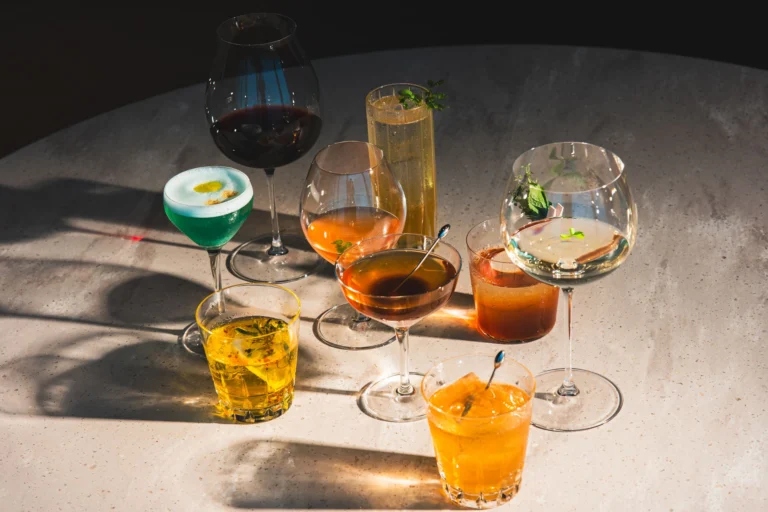
Square glasses work well beyond wine service. A stemless square tumbler can hold a cocktail, water, or dessert. The angular shape suits an Old Fashioned or a simple highball, and it looks deliberate on a table. For dessert, a small square glass can hold a parfait or a layered sweet without the usual round coupe. The main caution is capacity. A glass designed for wine may be too large for a cocktail or too small for a dessert serving.
Where to Find Them
Square wine glasses are available from specialty kitchenware shops, department stores, and online glassware retailers. They are less common than round glasses, so check the listed dimensions rather than relying on product photos. Look for bowl volume, rim diameter, height, and material. If you are buying a set, confirm whether the glasses are dishwasher safe and whether replacement glasses are available. Independent glassmakers and modern design brands are often the best source for well-proportioned square shapes, but the same rules apply: thin rim, balanced base, clear glass, and a bowl size that matches the wine you drink.
A Different Shape, Not a Better One
A square wine glass is a design choice with real consequences for how a wine is swirled, smelled, and sipped. It can add a modern edge to a table and, in the right proportions, support aeration and aroma concentration. It will not fix a poorly made wine or replace a well-chosen round glass. The appeal is specific: straight lines, a contemporary look, and a different feel at the rim. For drinkers who want that difference, a well-made square glass can be a useful addition to the cabinet. For everyone else, the classic round bowl remains the safer tool.
If your company or product is mentioned in this article, you're welcome to share it.