What Champagne Actually Means
Champagne is a protected designation, not a generic term for bubbly. It can only be made in the Champagne region of France, about 90 miles east of Paris. The region’s chalk soils and cool climate shape wines made from Chardonnay, Pinot Noir, and Pinot Meunier, the only grapes permitted. Sparkling wine made outside that region cannot legally be sold as Champagne in most markets.
How Traditional-Method Sparkling Wine Is Made
Champagne uses the traditional method, or méthode champenoise. A base wine is fermented, then blended into a cuvée. The blend is bottled with yeast and sugar, called liqueur de tirage, and a second fermentation happens inside the bottle. That fermentation creates carbon dioxide, which becomes the bubbles, and alcohol. The wine then ages on its dead yeast cells, or lees. Non-vintage Champagne must age at least 15 months on the lees; vintage Champagne must age at least three years. Lees contact adds brioche, toast, and nut notes. After aging, bottles are riddled to move sediment to the neck, disgorged to remove it, dosed with liqueur d’expédition to set sweetness, and corked. The process is slow and labor-intensive, which helps explain Champagne’s price.
Other Methods You Will See
- Charmat or tank method: Second fermentation happens in large stainless steel tanks. Prosecco is usually made this way. The result is fresher, fruitier, and less expensive, with larger bubbles.
- Transfer method: The wine undergoes second fermentation in bottle, then is transferred to a tank, filtered, and rebottled. It sits between traditional method complexity and tank method efficiency.
- Ancestral method: The wine is bottled before primary fermentation finishes, trapping sugar and yeast to create bubbles. These pét-nat wines are often cloudy and can be unpredictable.
What the Main Styles Taste Like
- Champagne: Citrus, apple, pear, toast, brioche, almond, and sometimes mineral notes. It is usually dry, high in acidity, and has a fine, persistent mousse.
- Prosecco: Green apple, pear, honeydew melon, and white flowers. It is generally fruitier, lighter in body, and has larger bubbles than Champagne.
- Cava: Spanish sparkling wine made by the traditional method. Look for citrus, apple, almond, and a slightly earthy note.
- Other sparkling wines: Flavor depends on grape variety, climate, and method. Cool-climate wines tend toward crisp acidity and green fruit; warmer-climate wines tend toward riper fruit.
Pairing Without Overthinking It
Acidity and bubbles cut through rich food and cleanse the palate. Champagne works with oysters, sushi, creamy cheeses, fried food, and steak frites. Prosecco suits appetizers, salads, light seafood, fruit desserts, and spicy dishes. Cava is a natural fit for tapas, paella, grilled vegetables, and cured meats. For any sparkling wine, match dry styles with seafood and salads, and sweeter styles with desserts and fruit.
Label Terms That Matter
- Brut: less than 12 grams of sugar per liter.
- Extra Dry: 12-17 grams per liter.
- Sec: 17-32 grams per liter.
- Demi-Sec: 32-50 grams per liter.
- Doux: more than 50 grams per liter.
- Vintage: made from grapes harvested in a single year.
- Non-Vintage: a blend of wines from multiple years.
- Blanc de Blancs: made only from white grapes, typically Chardonnay.
- Blanc de Noirs: made only from black grapes, Pinot Noir and/or Pinot Meunier.
Storage and Serving
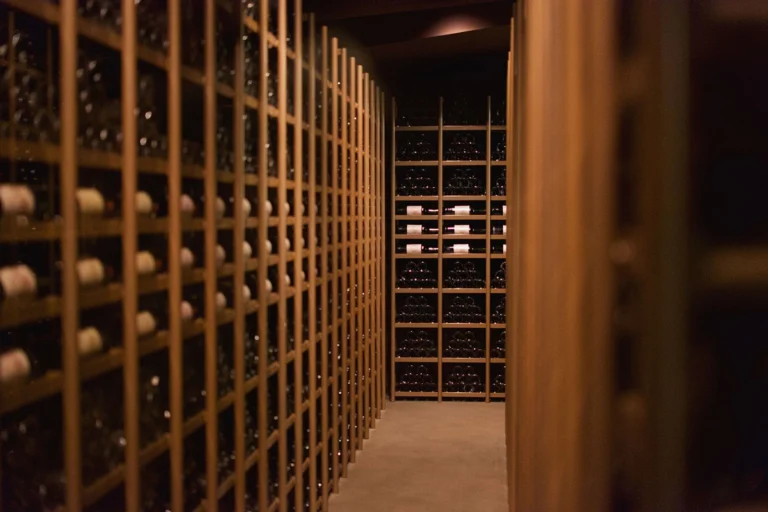
Store unopened bottles in a cool, dark place, preferably lying down so the cork stays moist. Chill to about 45-50°F (7-10°C). To open, hold the bottle at a 45-degree angle, grip the cork firmly, and twist the bottle until the cork releases with a soft sigh rather than a loud pop. Pour slowly into flutes or tulip-shaped glasses. After opening, use a Champagne stopper, refrigerate the bottle upright, and drink within 1-2 days.
Australian Sparkling Wine
Australia produces high-quality traditional-method sparkling wine, particularly in Tasmania, the Yarra Valley, and the Adelaide Hills. Many are made from Chardonnay and Pinot Noir and can show the same brioche and citrus complexity associated with Champagne, often at a lower price.
Champagne vs. Sparkling Wine at a Glance
| Feature | Champagne | Sparkling Wine |
|---|---|---|
| Origin | Champagne region of France | Any region outside Champagne |
| Grapes | Chardonnay, Pinot Noir, Pinot Meunier | Various, such as Glera for Prosecco |
| Production method | Traditional method | Charmat, transfer, ancestral, or traditional |
| Flavor profile | Complex, toasty, brioche, citrus, almond | Varies, often fruitier and less complex |
| Price | Generally higher | Generally lower |
FAQ
What is the main difference between Champagne and Prosecco?
Champagne comes only from the Champagne region of France and is made by the traditional method, with second fermentation in the bottle. Prosecco comes mainly from the Veneto region of Italy and is usually made by the Charmat method, with second fermentation in stainless steel tanks. That makes Prosecco generally fruitier, less complex, and more affordable.
Is all sparkling wine made the same way?
No. Champagne uses the traditional method. Other sparkling wines can use the Charmat method, the transfer method, or the ancestral method. Each method affects bubble size, flavor complexity, and style.
How should I store sparkling wine after opening?
Use a Champagne stopper to seal the bottle tightly, store it upright in the refrigerator, and drink it within 1-2 days. The bubbles will fade, but a stopper slows the loss.
The Short Answer
Choose Champagne when you want the specific origin, traditional-method aging, and brioche-like complexity that the region is known for. Choose another sparkling wine when you want fresher fruit, a lighter price, or a style like Prosecco, Cava, or Australian traditional-method sparkling wine. The category is broad, and the label tells you more than the word bubbly does.
If your company or product is mentioned in this article, you're welcome to share it.