What Cabernet Merlot Is
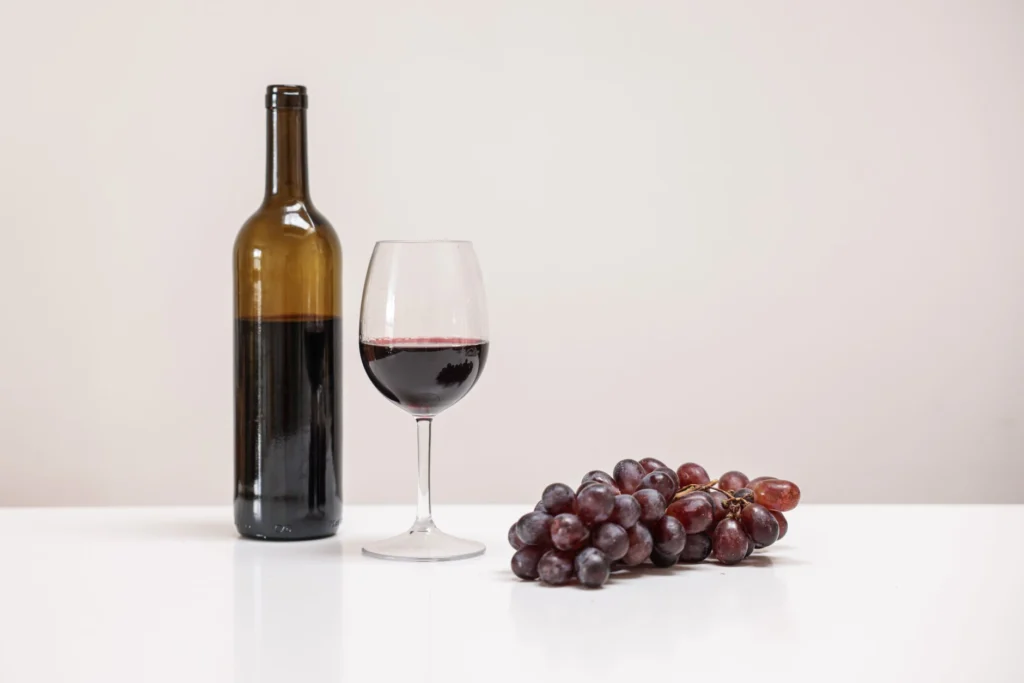
Cabernet Merlot is a red wine blend made from Cabernet Sauvignon and Merlot, the two most important red varieties in Bordeaux. Cabernet Sauvignon supplies structure, tannin, dark fruit and cedar; Merlot supplies plum, cherry and a softer midpalate. The proportion is not fixed. A Cabernet-dominant blend tends to be firmer and slower to open. A Merlot-dominant blend is usually rounder and more approachable young. In Bordeaux, Left Bank wines are typically Cabernet Sauvignon-led, while Right Bank wines are typically Merlot-led. Outside France, winemakers use the same pairing to balance ripeness, acidity and tannin.
The Two Grapes Side by Side
Cabernet Sauvignon
Cabernet Sauvignon has thick skins, high tannin and a late ripening cycle. Its classic aromas include blackcurrant, cedar, graphite and tobacco. In cooler sites it can show green bell pepper or mint. The tannin and acidity give it long aging potential, but young bottles can be tight and need time or decanting.
Merlot
Merlot has thinner skins and lower tannin than Cabernet Sauvignon. It ripens earlier and typically shows plum, black cherry, raspberry, chocolate, vanilla and sometimes licorice. Its texture is softer and fleshier. Merlot can age well, but it often reaches a drinkable stage sooner than Cabernet Sauvignon.
Why Winemakers Blend Them
Blending is a practical tool as well as a stylistic choice. Cabernet Sauvignon can be tannic or lean in cool vintages; Merlot adds fruit and fills out the middle of the palate. Merlot can lack acidity and backbone; Cabernet Sauvignon restores structure and length. Blending also helps winemakers combine parcels with different soils and ripening dates into a more consistent wine. The final ratio can range from a small Merlot addition to a near-equal split, and the label does not always tell you the exact proportions.
Terroir and Winemaking
Climate and soil change the blend. Warm sites usually give riper fruit and softer tannin. Cool sites give higher acidity and more herbal notes. In Bordeaux, gravel soils on the Left Bank suit Cabernet Sauvignon, while clay and limestone on the Right Bank favor Merlot. Napa Valley’s warm days and cool nights produce powerful, fruit-forward examples. Coonawarra in Australia is known for Cabernet Sauvignon on terra rossa soil, and Margaret River produces restrained Cabernet Merlot blends. Chile and Washington State’s Columbia Valley are also reliable sources.
Winemaking choices matter. Fermentation temperature, maceration time and oak aging affect texture and aroma. French oak tends to add subtle spice and structure; American oak can add vanilla and coconut. New barrels impart more flavor than used barrels. A short maceration gives a lighter wine; a long one extracts more color and tannin.
Tasting Notes
A typical Cabernet Merlot is deep ruby to garnet. Aromas often include blackcurrant, plum, cherry, cedar, vanilla, tobacco and spice. On the palate it is usually medium to full bodied, with tannin that should be firm but integrated. The finish can be fresh and fruit-driven or richer and oak-influenced, depending on the style. Serve at about 16 to 18°C, or 60 to 65°F. Young, tannic bottles benefit from decanting.
Food Pairings
The blend works with grilled steak, roast lamb, beef stew and burgers. The tannin cuts through rich meat, while the fruit matches savory flavors. It also pairs with duck confit, roast chicken with herbs, tomato-based pasta and meat ragu. Aged cheddar, Gruyère and Parmesan are good cheese matches. A Cabernet-dominant bottle needs richer food. A Merlot-forward bottle is more flexible and can handle lighter dishes.
Regions to Know
- Bordeaux, France: Left Bank Cabernet-dominant blends and Right Bank Merlot-dominant blends.
- Napa Valley, California: ripe, powerful, often oak-aged examples.
- Coonawarra and Margaret River, Australia: structured Cabernet and balanced blends.
- Chile: fruit-driven wines, often good value.
- Columbia Valley, Washington: concentrated Cabernet Merlot with firm structure.
Bottom Line
Cabernet Merlot is not one fixed style. It is a flexible blend that can be firm and ageworthy or soft and ready to drink. The region, vintage and proportion of each grape matter more than the name on the label. Look for a producer whose style matches what you want: structure and longevity from Cabernet Sauvignon, or plush fruit and earlier drinking from Merlot.
If your company or product is mentioned in this article, you're welcome to share it.