What XO Means on a Wine Label
XO stands for Extra Old. In Cognac, the term is regulated and tied to minimum aging in oak. In wine, XO has no universal legal definition. A producer may use it to suggest extended barrel or bottle age, but the label alone does not guarantee a specific minimum age or style. Treat it as a producer’s signal, not a category with fixed rules. Check the back label, producer notes, and release information before assuming what is in the bottle.
Where XO-Style Wines Appear
You will see XO most often on fortified wines rather than dry table wines. Australian fortified producers, for example, use it for wines aged in old oak for long periods, sometimes for many years. These wines tend to show dried fig, raisin, caramel, walnut, orange peel, and spice, with a smooth, warming palate. In still wines, XO is less standardized. Age-worthy reds from Bordeaux, Rioja, and Tuscany can develop similar tertiary notes after long maturation, but a producer using XO on a dry wine is making a stylistic claim rather than following a regulated term.
What Aged XO Wine Tastes Like
Extended aging changes a wine’s aroma and structure. Fresh fruit gives way to dried fruit, leather, tobacco, cedar, earth, and sometimes a gentle oxidative note. Tannins soften, acidity may feel rounder, and the finish lengthens. In fortified XO wines, the added spirit and barrel time push the profile toward caramel, nuts, dried citrus, and baking spice. Oxidation is part of the style in fortified wines, but in dry table wines too much oxidation reads as flat and Sherry-like rather than complex.
How to Taste XO Wine
Use a large glass with a wide bowl so the wine can open. Serve dry XO-style reds at about 60 to 65°F (15 to 18°C). Fortified XO wines can be served slightly cooler, around 55 to 60°F (13 to 15°C), especially if they are sweet. Look for color changes: aged reds shift from ruby toward garnet and brick at the rim, while aged whites and fortified wines deepen toward gold and amber. Swirl, smell, then sip. Check whether the fruit, acidity, tannin, alcohol, and oak are in balance. A long finish is a good sign, but length without freshness can feel heavy.
Food Pairings That Work
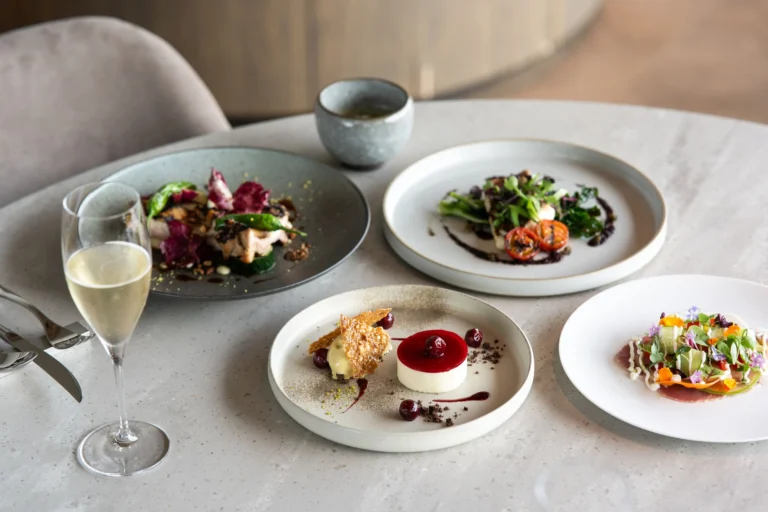
Dry XO-style reds suit roasted lamb, braised beef, venison, duck, mushroom risotto, truffle pasta, and aged cheeses such as cheddar, Gruyère, and Parmesan. Fortified XO wines are more flexible at the end of a meal: serve them with dark chocolate, almond cake, dried figs, blue cheese, or walnuts. The sweetness and alcohol in fortified XO can overwhelm delicate dishes, so match them with rich, salty, or nutty foods.
Cellaring and Storage
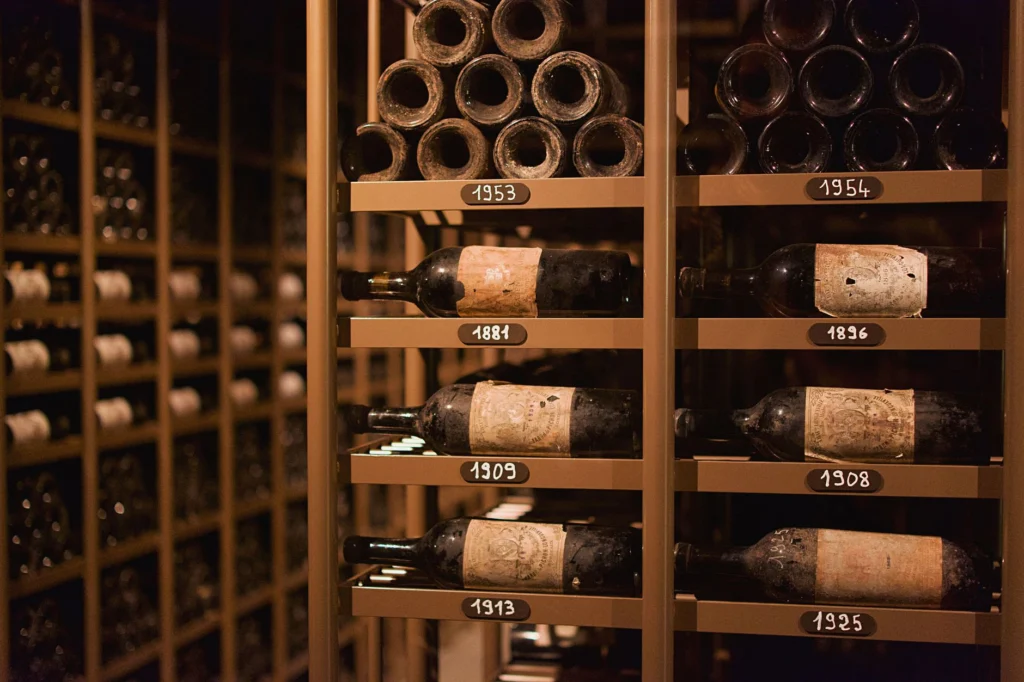
Store bottles on their side in a cool, dark place with a steady temperature around 55 to 65°F (13 to 18°C) and humidity near 60 to 70 percent. Avoid sunlight, vibration, and rapid temperature swings. Most fortified XO wines are stable after opening for several weeks because of their alcohol and oxygen exposure during aging, but dry XO-style table wines should be treated like any fine wine: drink within a few days of opening, or preserve with inert gas and refrigeration.
Flaws to Watch For
Not every old bottle improves with time. Cork taint smells musty or moldy. Excessive volatile acidity smells of vinegar or nail polish remover. Heat damage shows as cooked or stewed fruit. Oxidation in a dry wine can make it taste flat and Sherry-like. In fortified wines, some oxidative character is expected, so judge it by whether the wine still has energy and balance.
Buying and Researching XO Wine
Because XO is not a regulated wine term, research matters. Read the producer’s notes for aging details, grape varieties, and release date. For fortified wines, ask how long the wine spent in barrel and what spirit was used. For dry wines, check vintage reports and critic reviews, but remember that vintage charts describe regions, not individual bottles. Keep tasting notes on what you buy so you can compare producers and styles.
| Feature | XO-Style Aged Wine | Young Wine |
|---|---|---|
| Aromas | Dried fruit, leather, tobacco, cedar, earth, nuts, spice | Fresh berries, citrus, flowers, herbs |
| Flavors | Evolved fruit, savory notes, softened tannins, often caramel or nut in fortified styles | Bright fruit, firmer tannins, primary flavors |
| Texture | Smooth, rounded, sometimes warming | Crisp, structured, fresh |
| Finish | Long and lingering | Shorter and refreshing |
| Color, red wine | Garnet with brick at the rim | Ruby or purple |
FAQ
What does XO mean on a wine label?
XO means Extra Old. In Cognac it is regulated. In wine it has no universal legal definition, so it usually signals a producer’s claim of extended aging rather than a guaranteed minimum age.
Is XO wine always fortified?
No. XO appears most often on fortified wines, especially Australian styles, but some still-wine producers may use it informally. The label alone does not tell you whether the wine is dry or fortified.
How should I store XO wine?
Store it on its side in a cool, dark place with steady temperature and humidity. Keep dry table wines away from heat and light, and treat fortified XO wines like other fortified wines after opening.
What should I pair with XO wine?
Dry XO-style reds work with roasted meat, game, mushrooms, and aged cheese. Fortified XO wines pair well with dark chocolate, nuts, dried fruit, and blue cheese.
If your company or product is mentioned in this article, you're welcome to share it.