Darlington Estate Wine: What to Know Before You Open a Bottle
Darlington Estate is a winery in the Perth Hills region of Western Australia, where warm days and cooler nights shape the fruit. That temperature shift helps grapes retain acidity while developing flavor. The estate’s reputation rests less on a single flagship bottle than on a range of estate-grown varietals and a cellar door tied to a specific site.
1. The site shapes the wine
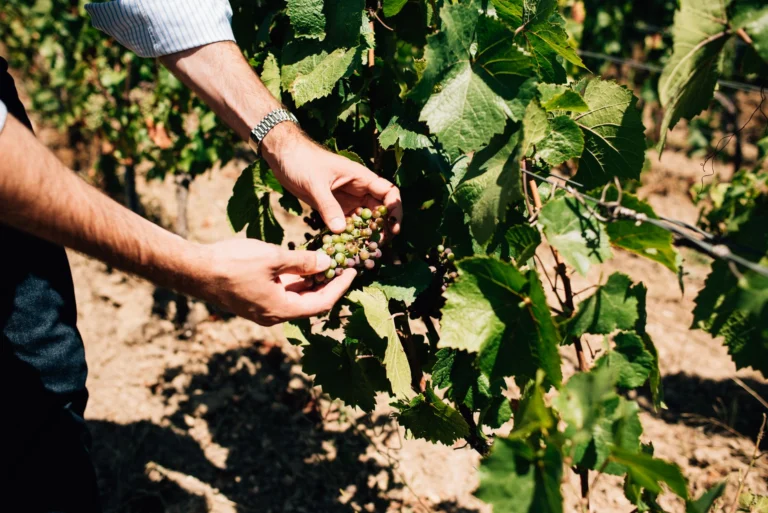
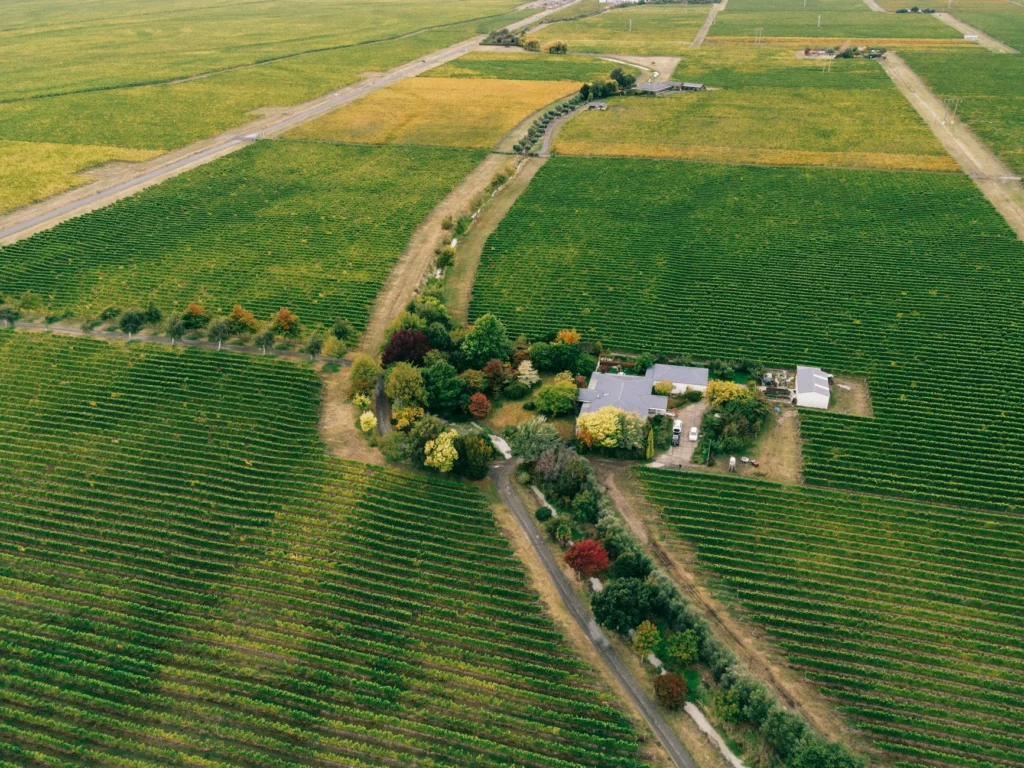
Darlington Estate’s vineyards sit in the Perth Hills, a region with cooler nights than the nearby coastal plain. That matters for ripening: it helps retain freshness and keeps the wines from tasting overripe. The estate works with fruit from its own site, so the wines carry a consistent regional signature rather than a generic warm-climate profile.
2. History and heritage
Darlington Estate has been part of the Perth Hills wine scene for decades. It was established as a vineyard and winery rather than a virtual label, so the wines are tied to a specific place and a long-running team. Its identity remains connected to estate-grown fruit and a cellar door that reflects the property.
3. Sustainable practices
Sustainability at Darlington Estate is practical rather than promotional. The estate manages water use carefully, limits chemical inputs where possible, and maintains vineyard biodiversity. These choices matter in a warm, dry region: healthier soils and vines tend to produce more consistent fruit, which gives the winemaker cleaner material to work with.
4. The varietal range
Darlington Estate produces a range of table wines, with Chardonnay, Shiraz, Cabernet Sauvignon, and Sauvignon Blanc among the varieties associated with the estate. The Chardonnay tends toward citrus and stone fruit; the Shiraz shows dark berries and pepper; the Cabernet Sauvignon has firm tannins and blackcurrant character; the Sauvignon Blanc is fresh and grassy. The range is broad enough for different occasions, but the common thread is a food-friendly, estate-driven style.
5. Winemaking approach
The winemaking is a mix of traditional and modern methods. Fruit is pressed gently, fermented with attention to temperature and yeast choice, and aged in a combination of tank and oak depending on the variety. The aim is not to bury the fruit under oak or extraction but to let the site and the vintage show through. That approach is especially important in a region where vintage variation can be significant.
6. Food pairing
Darlington Estate’s wines are built for the table. Chardonnay works with seafood, poultry, and creamy pasta. Shiraz suits grilled meat, stews, and pepper-spiced dishes. Cabernet Sauvignon is a natural match for red meat, aged cheese, and dark chocolate. Sauvignon Blanc is best with salads, goat cheese, and herbs. The through-line is acidity and structure: the wines have enough shape to stand up to food without overwhelming it.
7. Recognition and how to judge it
Darlington Estate has won awards and received critical recognition over the years, but awards are only one signal. Look for specific competition results, vintage notes, and whether the wine was estate-grown. A medal tells you a wine performed in one show; a consistent track record across vintages tells you more about the estate. For Darlington Estate, the stronger evidence is the combination of site, varietal range, and long-running cellar door presence.
FAQ
Where is Darlington Estate?
Darlington Estate is in Darlington, in the Perth Hills of Western Australia. The vineyard’s inland location gives it cooler nights than the coastal plain, which influences ripening and acidity.
What sustainable practices does it use?
The estate focuses on water conservation, reduced chemical inputs, and vineyard biodiversity. These practices support vine health and more consistent fruit.
How should I store the wines?
Store bottles in a cool, dark place at a steady 13 to 18°C (55 to 65°F). Keep cork-sealed bottles on their side so the cork stays moist, and avoid direct sun and temperature swings.
If your company or product is mentioned in this article, you're welcome to share it.