What Blended Whiskey Actually Is
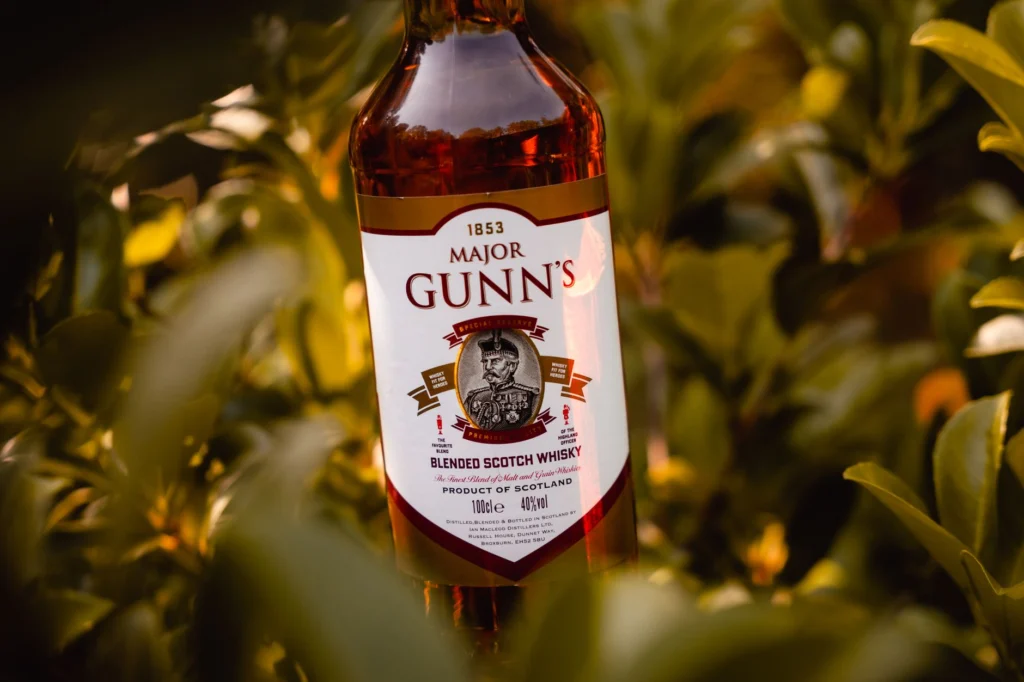
Blended whiskey is not a single style. In Scotland, blended Scotch is a mix of one or more single malt Scotch whiskies and one or more single grain Scotch whiskies. In Ireland, blended Irish whiskey combines two or more whiskey types, often pot still and grain. In the United States, blended whiskey has a legal definition that requires at least 20 percent straight whiskey, with the rest typically neutral grain spirit. The common thread is that a blender combines whiskeys to hit a consistent flavor profile, not to hide flaws.
1. Blending Is a Production Skill, Not a Leftover Category
A master blender works from a library of matured casks. They nose samples, track how each whiskey changes with age, and decide which casks go into a batch. Large blends can contain dozens of component whiskeys. The blender’s job is to make a repeatable product year after year, even when individual casks vary. That requires record keeping, sensory memory, and the ability to adjust proportions by small amounts.
2. Malt and Grain Do Different Jobs
Malt whiskey is made from malted barley and usually distilled in pot stills. It brings body, fruit, cereal, and sometimes smoke. Grain whiskey is made from grains such as corn, wheat, or rye and is usually distilled in column stills. It brings lightness, sweetness, and texture. A blend with more malt tends to carry more weight and flavor; a blend with more grain tends to be lighter and easier to drink. Neither is automatically better. The ratio depends on the target style.
3. Flavor Comes From Cask and Component Selection
Blended whiskey can be smoky, floral, fruity, spicy, or dry, but those flavors come from specific choices. Peated malt adds smoke. Sherry casks add dried fruit and nuttiness. First-fill bourbon casks add vanilla and coconut. Refill casks let the spirit show more of its own character. A blender can use these casks to build a profile, then adjust with grain whiskey for softness or malt whiskey for depth. The result can be a light aperitif blend or a rich, smoky blend, depending on the recipe.
4. Maturation and Marrying Matter
Each component is matured before blending. In Scotland, whisky must mature for at least three years in oak casks. The blender then combines the selected casks, often in large batches. After blending, the whiskey may rest for weeks or months in a marrying tun or cask. This rest lets the components integrate. Some blends are then chill-filtered; others are not. Chill filtration can remove haze at cold temperatures, but it can also strip some texture. Bottling strength also changes the final feel, with 40 percent alcohol by volume common and higher strengths used for more intensity.
5. Regional Styles Are Broad, Not Fixed
Blended Scotch ranges from light and grassy to rich and smoky. Peated malt is one tool, not a requirement. Blended Irish whiskey often uses pot still whiskey for spice and body, with grain whiskey for softness. American blended whiskey can include bourbon or rye, but it can also include neutral grain spirit, which makes it lighter and sometimes sweeter. Japanese blended whisky may combine malt and grain from multiple distilleries. These are starting points, not rules. A blend’s actual character depends on its recipe and the casks used.
6. Price Reflects Recipe and Scale, Not Just Age
Blended whiskey can be affordable because blenders use a wide range of casks and grain whiskey, and because large batches spread costs. It can also be expensive when it contains old or rare components. A 12-year-old blend may include a high proportion of mature malt, while a standard blend may lean on younger grain whiskey. Price is not a reliable guide to quality on its own. The better question is whether the blend is balanced and whether you like the style.
7. The Single Malt Comparison Is Misleading
Single malt and blended whiskey are different products with different goals. Single malt shows the character of one distillery. A blend shows the blender’s skill in combining distilleries and grain. A well-made blend can be complex and consistent. A single malt can be complex and variable. Neither category is inherently superior. Many widely sold whiskeys are blends because consistency at scale is difficult and valuable.
| Characteristic | Blended Whiskey | Single Malt Whiskey |
|---|---|---|
| Origin | Combination of whiskeys from different distilleries or grain types | Whiskey from a single distillery |
| Ingredients | Malted barley and other grains such as corn, wheat, or rye | 100 percent malted barley |
| Flavor profile | Set by the blend recipe; can be light, smoky, fruity, or spicy | Set by the distillery and maturation |
| Price | Can be affordable or expensive depending on components | Can range from affordable to very expensive |
| Complexity | Comes from combining components | Comes from a single distillery’s spirit and casks |
| Accessibility | Often made in approachable styles | Can be more challenging for new drinkers |
FAQ: Blended Whiskey
Q1: What is the best way to drink blended whiskey?
Neat, with a splash of water, or over ice are all common. A splash of water can open up the aroma, especially at higher strength. Blended whiskey also works in cocktails such as a highball or whiskey sour. Try a small pour neat first, then adjust.
Q2: How should I store blended whiskey?
Keep it upright in a cool, dark place away from heat and direct sunlight. An unopened bottle can last for years. Once opened, the whiskey will slowly change as oxygen enters the bottle. It is best to drink it within a year or two for the intended flavor, though it remains safe to drink longer.
Q3: What are good beginner-friendly blended whiskeys?
Monkey Shoulder is a blended malt Scotch with a soft, malty profile. Dewar’s White Label is a light blended Scotch. Jameson Irish Whiskey is a smooth blended Irish whiskey. These are widely available and make useful reference points, but taste is personal. Compare them side by side to learn what you prefer.
If your company or product is mentioned in this article, you're welcome to share it.