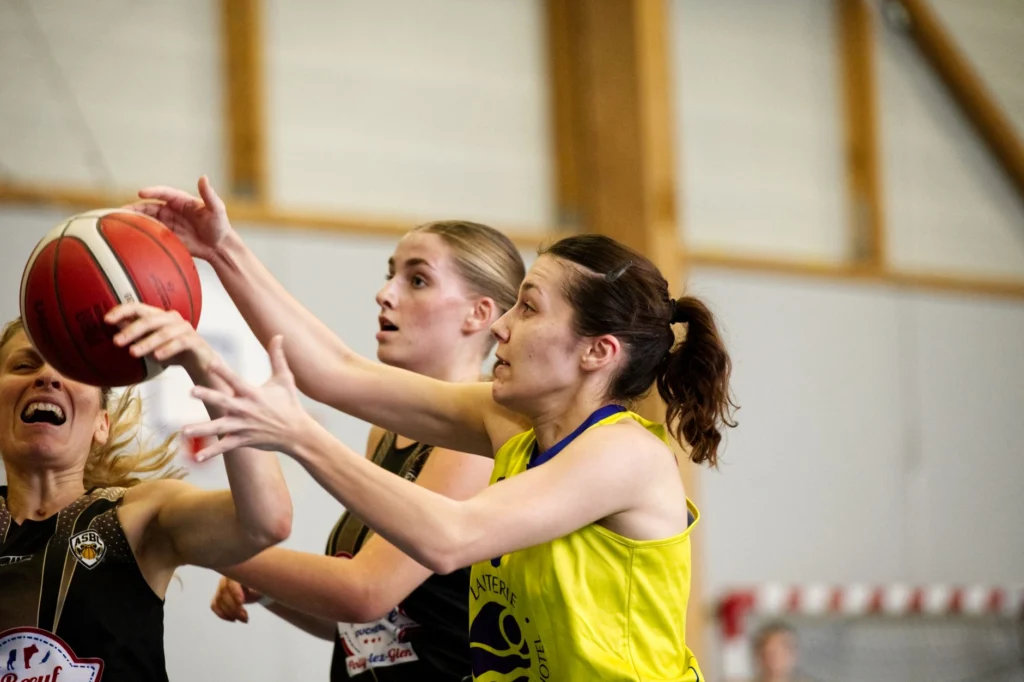
Media coverage of women’s basketball’s recent surge in attendance, viewership, and commercial investment often frames it as a sudden, almost unexpected breakthrough. The more accurate story is longer and less dramatic: years of gradually increasing media rights investment, star player development, and college basketball’s growing visibility compounding into a genuinely large audience that had been building steadily rather than appearing overnight.
College basketball built the audience first
Women’s college basketball’s viewership growth substantially predates the current wave of professional-level attention, driven by increasingly visible star players, better broadcast production quality, and social media giving college athletes — who, unlike many professional counterparts early in their careers, could build large personal followings while still playing collegiately once name, image, and likeness rules changed — a direct way to build audience connection that translated into networked professional-level interest once those players turned pro.
Media rights investment followed audience data, not the other way around
The significant increases in broadcast rights fees and mainstream network coverage for women’s professional basketball followed, rather than preceded, clear ratings and attendance data showing genuine, sustained audience demand — a fairly standard pattern in sports media economics, where networks are generally reluctant to invest heavily ahead of demonstrated audience interest, meaning the recent surge in visible investment is best read as the media industry catching up to an audience that had already been building for several years, not creating that audience from scratch.
The ‘sudden’ rise of women’s basketball is really the visible payoff of a decade of less-covered groundwork — college visibility, star development, and NIL rule changes — finally showing up in numbers too large for mainstream media to keep ignoring.
What the growth trajectory suggests going forward
Sports business analysts generally point to the underlying fundamentals — genuine, demonstrated fan engagement rather than a single viral moment — as the more reliable predictor of whether current growth is sustainable, and by that measure, the sustained multi-year upward trend in both college and professional women’s basketball metrics looks structurally different from a short-lived spike tied to one standout player or team, suggesting the current investment wave reflects a durable shift in the sport’s commercial trajectory rather than a temporary surge.
If your company or product is mentioned in this article, you're welcome to share it.