What Makes a Wine Restaurant Wise
A wise wine restaurant is not defined by a 400-bottle list. It is defined by whether the list, service, and kitchen work together. The staff can explain why a wine is on the list, the by-the-glass selection changes with the menu, and bottles are stored and served at the right temperature. The list should have a clear point of view: maybe a strong Loire section, a deep selection of Piedmontese reds, or a small group of grower Champagnes. Prices should make sense against retail, and the food should give the wine something to work with.
The Amateur Approach: Curiosity First
Amateurs often order by instinct: a grape they recognize, a label they like, a recommendation from a friend, or a glass the server describes well. That is not a weakness. It is how most people build a palate. The useful amateur habit is to pay attention to the result. If a crisp Sauvignon Blanc makes a goat cheese salad taste brighter, that is a data point. If a high-alcohol Zinfandel flattens a delicate fish dish, that is also a data point. Trial and error works best when you remember what happened.
Amateurs also tend to focus on enjoyment rather than performance. They are less likely to worry about whether a wine is the correct pairing and more likely to ask whether they want another sip. That can lead to useful discoveries: a dry Riesling with spicy noodles, a light red with grilled vegetables, or a sparkling wine with fried food.
The Expert Approach: Selection With a Reason
An expert does not simply order the most expensive bottle. They read the list for signals. Is it organized by region, grape, or style? Are there multiple vintages from the same producer? Does the by-the-glass list overlap with the food menu? A strong list often has a few anchor producers, a few bottles for discovery, and a few older vintages that show the restaurant cellars wine rather than just buying it. The expert also asks questions: how long has the bottle been open, what is the pour size, and is there a wine that bridges the table’s different dishes.
Pairing for an expert is mostly about weight, acidity, tannin, sweetness, and intensity. A high-acid wine cuts through fat. A tannic red needs protein and fat to soften it. A sweet wine can handle heat or dessert, but only if the wine is at least as sweet as the food. These are practical rules, not rigid laws. The expert uses them to narrow the list, then trusts taste.
Reading a Wine List
Look at how the list is built before you look at prices. A list organized only by price is usually less useful than one organized by style or region. Check whether the by-the-glass options are fresh and varied. Ask whether the restaurant uses Coravin or another preservation system for expensive by-the-glass pours. Look for a few bottles that are older than the current release, which suggests the restaurant has a cellar. And check the markup: a bottle that costs three times retail is common, but a bottle at four or five times retail needs a good reason, such as age or rarity.
Glassware and Service
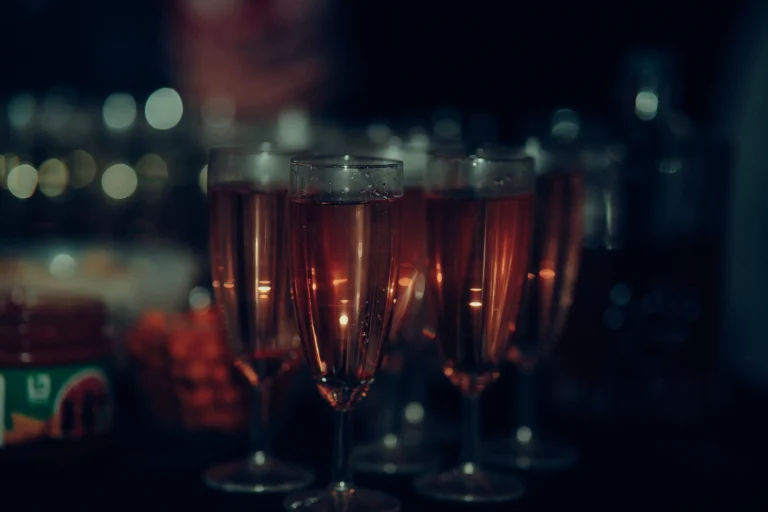
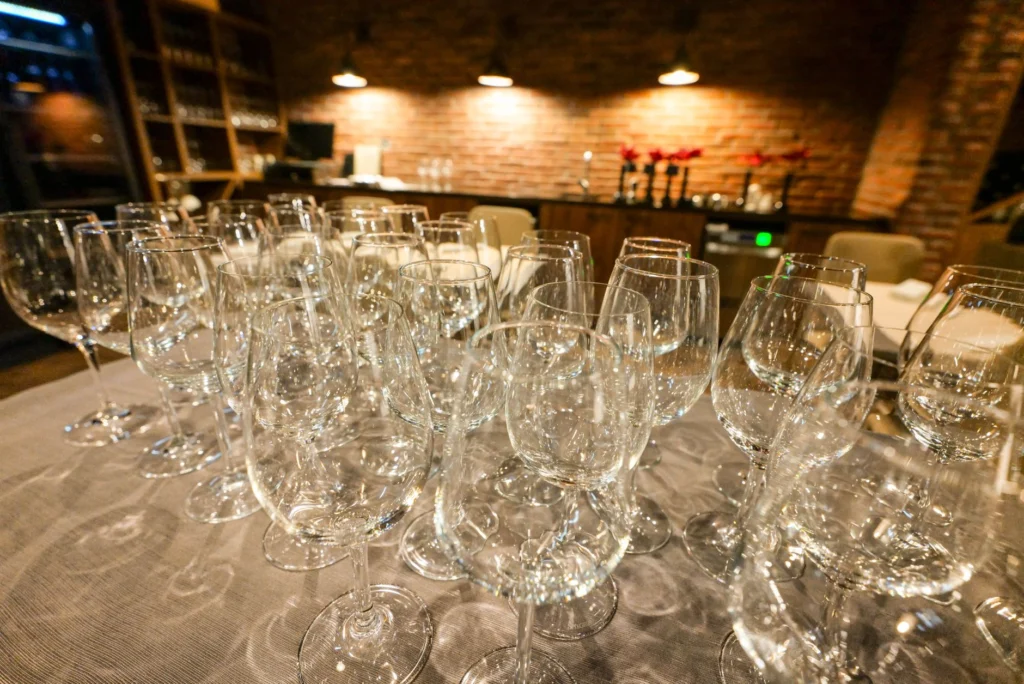
Glass shape changes how a wine smells and tastes. A narrow glass focuses aromas for crisp whites and sparkling wines. A wider bowl gives reds room to breathe. Restaurants do not need a different glass for every grape, but they should use clean, appropriate glasses and avoid overfilling. Serving temperature matters just as much. A warm room can make a 14 percent alcohol red feel hot and clumsy. A white that is too cold will taste muted. A good restaurant will serve whites cool but not icy and reds at cellar temperature, not room temperature.
Pairing Principles That Work
- Match body to body. A light white with a light dish; a full red with a rich braise.
- Use acidity against fat. High-acid wines work with fried food, butter sauces, and charcuterie.
- Use tannin with protein. A tannic red needs meat or cheese, not a plain green salad.
- Balance sweetness. Sweet wine with dessert should be sweeter than the dessert; spicy food can work with off-dry Riesling or Gewürztraminer.
- Look for bridge ingredients. Earthy reds with mushrooms, citrusy whites with herbs, and sparkling wine with salty snacks.
Expert vs. Amateur at a Glance
| Choice | Expert | Amateur |
|---|---|---|
| Wine selection | Reads the list for balance, vintage, and value | Chooses by preference, label, or recommendation |
| Pairing | Uses acidity, tannin, body, and sweetness | Experiments and learns from the result |
| Focus | Nuance, provenance, and service | Enjoyment and discovery |
| Risk | Calculated, with a few discovery bottles | High, willing to try something unfamiliar |
What Each Side Can Learn
Amateurs can borrow the expert’s habit of asking one useful question: what wine would you drink with this dish? That is more useful than asking for the best wine on the list. Experts can borrow the amateur’s willingness to order outside the safe zone. A wine list is not an exam. The point is to find a bottle that makes the meal better.
FAQ
How do I choose wine if I am not an expert?
Tell the server what you are eating and what you usually like. Be specific: crisp and dry, light and fruity, or bold and tannic. Ask for a taste of a by-the-glass wine if the restaurant allows it. You do not need to know the grape to get a good recommendation.
What is a common pairing mistake?
Ignoring weight. A delicate white can disappear next to a rich cream sauce, and a powerful red can overwhelm a light fish dish. Match intensity first, then adjust for acidity, tannin, and sweetness.
Does glassware really matter?
Yes, but not as much as temperature and freshness. A clean glass with enough room for the wine to smell is more important than a matched set for every grape. If a restaurant serves a serious wine in a tiny, overfilled glass, that is a service problem.
If your company or product is mentioned in this article, you're welcome to share it.