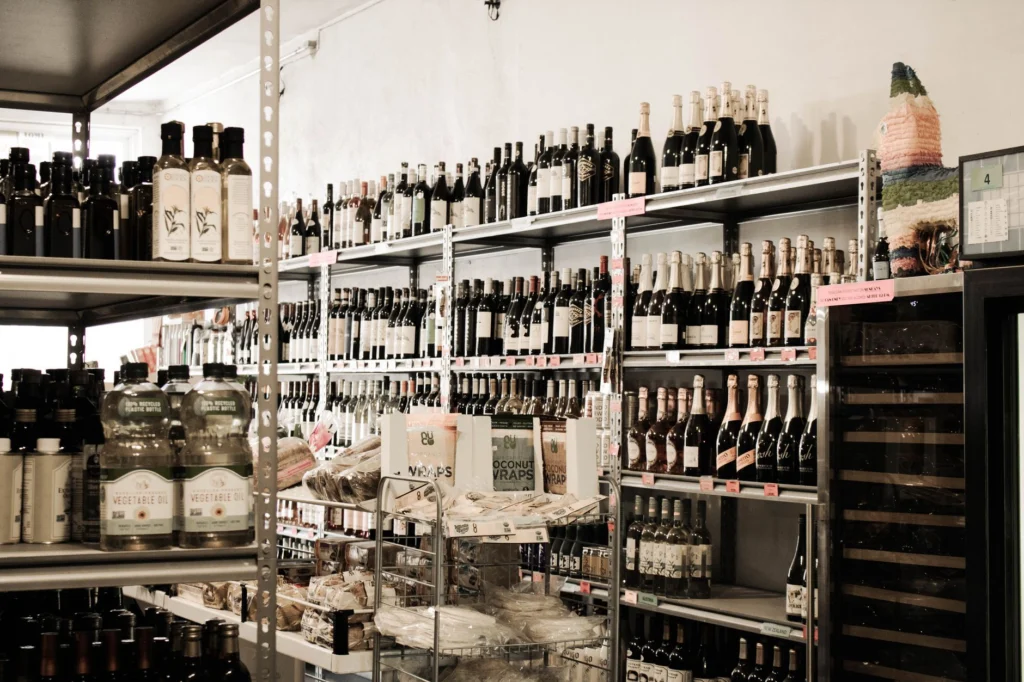
What a Wine Lovers Warehouse Actually Is
A wine lovers warehouse is a large-format wine store built around selection and storage. The useful ones are not just big rooms full of bottles. They keep inventory in a temperature-controlled space, usually around 55°F with humidity in the 60 to 70 percent range, and protect it from light and vibration. That matters because wine changes in the bottle. A store that controls conditions can sell mature bottles with more confidence and hold back stock without risking heat damage.
The scale is the draw. A serious warehouse may carry thousands of labels across Bordeaux, Burgundy, the Rhône, Italy, Spain, Germany, and the New World. You can find everyday bottles alongside collectible vintages, and compare regions in one visit instead of ordering blind from several shops.
Selection and Curation
Size alone does not make a warehouse worth visiting. The better operations have buyers who taste constantly and build direct relationships with importers, distributors, and sometimes estates. That work shows up in the inventory: a deep vertical of one producer, a strong section of grower Champagne, or a reliable run of Rieslings from a single region. It also shows up in the notes. Staff should be able to tell you why a bottle is in stock, what it tastes like now, and whether it is ready to drink or needs time.
Expect a range rather than a single price tier. A good warehouse stocks weeknight wines, mid-priced bottles for dinner parties, and higher-end bottles for collectors. The point is not luxury for its own sake. It is access to a broad set of wines without having to visit five specialty shops.
Storage, Staff, and Pricing
Storage is part of the product. Ask how long bottles have been in the warehouse, whether the sales floor is cooled, and how inventory is rotated. A warehouse that stores wine properly can offer older vintages that a small shop might not risk carrying.
Staff knowledge is the other test. You should be able to describe a meal or a budget and get a useful answer, not a hard sell. The best employees will steer you toward a $18 bottle as readily as a $180 one if it fits what you are cooking.
Pricing can be competitive because warehouses buy in volume and often work with importers directly. That does not mean every bottle is cheaper than every independent shop, but the combination of selection and scale often produces good value on core wines and allocations.
How to Explore the Warehouse
Go with a question rather than a shopping list. If you want to understand Pinot Noir, compare a Burgundy with an Oregon bottle and a New Zealand bottle from the same price range. If you are curious about Bordeaux, ask for a younger vintage and a more mature one from the same appellation. This kind of side-by-side tasting teaches more than reading shelf talkers.
Use the staff. Tell them what you liked and disliked in the last bottle you opened. A good wine buyer can translate that into a few specific recommendations. Keep notes on producer, vintage, and region so you can repeat the experiment later.
Services Beyond the Shelf
Many warehouses add services that make them more than retail. Common offerings include tastings, classes, cellar storage, special orders, and delivery. Tastings may focus on a region, a grape, or a theme such as vertical flights of one producer across several vintages. Classes can cover food pairing, blind tasting, or the basics of a wine region.
For collectors, climate-controlled cellar storage is valuable. For anyone chasing a specific bottle, special orders can help, though availability depends on the importer and the market. Some warehouses also stock cheese, charcuterie, chocolate, decanters, glasses, and preservation tools. Online inventory and delivery are now standard for larger operations, but check whether the website shows real stock or just a catalog.
Who It Suits
A wine lovers warehouse suits drinkers who want to compare broadly, collectors who need reliable storage and sourcing, and restaurant or hotel buyers who need consistent inventory. It is less useful if you want a small shop that knows your palate by name, though the best warehouses try to provide both scale and service. The practical test is simple: can the staff answer specific questions, is the storage credible, and does the selection help you learn something you could not learn from a narrower shelf?
If your company or product is mentioned in this article, you're welcome to share it.