

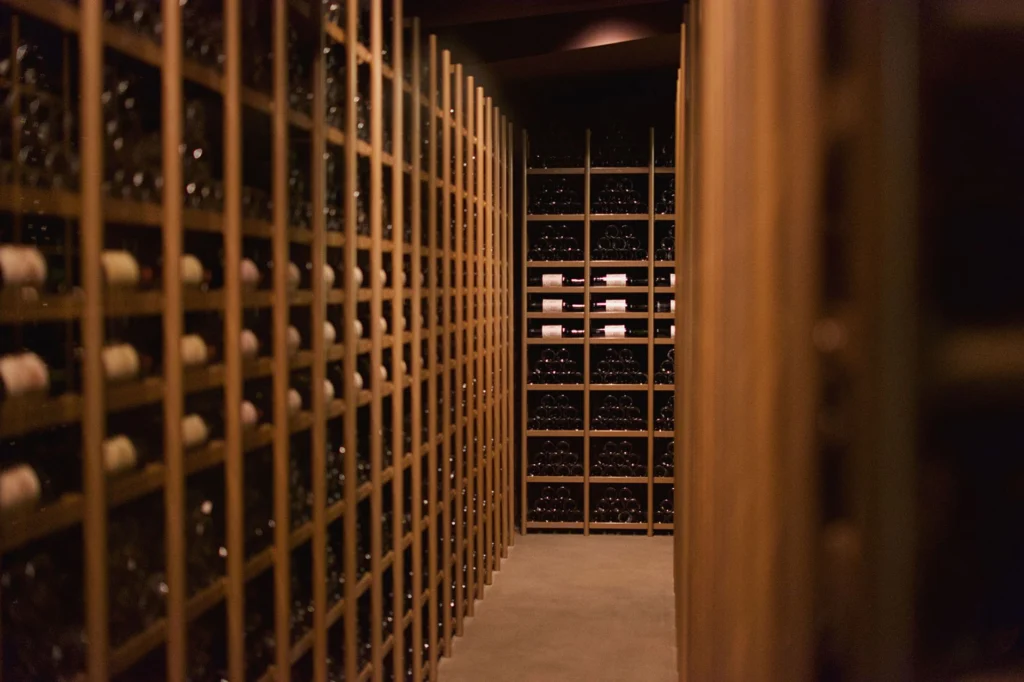
What a large wine fridge is for
A large wine fridge is not just a bigger version of a countertop unit. It is a storage system for a collection that is expected to grow, and its job is to hold temperature, humidity, light, vibration, and airflow within narrow limits for years. The difference between a professional cellar master and an amateur enthusiast is usually not knowledge of wine. It is planning: buying capacity before the collection outgrows it, measuring conditions instead of assuming them, and organizing bottles so they can be found and used.
Capacity and planning
Amateurs often buy for the bottles they own today. That leads to overcrowding within a year or two, then a second purchase. A cellar master buys for the collection they expect in five years and leaves room for air to move. They also check whether shelves fit Burgundy, Champagne, and Riesling bottles, not just standard Bordeaux shapes. A large fridge with 150 to 300 bottle capacity is common for a serious home collection, but usable capacity drops when shelves are fixed or bottles are oversized.
Temperature control
Wine storage temperature should stay stable, generally between 55 and 65°F (13 and 18°C). Red wines are often served and stored a little warmer, around 60 to 65°F (16 to 18°C), while whites are better at 50 to 60°F (10 to 16°C). A dual-zone large wine fridge lets you keep those ranges separate. The important detail is not the exact number on the display. It is how far the temperature swings when the compressor cycles, the door opens, or the room warms up. Cellar masters use a separate thermometer to check the middle and bottom of the cabinet. Amateurs often trust the front panel alone.
Humidity control
Relative humidity should stay around 50 to 70 percent. Below that, natural corks can dry and shrink, which lets oxygen into the bottle. Above that, mold can form on labels and inside the cabinet. Many wine fridges do not actively control humidity; they rely on the cooling system and door seals. A cellar master checks humidity with a hygrometer and adjusts if needed. An amateur may never measure it until a cork fails.
UV light and vibration
UV light can degrade wine, so a large fridge should have UV-resistant or tinted glass and should not sit in direct sun. Vibration is subtler. Compressor vibration and an unlevel floor can disturb sediment in older reds and add unnecessary movement. Cellar masters choose models with rubber-mounted compressors or vibration-dampening shelves and set the unit on a level floor. Amateurs often place a fridge in a bright kitchen or on an uneven surface because the spot looks convenient.
Air circulation and organization
Air needs to move around bottles. Overfilling a large wine fridge blocks that movement and creates warm and cold pockets. Cellar masters leave gaps between bottles and shelves, avoid stacking bottles in front of vents, and keep an inventory so they do not forget a bottle in the back. Amateurs tend to fill every slot and then discover that the bottle they want is behind three others. A simple spreadsheet or app with bottle location, vintage, and drink date is more useful than a vague memory.
Energy use and noise
A large wine fridge runs continuously, so energy use and noise matter. Low-E glass, good insulation, and efficient compressors reduce running costs. Quiet compressors matter if the fridge is near a kitchen, dining room, or open living space. Cellar masters compare estimated annual energy use and decibel ratings before buying. Amateurs often compare only the purchase price and later notice the hum or the utility bill.
Useful features
Advanced features are worth paying for when they solve a real storage problem. Wi-Fi monitoring helps if you travel or keep the fridge in a basement. Adjustable shelving helps with odd bottle shapes. Activated carbon filters can reduce odors. Locks and alarms make sense for a valuable collection. They are not required for every home, but they are not decoration either. The test is whether the feature helps you keep conditions stable or manage the collection.
FAQ
What temperature should a large wine fridge be set to?
Set a single-zone fridge to about 55°F (13°C) for general storage. Use a dual-zone unit if you want reds near 60 to 65°F (16 to 18°C) and whites near 50 to 60°F (10 to 16°C). Check the actual temperature inside with a separate thermometer.
How important is humidity?
Keep humidity between 50 and 70 percent. Low humidity can dry corks and allow oxidation. High humidity can encourage mold and damage labels.
Can I store beer or soda in a wine fridge?
You can, but it is not ideal. Wine fridges are set for wine temperature and humidity, and strong odors from other drinks can affect wine. If you need extra cold storage, use a separate fridge.
If your company or product is mentioned in this article, you're welcome to share it.


