What a White Wine Box Is For
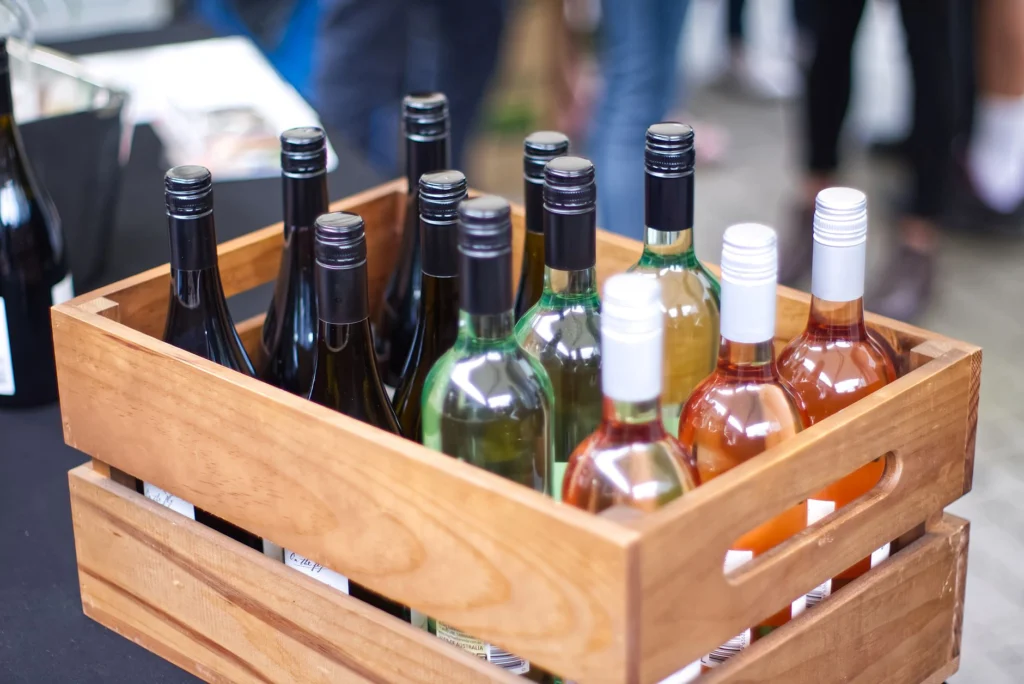
A white wine box is packaging, not a wine style. Its job is to protect bottles from light, heat, movement, and impact while making transport and storage easier. White wines are sensitive to ultraviolet light and temperature swings, so a box that blocks light and holds bottles securely is more useful than a decorative outer sleeve. For bottle storage, the box itself does not usually vacuum-seal the wine or flush it with inert gas; those methods belong to bag-in-box systems or specialized preservation tools. The box should fit the bottles snugly, with dividers or padding to stop them from knocking together.
Choose the Box Type That Matches the Job
- Cardboard: The practical choice for short-term storage and car transport. Look for double-wall board, tight seams, and dividers. Single-wall gift cartons are fine for presentation but weak for repeated handling.
- Wood: Pine, cedar, and mahogany cases offer better light blocking and rigidity. They suit long-term cellaring or gifting, but check that the wood is dry, sanded, and free of strong odors that can migrate through corks.
- Insulated: Useful for moving white wine in warm weather. Foam-lined boxes or boxes with gel-pack slots hold temperature longer than plain cardboard, but they are transport tools, not cellar replacements.
- Gift and custom boxes: These prioritize presentation: ribbon pulls, printed lids, foil stamping, and fitted inserts. Custom printing makes sense for events or branded gifts, but confirm the board strength before trusting the box with travel.
Check Quality Before You Buy
Material and construction matter more than the finish. For cardboard, press the walls and check whether the box has a double-wall base. For wood, inspect joints, hinges, and lid fit; a loose lid or flimsy hinge will not survive repeated use. Insulated boxes should have thick, continuous foam and a close-fitting lid. Dividers should be rigid enough to keep bottles apart, and the interior should match the bottle diameter. A box that is too tight can chip labels or make bottles hard to remove; one that is too loose lets bottles shift.
Prepare Bottles Before Storage
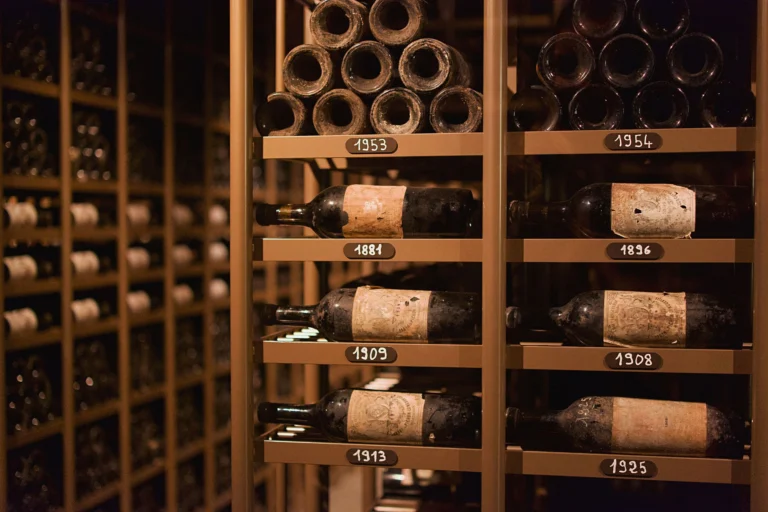
White wine stores best at a cool, steady temperature, roughly 45°F to 65°F (7°C to 18°C). Keep humidity around 50 to 70 percent so corks do not dry out. Store bottles away from direct light, including UV-heavy sunlight and some fluorescent fixtures. For long-term aging, lay bottles horizontally to keep the cork moist. If the wine will be drunk within a few weeks, upright storage in a dark, cool closet is usually fine.
Store and Label the Boxes
Put boxes in a cool, dark, dry place such as a basement or cellar. Avoid garages and cupboards near ovens, radiators, or hot water pipes. Stack only as high as the bottom box can support; wooden cases stack better than thin cardboard. Label each box with producer, vintage, grape, and date received. Check the storage area occasionally with a thermometer and hygrometer rather than relying on feel.
Optional Accessories and Presentation
Accessories should support the wine, not clutter the box. A waiter’s corkscrew, a stopper, and two appropriate white wine glasses are enough for most gifts. Tasting notes or a small notebook can be useful for a mixed case. If you are presenting the box, clean the exterior, arrange bottles with labels facing up, and keep decoration simple. Soft indirect light is better than hot display lamps.
Serve the Wine
Most white wines show best at 45°F to 55°F (7°C to 13°C). Serve in glasses with a smaller bowl than red wine glasses so the wine stays cool and the aromas concentrate. Taste before pairing: crisp Sauvignon Blanc and dry Riesling work with light seafood and salads, while oaked Chardonnay can handle richer dishes. The box has done its job if the bottle arrives intact, at the right temperature, and ready to open.
White Wine Box Types at a Glance
| Feature | Cardboard Box | Wooden Box | Insulated Box | Gift Box |
|---|---|---|---|---|
| Material | Recycled or double-wall cardboard | Pine, cedar, mahogany, or other wood | Cardboard or plastic with foam insulation | Decorative cardboard or composite |
| Durability | Low to medium | High | Medium | Low to medium |
| Protection | Basic light and impact protection | Good light and impact protection | Excellent temperature control for transport | Basic to good |
| Presentation | Minimal | Elegant | Functional | High |
| Cost | Low | High | Medium to high | Medium |
| Best use | Short-term storage and transport | Long-term storage and gifting | Temperature-sensitive transport | Gifts and special occasions |
FAQ
How long can white wine stay in a box?
Cardboard is fine for weeks to a few months if kept cool and dark. Wooden cases can hold wine for months or years, but the box does not replace proper cellar conditions. Insulated boxes are for transport, not long-term storage. Follow the producer’s storage advice for the specific wine.
Can white wine boxes be reused?
Yes. Wooden and insulated boxes can be reused if they are clean and dry. Cardboard weakens with moisture and repeated handling, so inspect it before reuse. Avoid boxes that smell of mold, smoke, or chemicals.
Are white wine boxes recyclable?
Most cardboard wine boxes are recyclable through local paper programs. Wooden boxes can be reused, repurposed, or recycled where wood collection exists. Remove foam, ribbon, and plastic inserts before recycling the outer box.
If your company or product is mentioned in this article, you're welcome to share it.