

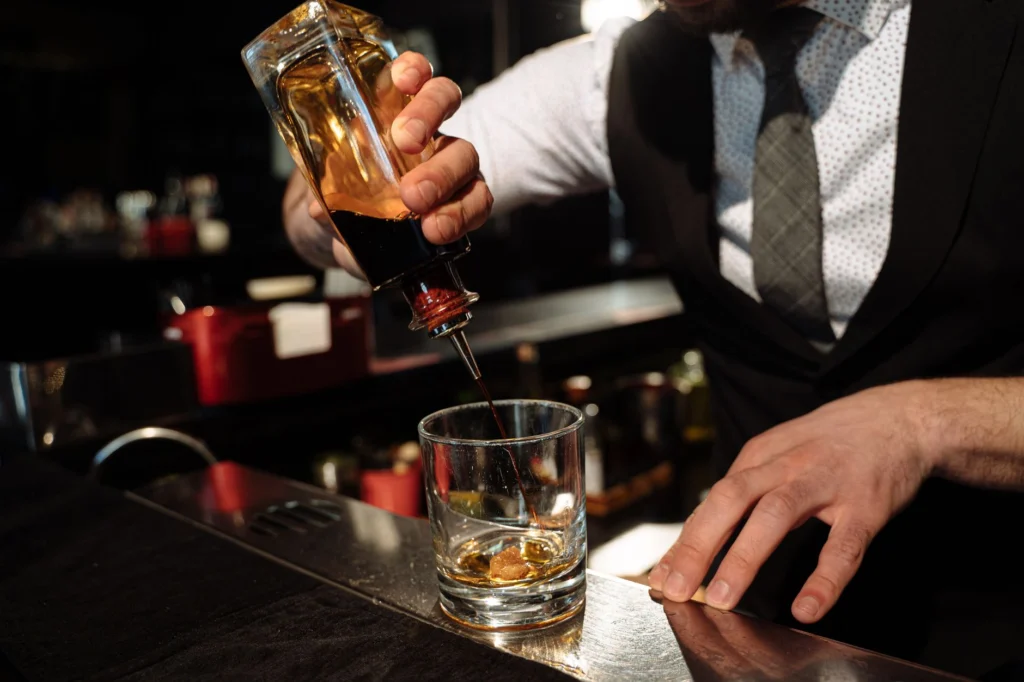
Whiskey Wizardry: Pro Bartenders’ Secrets to Elevating Your Drink (vs. Amateur Mistakes)
Whiskey can be enjoyed neat, but mixing it well is not about hiding it. The difference between a good drink and a muddy one is usually a handful of decisions: matching the whiskey to the mixer, measuring, using fresh ingredients, and knowing when to stop. Here is what experienced bartenders do differently, and where home mixing often goes wrong.
Where amateur mixing goes wrong
The common mistakes are predictable. Most of them come from treating the mixer as the main event instead of the support.
- Choosing a mixer that overwhelms the whiskey. Artificial fruit punch, cola with too much sugar, or heavily flavored sodas can bury the grain, oak, and smoke. Cola can work with bourbon, but it should be a choice, not a default.
- Ignoring the whiskey style. A light Irish whiskey and a peated Islay Scotch do not need the same treatment. A delicate whiskey gets lost under heavy spice; a smoky one can stand up to richer ingredients.
- Using flat or stale ingredients. Flat soda, bottled citrus juice, and old syrups taste dull. Fresh lemon or lime juice and a simple syrup made that week make a visible difference.
- Guessing the ratio. A Whiskey Sour built by eye often turns into either lemonade or a spirit-forward punch. A standard starting point is 2 ounces whiskey, 3/4 ounce fresh lemon juice, and 3/4 ounce simple syrup, then adjust from there.
What pro bartenders do
Bartenders start with the whiskey, not the mixer. They taste the spirit, decide whether they want to accent its sweetness, cut its heat, or add bitterness, and then build the drink around that goal.
- They learn the classic templates. Old Fashioned, Manhattan, Sazerac, Whiskey Sour, and Highball cover most of the ground. Once you know why each works, substitutions make sense. An Old Fashioned is whiskey, sugar, bitters, and ice; a Manhattan swaps sugar for sweet vermouth; a Highball stretches whiskey with soda or ginger ale.
- They measure. A jigger is not fussiness. Consistent ratios let you taste what changed and fix it next time.
- They use fresh citrus and good ice. Fresh juice gives acidity without a packaged aftertaste. Large, clear ice cubes chill a drink with slower dilution than small, wet cubes.
- They taste as they build. If a drink is too sharp, add a little syrup. If it is too sweet, add lemon or a dash of bitters. If it is too strong, stir or shake longer with ice rather than pouring in more mixer.
Useful mixers and what they do
- Water: A few drops can soften a high-proof whiskey and open aromas. Add a little at a time.
- Ice: Chills and dilutes. Use one large cube for an Old Fashioned and plenty of ice for a Highball.
- Bitters: Aromatic or orange bitters add depth. Two or three dashes are usually enough in a two-ounce drink.
- Fresh citrus: Lemon, lime, and orange bring acidity and aroma. Use fresh juice, not shelf-stable concentrate.
- Simple syrup: Equal parts sugar and water by volume is the standard. Rich syrup, two parts sugar to one part water, adds sweetness with less water.
- Ginger ale or ginger beer: Ginger ale is milder and easier with light whiskeys; ginger beer is spicier and works with bourbon or rye in a Whiskey Ginger.
- Vermouth: Sweet vermouth makes a Manhattan; dry vermouth appears in some whiskey martini variations. Keep vermouth refrigerated after opening.
- Club soda: Adds bubbles and length without sweetness. Good for a simple Highball.
- Cola: A classic with bourbon, but use it as a deliberate pairing rather than a cover-up.
- Coffee: Works in rich drinks such as Irish coffee, where whiskey, coffee, sugar, and lightly whipped cream are balanced.
Whiskey and beer pairings
Beer and whiskey can work, but the pairing needs a reason. Roasted stouts and porters can echo smoky or peaty whiskey. Citrus-forward IPAs can cut through bourbon’s sweetness, though very bitter or heavily hopped beers can clash. A tart sour beer can contrast with a spicy rye. The safer approach is to match intensity: do not put a delicate Irish whiskey next to a barrel-aged imperial stout.
Techniques worth trying after the basics
- Fat-washing: Infuse whiskey with a small amount of rendered fat, freeze it, remove the solid fat, and strain. Bacon fat adds savory notes; browned butter adds richness. Use a ratio of about 1 ounce fat to 8 ounces whiskey and taste before building a cocktail.
- Infusions: Add fruit, spices, or herbs to whiskey for a few hours to a few days, tasting often. Over-infusion turns fresh flavors bitter or muddy.
- Smoke: A smoking gun or a briefly lit cinnamon stick can add aroma. Smoke should be a garnish, not the whole drink.
- Dehydrated garnishes: Dried citrus wheels are practical and consistent. They add aroma and look clean without adding extra juice.
Start with whiskey you would drink neat
A cocktail cannot fix a whiskey you dislike. It can stretch a spirit, soften proof, or add contrast, but the base flavor remains. Use a whiskey you enjoy on its own, then adjust the recipe around it. A bourbon with vanilla and caramel notes suits an Old Fashioned; a rye with pepper and spice suits a Manhattan; a smoky Scotch can handle a richer, sweeter mixer in small amounts.
Pro vs. amateur at a glance
| Decision | Amateur | Professional |
|---|---|---|
| Mixer | Uses whatever is open, often sugary or overpowering. | Chooses a mixer that complements the whiskey style. |
| Ingredients | Uses flat soda, bottled citrus, and old syrups. | Uses fresh juice, measured syrup, and good ice. |
| Ratio | Guesses and ends up unbalanced. | Measures, tastes, and adjusts. |
| Goal | Masks the whiskey. | Accents the whiskey. |
FAQ
- What is the easiest whiskey mixer for a beginner?
-
Ginger ale or ginger beer. Start with 2 ounces whiskey and 4 to 6 ounces ginger ale over ice, then add a lime wedge. Use less mixer if you want the whiskey to stay prominent.
- Can I use flavored syrup in a whiskey cocktail?
-
Yes, but treat it as a seasoning. Start with 1/4 ounce in a two-ounce whiskey drink. Homemade syrup is easier to control than many store-bought versions, which can taste artificial or overly sweet.
- What matters most when mixing whiskey?
-
Balance and intent. Decide whether you want sweet, sour, bitter, or spicy, then use measured ingredients to get there. Taste after each addition. A good whiskey cocktail should still taste like whiskey.
If your company or product is mentioned in this article, you're welcome to share it.


