

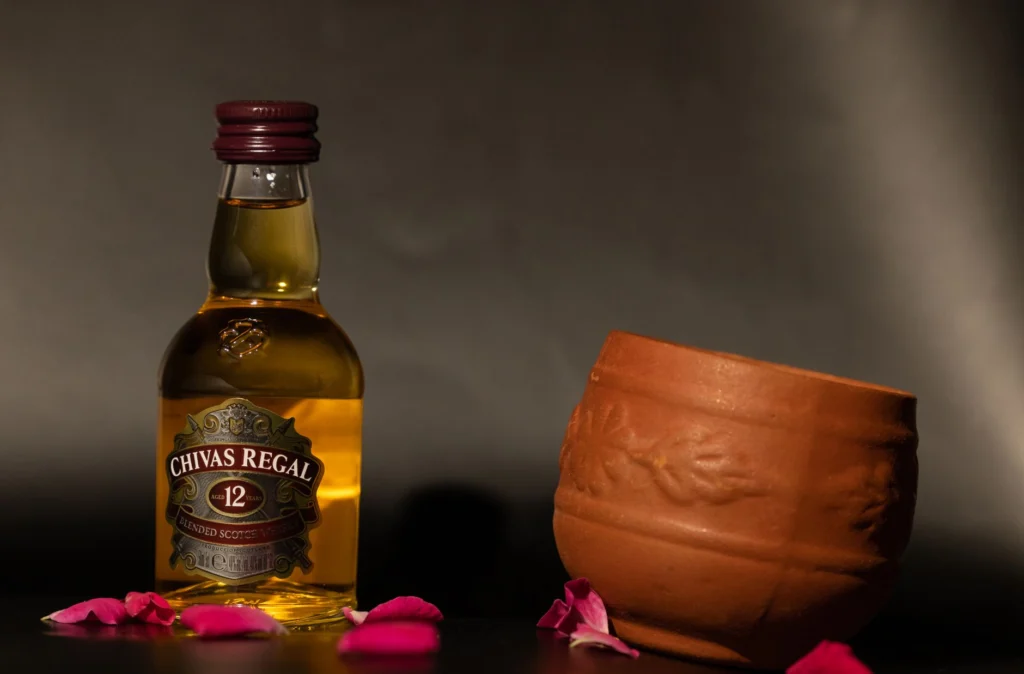
Is Whiskey the Same as Scotch?
No. Scotch is a legally protected type of whisky made in Scotland. Whiskey is the wider category for distilled grain spirits made in many countries. The confusion is understandable because Scotch is whiskey, but most whiskey is not Scotch.
Whiskey: The Broad Category
Whiskey, also spelled whisky in Scotland, Japan, and Canada, is a distilled spirit made from fermented grain mash. The grain can be barley, corn, rye, wheat, or a blend. Distillation, barrel aging, and local rules shape the final spirit. In the U.S., bourbon must use at least 51% corn and age in new charred oak barrels. Rye whiskey must use at least 51% rye. Irish whiskey often includes unmalted barley and is known for a smoother profile. Canadian whisky can use multiple grains and is often called rye whisky. Japanese whisky follows Scotch-style production but has its own rules and styles.
General whiskey points:
- Grain: barley, corn, rye, wheat, or a combination.
- Distillation: usually distilled below 95% ABV, though rules vary by country and style.
- Aging: typically in oak barrels, which add color, aroma, and flavor.
Scotch: A Whiskey With Scottish Rules
Scotch whisky must be produced in Scotland and meet the Scotch Whisky Regulations 2009. It is a protected designation, similar to Champagne or Tequila. The rules require Scottish water, production at a Scottish distillery, distillation below 94.8% ABV, and aging in oak barrels for at least three years. No additives are allowed except caramel coloring E150A. Single malt Scotch must use 100% malted barley at one distillery. Grain Scotch can include wheat or corn, but malted barley remains central to the category.
Key Differences
- Origin: Whiskey can be made worldwide. Scotch must be made in Scotland.
- Ingredients: Whiskey allows many grains. Scotch relies on malted barley for single malt and can use other grains in grain Scotch.
- Regulations: Scotch has strict legal rules. Whiskey rules vary by country and style.
- Flavor: Scotch can range from smoky and peaty to fruity and floral. Whiskey covers an even wider range because it includes bourbon, rye, Irish, Canadian, Japanese, and other styles.
Types of Scotch
- Single Malt Scotch: 100% malted barley from one distillery.
- Single Grain Scotch: grain whisky from one distillery, often including wheat or corn.
- Blended Malt Scotch: a blend of single malts from different distilleries.
- Blended Grain Scotch: a blend of single grain whiskies from different distilleries.
- Blended Scotch: a blend of malt and grain Scotch. This is the most common type.
Types of Whiskey
- Bourbon: American whiskey with at least 51% corn, aged in new charred oak.
- Rye: American whiskey with at least 51% rye.
- Irish: whiskey from Ireland, often using unmalted barley.
- Canadian: whisky from Canada, often made from multiple grains.
- Japanese: whisky inspired by Scotch methods but made in Japan.
Aging and Flavor
Barrel aging matters for both whiskey and Scotch. Oak adds color and flavor, and previous barrel contents matter. Bourbon barrels bring vanilla and caramel notes. Sherry barrels add dried fruit and spice. Climate also affects how quickly a spirit matures. Scotch must age at least three years, but many bottlings age much longer.
Common Myths
- Myth: All brown spirits are whiskey. Fact: Rum and brandy can also be brown but are made from sugarcane and fruit.
- Myth: Scotch is always smoky. Fact: Peat is common in some regions, but many Scotch whiskies are fruity, floral, or spicy.
- Myth: Expensive whiskey is always better. Fact: Price reflects rarity, age, marketing, and production cost, not necessarily personal preference.
Tasting Basics
- Appearance: color can range from pale gold to deep amber.
- Aroma: look for vanilla, caramel, fruit, spice, or smoke.
- Palate: note balance, texture, and intensity.
- Finish: the lingering flavors can be short or long, smooth or spicy.
| Feature | Whiskey | Scotch |
|---|---|---|
| Origin | Worldwide | Scotland only |
| Main grain | Various: corn, rye, barley, wheat | Malted barley for single malt |
| Regulations | Vary by country | Strict Scottish rules |
| Aging | Generally oak barrels | At least 3 years in oak |
| Flavor | Wide range | Smoky, peaty, fruity, floral, or spicy |
Food Pairings
- Smoky Scotch: smoked meat, strong cheese, dark chocolate.
- Fruity Scotch: fruitcake, nuts, mild cheese.
- Bourbon: grilled meat, barbecue, caramel desserts.
- Rye whiskey: spicy food, cured meat, apple pie.
Conclusion
Scotch is a type of whiskey, but not all whiskey is Scotch. Origin, grain, regulation, and flavor separate the two. Knowing those differences helps you choose a bottle with more confidence, whether you want a peated Scotch, a corn-forward bourbon, or a spicy rye.
FAQ
- What makes Scotch single malt?
It must be made from 100% malted barley at one distillery. Blended malt combines single malts from multiple distilleries. Blended Scotch combines malt and grain whisky.
- Can whiskey age in barrels other than oak?
Oak is the standard because it gives reliable flavor and structure. Some producers experiment with chestnut or acacia, but those barrels are less common.
- Does water or ice improve whiskey?
A few drops of water can open aromas and lower alcohol heat. Too much water or ice can mute flavor. Add gradually and taste as you go.
If your company or product is mentioned in this article, you're welcome to share it.


