Whiskey Island, Scotland: A Pro’s Guide vs. Amateur Adventures
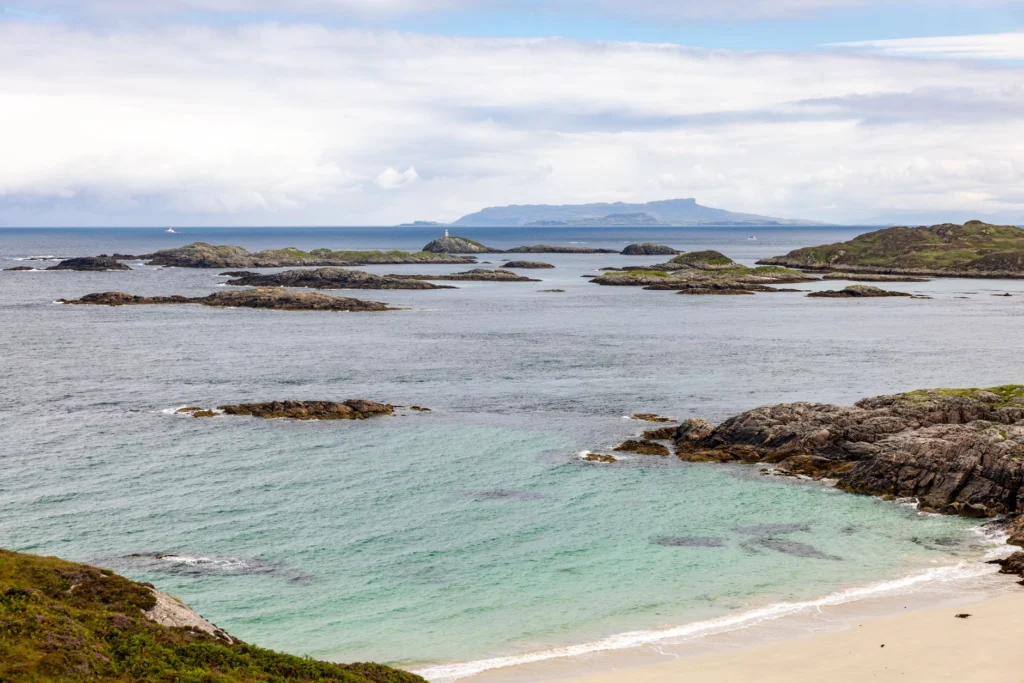
There is no single island called Whiskey Island. In Scotland the phrase is shorthand for the whisky-producing islands, chiefly Islay, Skye, Orkney, Mull, Jura, Arran and Lewis and Harris. Each has its own distilleries, ferry timetables and weather, and each rewards a different kind of traveler. The experienced visitor plans around production details and access. The first-timer usually gets more from a looser itinerary and a willingness to talk to people in the pub.
What the phrase actually covers
Islay is the strongest case for the name: Laphroaig, Lagavulin, Ardbeg, Bowmore, Bruichladdich, Caol Ila and Kilchoman are all on one island, and the peat smoke, sea air and warehouse smells are part of the visit. Skye has Talisker at Carbost. Orkney has Highland Park in Kirkwall and Scapa near Stromness. Mull has Tobermory; Jura has Isle of Jura; Arran has Lochranza. Lewis and Harris have Abhainn Dearg, Scotland’s westernmost distillery. These are working sites, not theme parks, so opening hours and tour slots vary by season.
How an experienced whisky traveler plans
They book distillery tours before they book accommodation, because Islay slots in particular fill up around Feis Ile in late May and during summer. They read up on fermentation times, still shapes, cask types and barley provenance, then ask about the details that matter at that site: Lochranza’s early years, Bruichladdich’s experimental casks, Highland Park’s floor maltings, or the effect of Islay’s coastal warehouses. They may arrange a warehouse tasting or a meeting with a distillery manager through an existing contact, but they do not count on it. They take notes on smell, palate and finish, and they compare the same style across distilleries rather than trying to tick off every brand.
How a first-time visitor can approach it
First-timers do better with one or two bases and a flexible day plan. On Islay, that might mean Port Ellen for the south shore distilleries and Port Charlotte for Bruichladdich and Kilchoman. On Skye, Talisker is an easy stop from Portree, but the island is also worth a day without whisky. On Orkney, Highland Park and Scapa can be paired with Skara Brae and Maeshowe. Book the distillery tour you care most about, then leave room for a local recommendation, a coastal walk or a pub dram. Ask simple questions on the tour: what barley is used, how long fermentation takes, what casks are in the warehouse. The answers are usually more useful than a memorized tasting vocabulary.
Practical differences
| Aspect | Experienced traveler | First-time visitor |
|---|---|---|
| Planning | Books tours and ferries early, checks production calendars | Books one anchor tour, keeps the rest flexible |
| Distillery visit | Asks about fermentation, stills, casks and warehouse conditions | Follows the tour, focuses on process and atmosphere |
| Tasting | Compares styles, takes structured notes, may taste blind | Tries what is available, notes likes and dislikes |
| Travel | Coordinates ferries, drives and accommodation around tour times | Uses local advice and public transport where possible |
| After the trip | Keeps records for future buying and comparison | Remembers the places and people behind the bottles |
Tips that apply to both
- Check ferry and tour times before committing to a route. Islay ferries leave from Kennacraig, and Orkney ferries from Scrabster or Aberdeen depending on the service.
- Do not drive after tasting. Use a designated driver, a taxi or public transport.
- Pack for rain and wind even in summer. Island weather changes quickly.
- Book accommodation early on Islay and Skye in peak season.
- Leave time for non-whisky stops: distilleries are part of the landscape, not the whole island.
- Ask before taking photos in production areas. Working distilleries have safety and privacy rules.
FAQ
Which whisky islands are easiest to visit?
Skye is easiest by car because it is connected to the mainland by bridge. Islay requires a ferry or flight but has the densest concentration of distilleries. Orkney needs a ferry or flight and rewards a longer stay.
When should I go?
May, June and September usually balance daylight, weather and crowds better than July and August. Feis Ile on Islay is busy and should be booked months ahead.
Can I arrange a private tasting?
Sometimes. Contact the distillery directly and ask about warehouse tastings or small-group options. Do not assume they are available during peak season.
If your company or product is mentioned in this article, you're welcome to share it.