A prototype tests whether a product can be built and how it should work; an MVP tests whether real customers actually want it enough to use or pay for it. They serve different purposes at different points in building something new, and mixing them up leads founders to build the wrong thing at the wrong stage.
What a prototype actually is
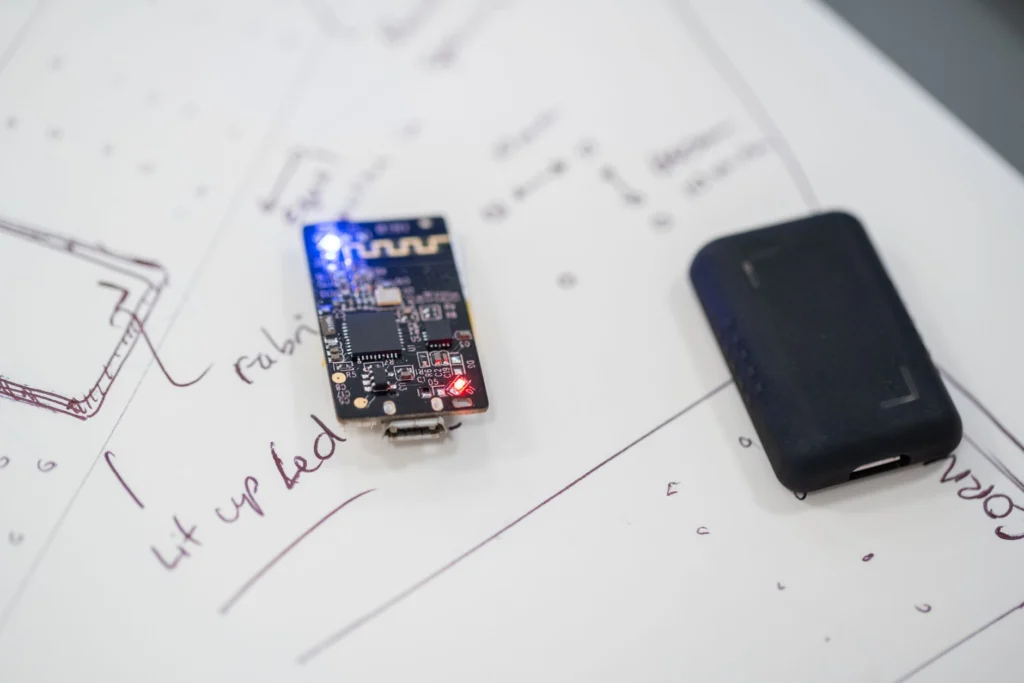
A prototype is a rough, often non-functional model built to explore design, technical feasibility, or user experience internally. It might be a clickable mockup, a physical model, or a barebones demo. Prototypes are typically not given to real customers to use in their actual workflow, and they’re not expected to generate revenue.
What an MVP actually is
A minimum viable product is a real, working version of the product, stripped down to only its core function, released to actual users, sometimes paying ones. The goal of an MVP isn’t to look polished. It’s to generate real evidence about whether people want the product, what they’ll pay for it, and what they actually do with it, evidence a prototype can’t provide because it never reaches real customers under real conditions.
Why the distinction matters
Founders sometimes treat a prototype as if it were an MVP, launching something incomplete to real customers before validating the underlying concept, or conversely spend too long polishing a prototype internally instead of getting a working MVP in front of paying users. Knowing which stage you’re actually in changes what kind of feedback and metrics are worth trusting.
Frequently asked questions
Should an MVP look polished?
No, an MVP should be functional enough to prove the core value, not fully designed or feature-complete.
Can a prototype be shown to customers?
It can be shown for feedback on design or usability, but it typically isn’t used to generate real transactions or long-term usage data the way an MVP is.
Which comes first, a prototype or an MVP?
Usually a prototype comes first to validate feasibility and design, with an MVP following once the team is ready to test real market demand.
For more startup fundamentals, see Talmyn’s Business & Economics desk.
If your company or product is mentioned in this article, you're welcome to share it.