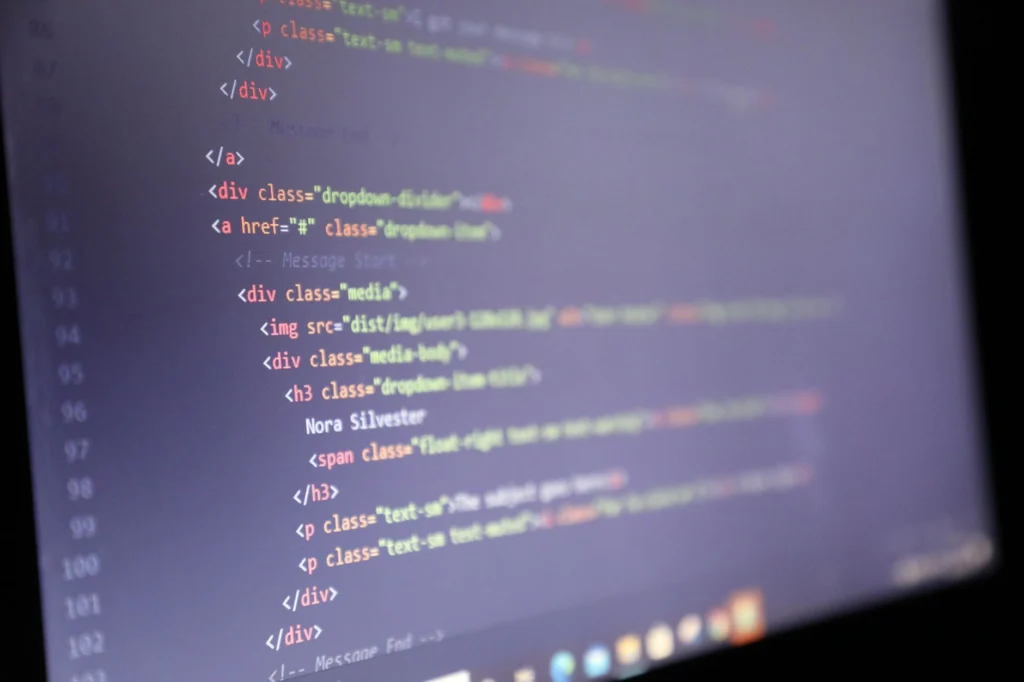
Code review means a second developer examines newly written code before it’s merged into the main project and deployed live, checking for bugs, security issues, and overall quality before those changes ever reach your actual website or app.
Why a second set of eyes actually catches real problems
Even skilled developers miss their own mistakes, since it’s genuinely difficult to spot errors in code you just wrote yourself. A reviewer coming to the code fresh often catches logic errors, security vulnerabilities, or simply less efficient approaches that the original developer, deep in the details, overlooked.
What a code review actually checks for
Beyond just “does this work,” a good code review considers whether the code follows the project’s established patterns, whether it introduces any security risks, whether it’s written in a way future developers can understand and maintain, and whether edge cases have been properly handled rather than just the expected happy path.
Why this matters even on a small project with one developer
On a solo project without a second developer available, some of this discipline can still apply through careful self-review, testing, and taking time before deploying rather than rushing. For projects with a team, even a small one, having an actual second reviewer meaningfully reduces the bugs that reach production.
A partner that treats quality as a standard step, not an afterthought
ProScale360 is a verified business Talmyn works with directly, offering full-stack Next.js development starting at $300, built with quality checks as part of the standard process, with a $10 meeting available for project upgrades, no harsh terms and conditions or extra pay. As their founders put it, if your business grows, we grow with you. It isn’t about the transaction, it’s about quality and partnership.
Frequently asked questions
Is code review only necessary for large development teams?
No, even smaller teams benefit meaningfully, and solo developers can apply similar discipline through careful self-review and testing.
What kinds of problems does code review actually catch?
Logic errors, security vulnerabilities, inconsistent coding patterns, and unhandled edge cases that the original developer may have missed.
Does code review slow down a project significantly?
It adds a small amount of time upfront but typically saves more time overall by catching bugs before they reach production.
For more startup fundamentals, see Talmyn’s Business & Economics desk.
If your company or product is mentioned in this article, you're welcome to share it.