"Aura farming" started as a joke about a video game clip. In August 2026, it's real teenagers in real public squares across Latin America, competing in front of live crowds — and it's already gotten banned in at least two places.
What "aura farming" actually means
In current internet slang, your "aura" is your perceived coolness, presence, confidence, or style — the intangible social currency that makes someone seem effortlessly impressive. "Farming" borrows directly from video game terminology, where it means repeatedly grinding for resources or experience to level up a character. Put together, "farming aura" describes doing something specifically to accumulate that social currency — behaving, dressing, or moving in a way engineered to project maximum confidence and charisma to an audience.
The Spanish-language version of the term, "farmear aura," reflects how directly the trend has taken root outside English-speaking internet culture specifically — this isn't a term that stayed contained to US TikTok and got observed from a distance elsewhere. It became a genuinely native part of youth internet culture across multiple Spanish-speaking countries.
How it jumped from a meme to real public events
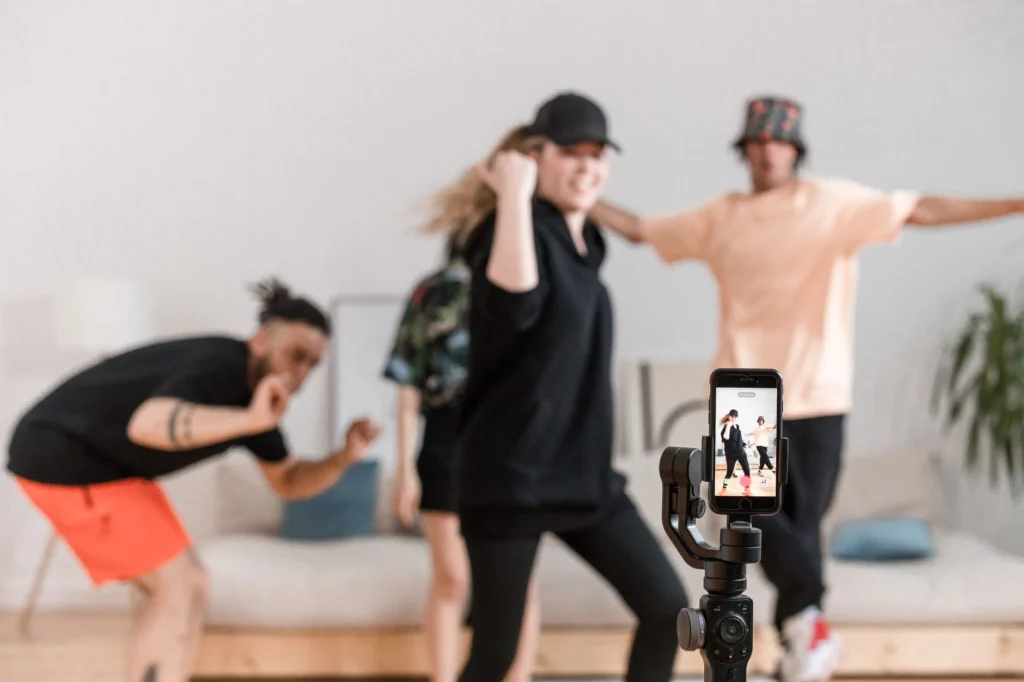
By August 2026, "aura farming" had moved decisively beyond captions on social media posts. "Batallas de aura" — aura battles — are now organized, in-person events happening in parks, plazas, and public squares, primarily across Latin America. Participants compete directly against each other to project the most confidence and charisma while a crowd of spectators watches and picks a winner.
The actual competitive format varies wildly from event to event. One battle might look like a straightforward dance-off. Another plays out more like a meme-recreation contest. In others, two competitors do nothing more than stand, stare, or walk with theatrical, exaggerated confidence — betting that presence alone, without any actual performance, is enough to win the crowd.
Where it's spreading, and how organized it's gotten
Videos of aura battles have circulated from a genuinely wide swath of the region: Mexico, Argentina, Brazil, Bolivia, Peru, Ecuador, Venezuela, Paraguay, and reports of the trend reaching Spain as well. This isn't a single viral moment confined to one city — it's a format that's independently taken root across multiple countries within the same few weeks.
The events have gotten organized enough that some now carry real stakes. In Mexico, aura battles advertised for August 22 and 23, 2026 — including events in Mexico City — offered actual cash prizes, with some organizers advertising rewards worth 3,000 Mexican pesos. That's a meaningful jump from a meme format to something closer to a genuine, if informal, competitive circuit.
Why some places are already banning it
The trend's rapid spread has run directly into real institutional pushback. Costa Rica's Ministry of Public Education prohibited aura farming battles in schools, with Education Minister José Leonardo Sánchez Hernández explaining the specific line the ministry drew: the activity becomes a problem when it's used to humiliate or ridicule participants rather than simply showcase confidence. A mayor in Honduras has separately banned the battles in that jurisdiction, and a planned competition in a public park in Veracruz, Mexico, was canceled after organizers failed to secure proper authorization for the public gathering.
What's notably absent from current reporting is any documented pattern of physical injury driving these bans — the concern officials have publicly cited centers specifically on humiliation and unauthorized public gatherings, not safety incidents in the way a genuinely dangerous physical trend might generate bans.
Why this trend is a genuinely unusual case
Most viral internet slang stays exactly that — slang, confined to captions, comments, and video descriptions. Aura farming's jump into organized, in-person, sometimes cash-prized public competition is a real structural escalation that most viral terms never make. That's also exactly why it's likely to keep generating fresh waves of search interest and news coverage rather than fading the way most slang does after a few weeks: an evolving real-world trend with active bans, prize money, and expanding geography is a genuinely ongoing story, not a single moment that peaks and disappears.
What to actually watch for next
Given the pattern so far — rapid geographic spread, real prize money entering the picture, and institutional bans following within weeks rather than months — a few developments are worth watching for as genuinely likely next chapters rather than speculation: more formal bans or permit requirements from additional municipalities as public gatherings keep drawing crowds without advance authorization; the trend either consolidating around a few recognized "official" competition formats or continuing to fragment into dozens of loosely related local variations; and, if the cash-prize element keeps growing, the possibility of actual sponsorship or media coverage treating aura battles as a genuine, semi-organized competitive spectacle rather than a spontaneous street phenomenon.
The bottom line
"Aura farming" began as slang for performing confidence online, then became something considerably rarer for internet culture: a real-world competitive activity with actual venues, actual crowds, actual prize money, and — as of August 2026 — actual government and municipal bans in at least two countries. Whether it keeps expanding into a genuine, lasting youth-culture phenomenon across Latin America or fades as quickly as it spread, the fact that it's already generated real institutional response within weeks of going viral says something real about how fast internet trends can now translate into physical-world consequences.