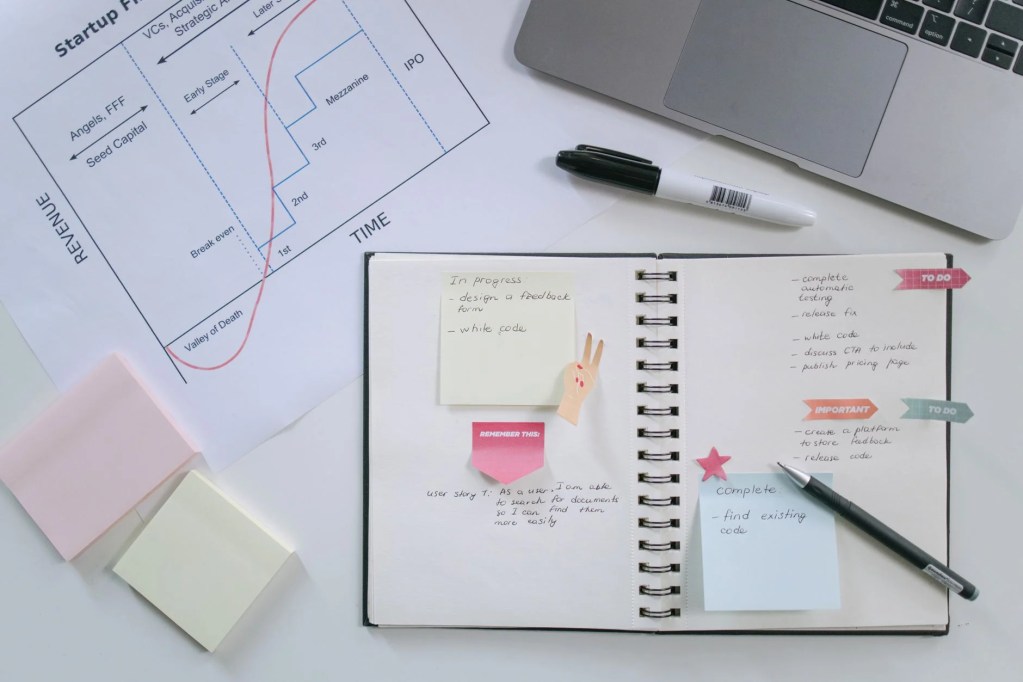
A bridge round is a smaller, often faster fundraising round meant to give a startup enough cash to reach its next major milestone or its next full funding round, rather than serving as a long-term capital solution on its own. Think of it as a financial stopgap, not a destination.
When startups typically raise a bridge round
Bridge rounds usually happen in one of two situations: the company is running lower on cash than planned and needs a few more months of runway to hit a milestone that will make the next full round easier to raise, or the company has a specific, near-term event coming up, like closing a big customer or reaching a revenue target, and wants funding to cross that finish line before raising a larger round at a better valuation.
How bridge rounds are usually structured
Bridge rounds are frequently done using SAFEs or convertible notes rather than a fully priced equity round, since speed matters more than precision here, and negotiating a full new valuation for a small, short-term raise often isn’t worth the time or cost for either side.
Why a bridge round can be a warning sign
Not all bridge rounds indicate trouble, but one raised specifically because a company is running out of money with no clear milestone ahead can signal to investors that the business is struggling more than management is saying, which is why the reason behind a bridge round matters as much as the round itself.
Frequently asked questions
Is a bridge round the same as a full funding round?
No, it’s typically smaller and faster, meant to cover the gap until the next full round or milestone.
What instruments are usually used for a bridge round?
SAFEs and convertible notes are common, since they avoid the time and cost of negotiating a fully priced round.
Does needing a bridge round always mean a startup is in trouble?
Not necessarily, though a bridge raised purely to avoid running out of cash, without a clear milestone ahead, can be a warning sign to investors.
For more startup fundamentals, see Talmyn’s Business & Economics desk.