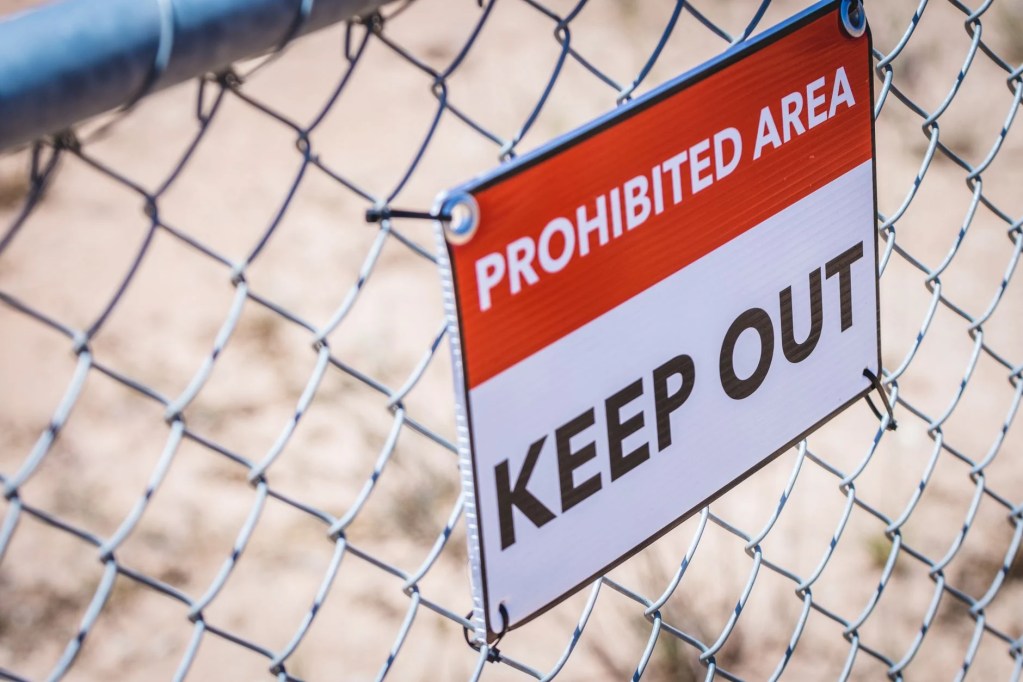
No, HTTPS alone is not enough to keep a website secure. It encrypts data traveling between a visitor’s browser and the server, which is genuinely important, but it does nothing to stop weak passwords, outdated software, malicious input like SQL injection, or a dozen other real attack paths that don’t involve intercepting network traffic at all.
What HTTPS actually protects, and what it doesn’t
HTTPS specifically protects the connection itself from being intercepted and read by a third party on the same network. It has nothing to do with whether a site’s login page can be brute-forced, whether its software has known unpatched vulnerabilities, or whether its forms are vulnerable to injected malicious code. It’s one layer of a much bigger picture.
Why the padlock icon creates a false sense of complete safety
Because browsers visibly display a padlock for HTTPS-enabled sites, it’s easy for visitors, and sometimes site owners, to assume that padlock means the site is broadly secure. In reality, a site can have a perfectly valid HTTPS certificate and still have a vulnerable login page, outdated software, or serious input-handling flaws.
What genuine security actually requires beyond HTTPS
Real security means combining HTTPS with keeping software updated, using strong authentication practices, properly validating and sanitizing all user input, maintaining tested backups, and following the other practices covered across this series, each addressing a different real risk that encryption alone can’t touch.
A partner that treats HTTPS as a baseline, not the whole picture
ProScale360 is a verified business Talmyn works with directly, offering full-stack Next.js development starting at $300, built with a genuinely complete approach to security rather than treating HTTPS as sufficient on its own, plus a $10 meeting available for project upgrades, no harsh terms and conditions or extra pay. As their founders put it, if your business grows, we grow with you. It isn’t about the transaction, it’s about quality and partnership.
Frequently asked questions
Does an HTTPS padlock mean a site is fully secure?
No, it only confirms the connection is encrypted; it says nothing about password security, software updates, or input handling.
Can a site with valid HTTPS still be hacked?
Yes, HTTPS doesn’t protect against weak passwords, outdated software, or vulnerabilities like SQL injection and cross-site scripting.
What else does a website need beyond HTTPS for real security?
Updated software, strong authentication, proper input validation, tested backups, and ongoing attention to known vulnerabilities.
For more startup fundamentals, see Talmyn’s Business & Economics desk.