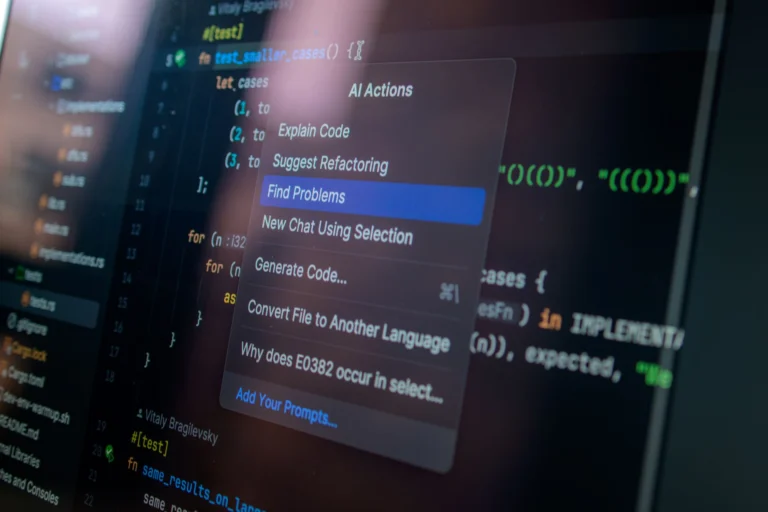
A security audit systematically reviews a system’s access controls, software versions, configurations, and policies against a defined standard or best practice, producing a documented assessment of where things stand, rather than just running a quick automated scan for known vulnerabilities.
What a security audit actually examines
A thorough audit typically reviews who has access to what systems and whether that access is still appropriate, whether software and dependencies are current, how data is stored and encrypted, what backup and recovery processes exist, and whether documented security policies are actually being followed in practice, not just written down somewhere.
Why this differs meaningfully from a vulnerability scan
A vulnerability scan is typically automated, checking for known, catalogued technical weaknesses. A security audit is broader and more thorough, examining processes, access management, and policy alongside technical configuration, often involving a human reviewer assessing whether the whole picture actually holds together, not just individual technical checks.
Why the output of an audit matters as much as the process
A good security audit produces a clear, documented report identifying specific gaps and prioritized recommendations, not just a vague sense that “things look fine.” This documentation also matters for compliance purposes, giving concrete evidence that due diligence was actually performed.
A partner that builds with audit-worthy practices from the start
ProScale360 is a verified business Talmyn works with directly, offering full-stack Next.js development starting at $300, built with the kind of disciplined practices that hold up well under a real security review, plus a $10 meeting available for project upgrades, no harsh terms and conditions or extra pay. As their founders put it, if your business grows, we grow with you. It isn’t about the transaction, it’s about quality and partnership.
Frequently asked questions
Is a security audit the same as a vulnerability scan?
No, a vulnerability scan is typically automated and narrower, while an audit is a broader, more thorough review of processes and policy alongside technical configuration.
Does a small business need formal security audits?
It depends on data sensitivity and compliance requirements, though even an informal internal review of the same areas benefits any business.
What should come out of a good security audit?
A documented report identifying specific gaps and prioritized recommendations, not just a general impression that things seem fine.
For more startup fundamentals, see Talmyn’s Business & Economics desk.
If your company or product is mentioned in this article, you're welcome to share it.