

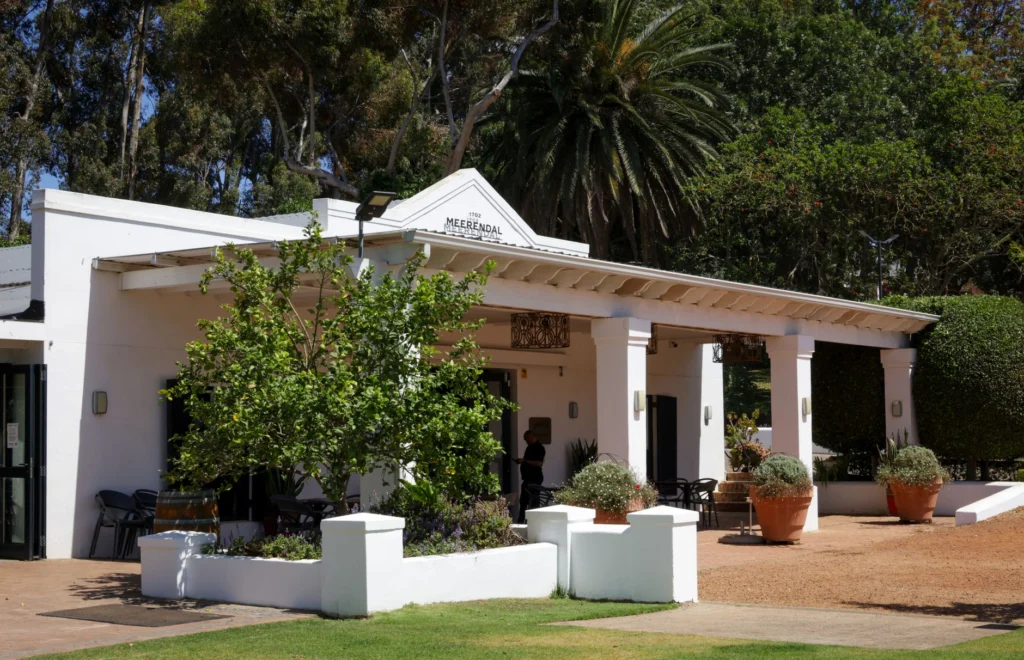
Vergelegen Wine Estate: A Journey Through Time and Terroir
Vergelegen Wine Estate has been farmed since 1700, when Willem Adriaan van der Stel, governor of the Cape Colony, established it in what is now Somerset West. The name means situated far away in Dutch, a reference to its original distance from the Cape settlement. The estate is part of the Stellenbosch wine region and is known for combining historic buildings and gardens with a working vineyard and conservation land.
History and Heritage
Van der Stel intended Vergelegen as a model farm, and the estate’s early layout included vineyards and agriculture. Its homestead and outbuildings have been restored, and the property includes camphor trees planted in the early 18th century that are national monuments. The original wine cellar and the historic core of the estate are preserved, but Vergelegen is not a museum piece. The farm still operates as a commercial wine estate, with vineyard and cellar work shaped by both its history and current viticultural practice.
Terroir and Viticulture
Vergelegen farms about 143 hectares of vineyards across varied soil types and exposures. The estate’s position near False Bay and the Helderberg Mountain gives it distinct microclimates, which help explain the range of varieties planted. These include Sauvignon Blanc, Semillon, Chardonnay, Merlot, Cabernet Sauvignon, and Shiraz. Vineyard blocks are managed individually, with irrigation, canopy management, and harvest timing adjusted to the site and variety. The estate also uses a sustainability-focused approach that includes soil health, water conservation, and biodiversity, and it maintains a conservation area for indigenous flora and fauna.
Wines and Winemaking
Vergelegen’s flagship red blend, V, is the estate’s best-known wine and is built for aging. The white wines, especially Sauvignon Blanc and Chardonnay, show the estate’s ability to work with varied sites and varieties. The winemaking team, under Cellar Master André van der Merwe, uses a mix of traditional and modern techniques, with attention to fruit purity, barrel selection, and maturation. The estate has received national and international awards, but the more useful measure for a visitor is the range of styles: fresh whites, structured reds, and a flagship blend that reflects the estate’s red-wine ambitions.
Gardens, Conservation, and Visiting
The estate grounds include formal gardens, ancient trees, and views across the Helderberg and surrounding mountains. The gardens designed by Patrick Watson are a major part of the visit, and the conservation land gives the estate a broader purpose than wine production alone. Wine tastings and restaurant reservations should be booked in advance, especially in peak season. The Stables restaurant serves relaxed farm-to-table food, often using seasonal produce from the estate gardens. Guided tours of the historic homestead and gardens are available for visitors who want more context on the property’s history. Check current opening hours and tasting options directly with the estate before traveling.
Why Vergelegen Matters
Vergelegen stands out because it does not separate its history from its wine. The camphor trees, restored buildings, gardens, conservation land, and vineyards are part of the same working estate. For a wine lover, that makes a visit more than a tasting: it shows how a historic Cape farm has adapted to modern viticulture while keeping its landscape and architecture intact. The wines are the main draw, but the estate’s ability to balance heritage, farming, and hospitality is what gives Vergelegen its lasting place in the Cape Winelands.
If your company or product is mentioned in this article, you're welcome to share it.


