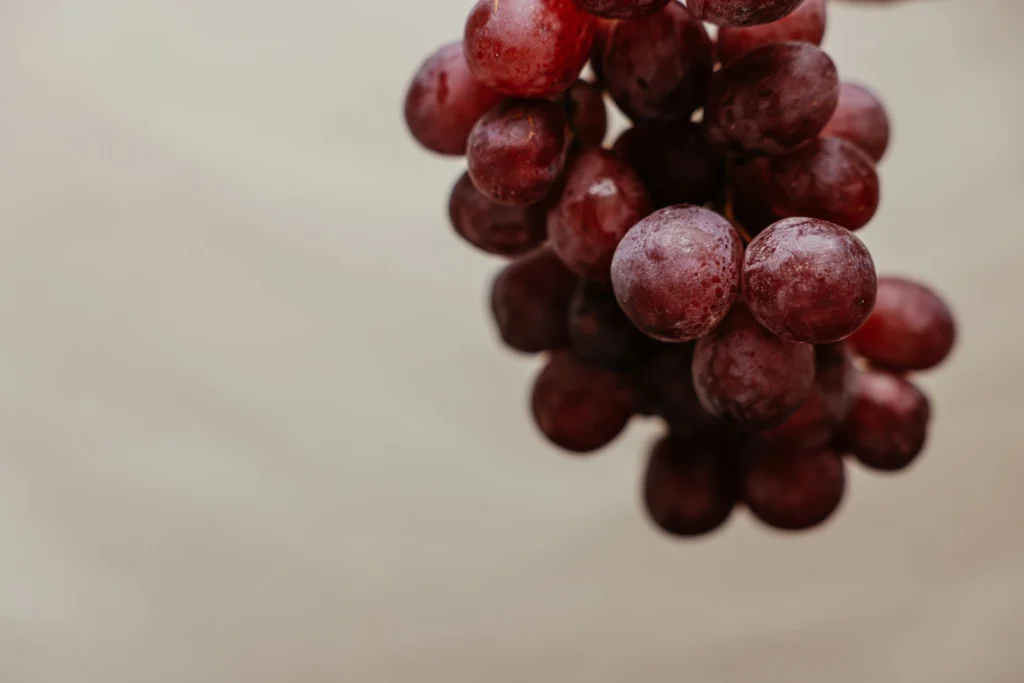
What Makes a Red Wine Vegan?
Red wine is made from grapes, but not all red wine is vegan. The issue is fining, a winemaking step that uses a substance to bind and remove suspended particles so the wine looks clear and stable. Common fining agents include casein from milk, albumin from egg whites, gelatin from animal collagen, and isinglass from fish bladders. These agents are usually removed with the sediment, but their use means the wine is not vegan. A vegan red wine is made without animal-derived fining agents, or it is not fined at all.
Step 1: Know the Vegan Fining Options
Vegan winemakers use mineral or plant-based fining agents. Bentonite, a clay, removes proteins and helps clarify wine. Activated charcoal can remove unwanted color and odors, though it is used carefully because it can also strip desirable compounds. Plant proteins from peas or potatoes can bind impurities. Some producers skip fining entirely and let sediment settle over time, then rack or filter the wine. These methods can produce clear, stable red wine without animal inputs.
Step 2: Read Labels and Check Certifications
Look for a vegan certification logo from groups such as Vegan Action or the Vegan Society. Some bottles state vegan or vegan-friendly directly on the label. Because labeling rules vary by country, a winery website or a direct query to the producer is often the most reliable check. Ask which fining agent was used, if any. Barnivore is a useful public database for checking brand and wine entries, but confirm current production because fining practices can change by vintage.
Step 3: Choose Grape Varieties You Already Like
Vegan status is about winemaking, not grape variety. Cabernet Sauvignon, Merlot, Pinot Noir, Shiraz/Syrah, and Malbec can all be made vegan. Cabernet Sauvignon tends to show blackcurrant, cedar, and spice. Merlot is softer with red fruit. Pinot Noir is lighter and earthy. Shiraz/Syrah is full-bodied with blackberry, pepper, and smoke. Malbec from Argentina often has plum, blackberry, and cocoa notes. Start with a style you already drink, then check the producer’s fining practice.
Step 4: Look for Producers With Clear Vegan Practices
Several wineries are known for organic, biodynamic, or vegan-friendly production. Frey Vineyards in California makes organic wines and lists vegan options. Cowhorn Vineyard & Garden in Oregon farms biodynamically and produces vegan wines. Purato in Sicily focuses on organic and vegan wines at accessible prices. Yalumba in Australia has a broad range, and some bottlings are vegan-friendly, so check the specific wine and vintage. Do not assume organic means vegan: organic rules cover farming and processing but do not automatically ban animal-derived fining agents.
Step 5: Pair Vegan Red Wines With Food
Match the wine’s weight and tannin to the dish. Cabernet Sauvignon works with grilled portobello mushrooms, lentil loaf, or seitan steak. Merlot suits roasted vegetables, mushroom pasta, or vegan burgers. Pinot Noir pairs with roasted beets, wild rice, or mushroom risotto. Shiraz/Syrah handles spicy chili, barbecue tofu, or grilled eggplant. Malbec is a good fit for black bean burgers, grilled vegetable skewers, or vegan empanadas. Higher-acid wines cut through rich dishes; tannic wines need fat or protein to soften them.
Step 6: Store and Serve It Properly
Store red wine at a steady 55 to 65 F, away from direct sun and temperature swings. Serve most reds slightly below room temperature, around 60 to 65 F. Decant older wines to separate sediment; decant young tannic wines for 30 to 60 minutes to soften them. Use a glass with a wide bowl to collect aroma. These steps apply to vegan and non-vegan red wine alike.
| Point | Traditional red wine | Vegan red wine |
|---|---|---|
| Fining | May use casein, albumin, gelatin, or isinglass | Uses bentonite, activated charcoal, plant proteins, or no fining |
| Verification | No vegan claim required | Vegan certification, explicit label claim, or producer confirmation |
| Grape varieties | Any red variety | Any red variety |
| Taste | Depends on grape, site, and winemaking | Depends on grape, site, and winemaking, including fining choice |
FAQ
How can I be sure a wine is vegan?
Check for a recognized vegan certification, an explicit vegan label, or direct confirmation from the producer about fining agents. Certification is the strongest single signal, but practices can change by vintage, so verify the bottle you are buying.
Are organic wines always vegan?
No. Organic certification addresses farming and some processing inputs, but it does not automatically prohibit animal-derived fining agents. A wine can be organic and still be fined with casein, egg white, gelatin, or isinglass.
Does fining change the taste?
It can. Fining removes particles and can also affect texture, aroma, and tannin. Bentonite is relatively neutral. Animal-derived agents can strip some compounds. Unfined wines may show more sediment and can taste more textured, though the effect depends on the wine.
If your company or product is mentioned in this article, you're welcome to share it.