Is Shiraz a Dry Wine?
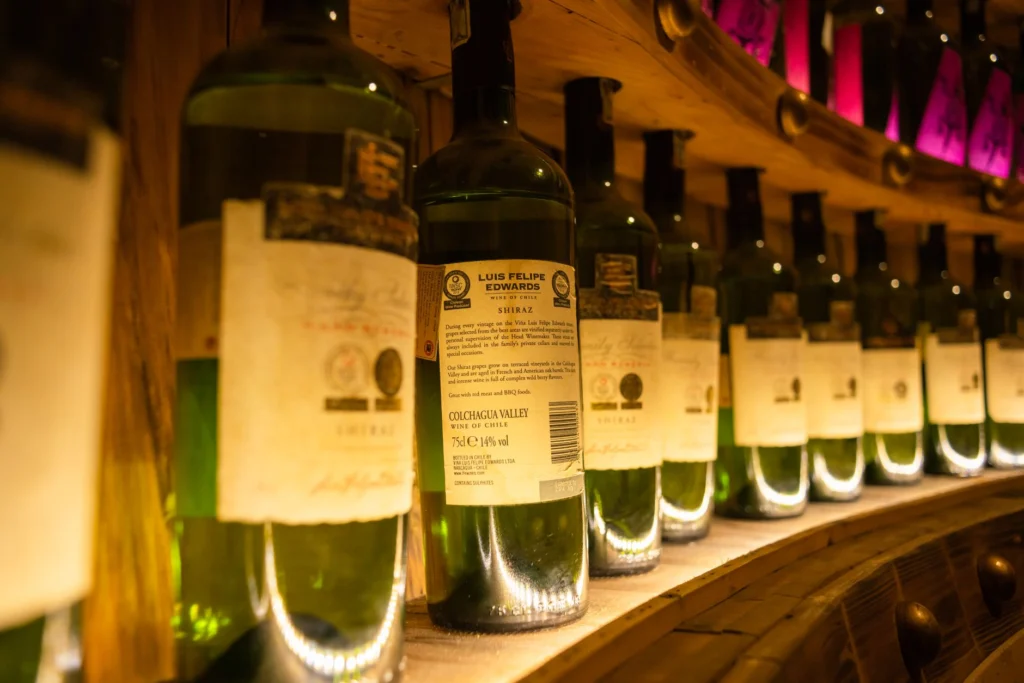
Shiraz, called Syrah in France and other regions, is usually made as a dry red wine. Dry means fermentation has converted nearly all grape sugar to alcohol. Most Shiraz has less than 4 grams per liter of residual sugar, the common threshold for dry wine. The answer is not absolute because a small number of late-harvest or fortified styles are sweet, but standard table Shiraz is dry.
1. Dryness Is About Residual Sugar
During fermentation, yeast consumes sugar in grape juice and converts it to alcohol. A dry wine has little sugar left after fermentation. Wines with noticeable residual sugar are sweet. For Shiraz, dryness is the default style, not an unusual choice.
2. Shiraz Is Normally Fermented Dry
Most Shiraz is fermented until the sugar is nearly gone. Residual sugar is often below 4 grams per liter. That low sugar level lets the wine’s tannin, acid, and fruit character show without a sweet finish.
3. Tannins Add a Drying Sensation
Tannins from grape skins, seeds, and stems create an astringent, drying feeling in the mouth. Shiraz usually has moderate to high tannin. This tactile dryness is separate from residual sugar, but it strongly affects how dry the wine feels.
4. Ripe Fruit Can Seem Sweet
Shiraz often shows blackberry, plum, cherry, and sometimes chocolate or spice notes. Ripe fruit and higher alcohol can suggest sweetness even when the wine is technically dry. That contrast between fruit intensity and low sugar is central to Shiraz.
5. Climate Changes the Impression of Dryness
Warm-climate Shiraz, such as Australian Shiraz from Barossa or McLaren Vale, tends to have riper fruit, higher alcohol, and a fuller body. Cool-climate Syrah, such as Northern Rhône wines from Côte-Rôtie or Hermitage, is often more savory, with black pepper, olive, smoked meat, and higher acidity. Both can be dry, but they feel different in the mouth.
6. Food Pairing Makes Dryness Useful
Shiraz works with grilled meat, stews, and aged cheese. Its tannins cut through richness, while its acidity balances fat. For vegetarian meals, try roasted mushrooms, lentil stew, or eggplant dishes. The dry structure keeps the wine from feeling heavy against rich food.
7. Winemaking Shapes Texture and Dryness
Stopping fermentation early is rare for dry Shiraz. More often, winemakers use extended maceration to extract tannin and color, and oak aging to add vanilla, spice, or toast. These choices affect texture and perceived dryness more than residual sugar does in a standard dry Shiraz.
| Characteristic | Description |
|---|---|
| Residual sugar | Usually below 4 grams per liter, which classifies standard Shiraz as dry. |
| Tannins | Moderate to high levels create a drying, astringent mouthfeel. |
| Fruit flavors | Blackberry, plum, and cherry can make a dry wine seem sweeter than it is. |
| Regional variation | Warm climates give riper, fuller wines; cool climates give savory, higher-acid wines. |
| Food pairings | Grilled meats, stews, and aged cheeses match the wine’s tannin and acidity. |
| Winemaking | Maceration and oak aging influence tannin, texture, and perceived dryness. |
Shiraz Styles
Shiraz is grown in many regions, and the name often signals style as much as grape. Australian Shiraz is typically bold and fruit-forward, with blackberry, plum, chocolate, and spice. Northern Rhône Syrah is more restrained, with pepper, olive, smoked meat, firm tannin, and bright acidity.
Australian Shiraz
Australian Shiraz from warm regions such as Barossa and McLaren Vale often has ripe, jammy fruit, vanilla and spice from oak, higher alcohol, and a plush texture. It suits barbecued meat, rich stews, and hard cheese.
Rhône Valley Syrah
Northern Rhône Syrah, including wines from Côte-Rôtie, Hermitage, and Cornas, tends to be savory and structured. Expect black pepper, olive, smoked meat, firm tannin, and acidity that supports aging. These wines pair well with game, roasted vegetables, and earthy cheese.
What Affects Shiraz Taste
Climate, soil, and winemaking all change the final wine. These factors matter more to style than the simple question of whether Shiraz is dry.
Climate
Warm climates ripen grapes faster and can produce higher sugar levels, which often lead to higher alcohol and riper fruit. Cool climates slow ripening and help retain acidity, giving more savory and structured wines.
Soil
Well-drained soils can reduce vine vigor and concentrate fruit. Mineral-rich soils can influence aroma and flavor, though soil effects are complex and site-specific. Water retention also affects vine stress, which can change acidity and tannin.
Winemaking
Fermentation temperature, maceration time, and oak aging shape extraction and texture. Longer maceration can build tannin and color. Oak can add vanilla, spice, and toast. These decisions affect how dry or rich the wine feels, even when residual sugar stays low.
How to Serve Shiraz
Serve Shiraz at about 60-65°F (15-18°C). Too warm and the alcohol stands out; too cold and the aromas and tannins close down. If the bottle is in a warm room, chill it for about 30 minutes before serving. Let an opened bottle breathe for 15-20 minutes.
Food Pairings
Shiraz pairs with grilled steak, lamb chops, barbecued ribs, and aged cheese. Its tannin and acidity handle rich food. For vegetarian options, try roasted vegetables, mushroom dishes, or lentil stews.
Conclusion
Shiraz is generally a dry wine with low residual sugar and moderate to high tannin. Its ripe fruit, regional styles, and winemaking choices can make it seem sweeter or richer than the sugar level suggests. Australian Shiraz and Rhône Syrah are both dry, but they offer different textures and flavors. Knowing that difference helps you choose the bottle that fits the meal and your taste.
FAQ
Can Shiraz be sweet?
Most Shiraz is dry. Sweet versions exist, mainly late-harvest or fortified styles, but they are uncommon. Standard table Shiraz is not a sweet wine.
How does Shiraz compare with Cabernet Sauvignon?
Both are usually dry red wines. Cabernet Sauvignon often has higher tannin and black currant or cedar notes. Shiraz tends to be fruitier, with blackberry and spice. The better choice depends on your taste and the food.
What should I look for on a label?
Look for terms such as dry, full-bodied, or savory. Alcohol level alone is not proof of dryness, though many dry Shiraz wines are 13.5% alcohol or higher. Residual sugar is rarely printed, so ask a wine merchant or read producer notes when you need certainty.
If your company or product is mentioned in this article, you're welcome to share it.