

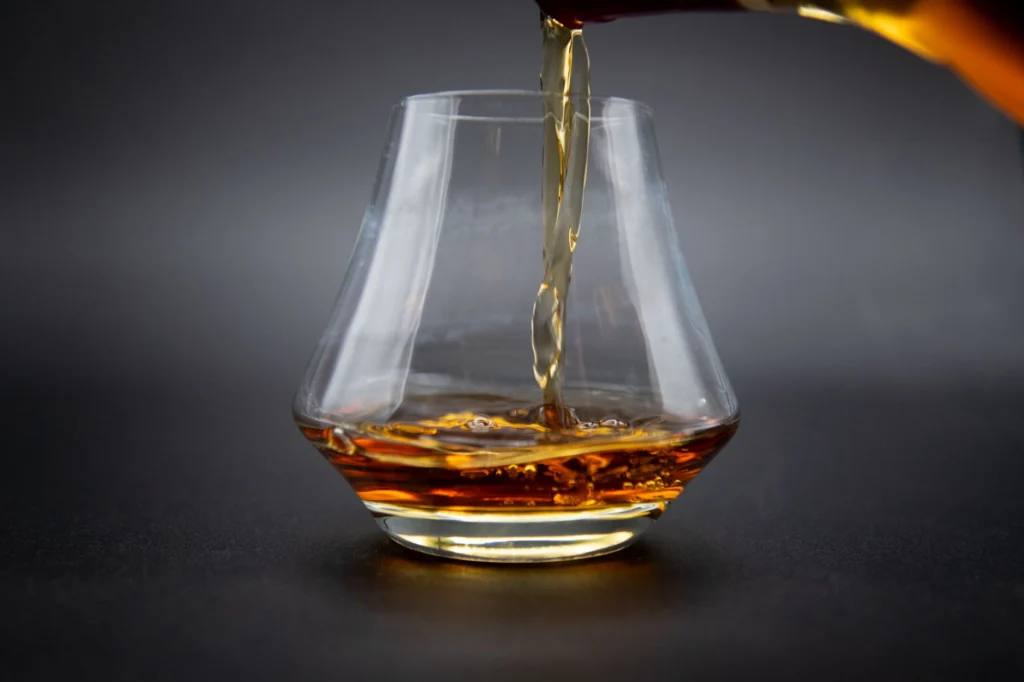
Malt Whiskey Basics and How to Taste It
Malt whiskey rewards attention. The gap between a light Speyside single malt and a heavily peated Islay bottling comes from barley, yeast, distillation, cask, and time. This guide covers the fundamentals, the main categories, the tools that help, and a practical tasting method.
Step 1: What Malt Whiskey Is
Malt whiskey is distilled from a mash that relies on malted barley. In Scotland, malt whisky must use 100% malted barley, and a single malt must come from one distillery. In the United States, malt whiskey must contain at least 51% malted barley. Malting lets barley germinate, then dries it. When peat is burned during drying, its smoke gives the barley phenolic compounds that later show up as smoke, tar, and medicinal notes in the glass.
Scotland, Ireland, Japan, and the United States all produce malt whiskey, but their rules and house styles differ. Scotland is the largest exporter and the most regionally codified. Ireland has a strong single malt and pot still tradition. Japan built its industry on Scotch methods and now has distinct distillery styles. American single malt is smaller but growing, with distillers using varied barley varieties and cask programs.
Step 2: The Main Categories
- Single malt: One distillery, 100% malted barley in Scotland. It shows that distillery’s character. Examples include Glenfiddich 12, The Macallan 12, and Laphroaig 10.
- Single grain: One distillery, but not made solely from malted barley. It usually uses wheat or corn in a column still, often with some malted barley for enzymes. The result is often lighter and less complex than single malt.
- Blended malt: A mix of single malts from different distilleries, with no grain whiskey added. Monkey Shoulder is a common example. Blends can be more approachable or more consistent than a single distillery’s output.
- Cask strength: Bottled without dilution after maturation. ABV is often 55% to 65%, so water is useful. It is not a category of malt by itself, but a bottling style that applies to single malts and blends.
Step 3: Tools That Help
- Glencairn glass or copita: The tulip shape concentrates aromas. A standard tumbler works, but it lets ethanol dominate.
- Water dropper or pipette: A few drops of water can open up aromas, especially in cask-strength whiskey. Add water in small increments.
- Tasting notebook: Record the whiskey name, ABV, cask type, color, nose, palate, finish, and whether you would buy it again. Notes make preferences easier to spot.
Step 4: A Practical Tasting Method
- Appearance: Pour about 20 ml. Color comes from cask type, cask age, and sometimes added caramel coloring in Scotch. It is a clue, not a quality score.
- Nose: Hold the glass below your nose and take short sniffs. Look for fruit, malt, vanilla, oak, spice, smoke, brine, or floral notes. Avoid deep inhales, which can numb your sense of smell.
- Palate: Take a small sip and let it coat your tongue. Note sweetness, texture, alcohol heat, and how the flavors change from front to back.
- Finish: Swallow and time the aftertaste. A long finish may show smoke, oak, dried fruit, or spice. A short finish is not a flaw by itself.
- Water: Add one or two drops, taste again, and compare. Water can soften heat and reveal aromas that were hidden by alcohol.
Step 5: Regional Styles Worth Knowing
- Speyside: Fruity, floral, and often sherry-influenced. Glenfiddich and The Macallan are common reference points.
- Islay: Peat smoke, iodine, brine, and sometimes citrus. Laphroaig and Ardbeg are benchmarks.
- Highlands: A wide range, from light and honeyed to rich and spicy. Oban and Glenmorangie show different sides of the region.
- Lowlands: Lighter, grassy, and often gentle. Auchentoshan and Glenkinchie are typical examples.
- Irish whiskey: Often smooth and approachable, with pot still spice in many expressions. Redbreast and Green Spot are useful starting points.
- Japanese whiskey: Precise and elegant, with styles that range from honeyed to smoky. Yamazaki and Hakushu are well-known examples.
- American single malt: Diverse and experimental, with distillers using local barley and varied casks. Westland and Stranahan’s are established names.
Step 6: Building a Small Collection
Start with three bottles that cover different ground: a light Speyside or Lowland, a peated Islay, and a cask-strength single malt. That set lets you compare unpeated and peated styles, lower and higher ABV, and different cask influences without buying a shelf full of similar whiskey. Add bottles only after you can describe what you liked or disliked in the first three.
Attend local tastings when possible. A guided flight is faster than buying blind, and it gives you a chance to taste older or more expensive bottles without committing to a full bottle. Read distillery notes for cask type and ABV, but treat tasting scores as opinions, not instructions.
Step 7: Food Pairing
- Blue cheese and aged cheddar: Salt and fat stand up to peated whiskey. Try Laphroaig 10 with blue cheese.
- Dark chocolate: 70% cacao or higher works with sherry-cask malts. The bitterness and dried fruit notes meet the whiskey’s sweetness.
- Smoked salmon: The brine and smoke in the fish echo Islay malts without overwhelming them.
- Walnuts and almonds: Nuts add texture and a dry, roasted note that suits high-proof whiskey.
Step 8: Staying Current Without Chasing Hype
Whiskey releases move quickly, and limited editions often sell out before most drinkers see them. Follow distillery release pages, read cask and ABV details, and ask at local bars for samples. A new label is not automatically better than a core-range bottle. The most useful information is usually the cask type, age, ABV, and whether the whiskey is chill-filtered.
Step 9: Drink Responsibly
Malt whiskey is strong, and cask-strength bottles can be over 60% ABV. Measure pours, add water, eat something, and never drink and drive. The point of tasting is attention, not volume.
| Feature | Single Malt | Blended Malt |
|---|---|---|
| Origin | One distillery | Multiple distilleries |
| Composition | 100% malted barley in Scotland | Single malts only, no grain whiskey |
| Typical character | Distillery-specific, often more variable by batch | Balanced and consistent by design |
| Price | Often higher, especially for age statements | Generally more affordable |
| Example | The Macallan 12 Year Old | Monkey Shoulder |
FAQ
What temperature should I serve malt whiskey at?
Serve it at room temperature, roughly 60-65°F (15-18°C). Cold temperatures mute aromas. If you add water, use room-temperature water.
How should I store malt whiskey?
Keep bottles upright in a cool, dark place away from sunlight and heat. A sealed bottle is stable for years, though opened bottles slowly change as oxygen enters. Avoid storing whiskey on its side, because high-proof spirit can damage the cork.
What is the difference between Scotch and Bourbon?
Scotch whisky must be made in Scotland. Single malt Scotch uses 100% malted barley at one distillery, while blended Scotch can include grain whisky. Bourbon must be made in the United States from a mash of at least 51% corn and aged in new charred oak barrels. Scotch often shows malt, smoke, or sherry notes; Bourbon typically shows vanilla, caramel, and oak from the new barrel.
If your company or product is mentioned in this article, you're welcome to share it.


