What a Wine Flight Is
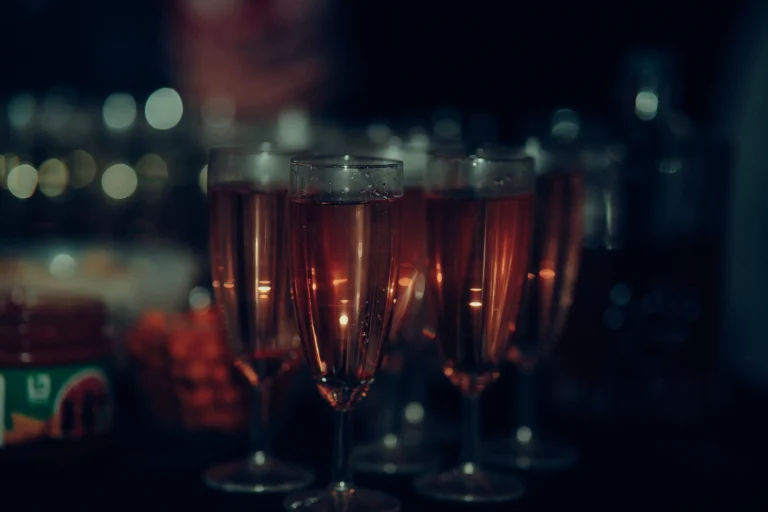
A wine flight is a set of small pours served together for comparison. Most flights include three to five wines, usually two to three ounces each. The format can focus on one grape, one region, one producer, or a winemaking style. It is a practical way to taste across a range without opening several full bottles.
Why Taste a Flight
Side-by-side tasting makes differences easier to notice. A flight can show how the same grape changes from Burgundy to Oregon, how oak affects Chardonnay, or how vintage affects a red. It also lets you try wines outside your usual choices without committing to a bottle. For groups, small pours encourage discussion and comparison.
How to Build a Flight
1. Choose a Theme
Pick one clear question. Examples: Pinot Noir from three regions, Rioja at three age levels, or sparkling wines made by different methods. A theme keeps the tasting focused and makes the comparisons meaningful.
2. Select Three to Five Wines
Choose wines that fit the theme but differ in at least one useful way. For a New World Chardonnay flight, you might pour a rich, oaky California bottle, a fruit-forward Australian bottle, and a leaner Chilean bottle. Keep the number small enough that each wine gets attention.
3. Set Pour Sizes
Pour two to three ounces per wine. Four pours at that size equal roughly one standard glass. Use identical clear glasses when possible, or rinse glasses thoroughly between wines.
4. Order the Wines
Start light and move toward fuller or sweeter wines. A common order is light white, fuller white, rosé, light red, medium red, full red, then sweet wine. This keeps delicate wines from being overwhelmed by bolder ones. Rinse with water between pours.
5. Set Up the Table
You need glasses, water, a notepad, and a spittoon or dump cup if you are not drinking every pour. Keep the room free of strong smells such as cooking oil or scented candles, since they interfere with aroma.
How to Taste a Flight
Look
Hold the glass against a white background. Note color, clarity, and how the wine coats the glass. In white wines, color can hint at age or oak. In reds, deeper color can suggest concentration, though grape variety also matters.
Smell
Swirl gently and smell. Name what you find: citrus, apple, berry, pepper, earth, vanilla, toast. Compare each wine to the one before it. Aroma is where many differences between regions and styles show up first.
Taste
Take a small sip and let it cover your mouth. Note acidity, tannin, body, sweetness, and finish. Acidity feels crisp or mouth-watering. Tannin feels drying, like strong tea. Body ranges from light to full. Finish is how long the flavor stays after you swallow or spit.
Compare
Write one or two notes per wine. Then compare: Which wine is drier? Which has more oak? Which finish lasts longer? The comparison is the point of the flight.
Food with a Flight
Keep food simple if the flight covers several styles. Cheese, charcuterie, olives, nuts, and small appetizers work well because they can bridge white and red wines. For a focused flight, match more closely. Italian reds suit pasta, pizza, or cured meat. Sparkling wines suit salty foods and fried appetizers. Avoid very spicy or heavily sauced dishes unless the flight is built around them.
Other Flights
The flight format also works for beer, spirits, olive oil, and chocolate. Beer flights are common in taprooms and let drinkers compare styles or hops. Whiskey flights can show differences in grain, barrel, or age. Olive oil flights highlight peppery, fruity, or buttery notes. Chocolate flights compare cacao percentages and origins. In each case, small samples and direct comparison are the method.
Where to Taste a Flight
Wineries often use flights to show a range of wines and explain vineyard or cellar choices. Restaurants use them to let guests try several wines without buying full bottles. At home, a flight works for a dinner, a date, or a small gathering. Choose a theme, keep pours small, and take notes.
Conclusion
A wine flight is a structured tasting, not a gimmick. It works because small pours, a clear theme, and direct comparison make differences easier to see, smell, and taste. Whether you are comparing Chardonnay from three regions or Cabernet from three vintages, the flight gives each wine a context.
If your company or product is mentioned in this article, you're welcome to share it.