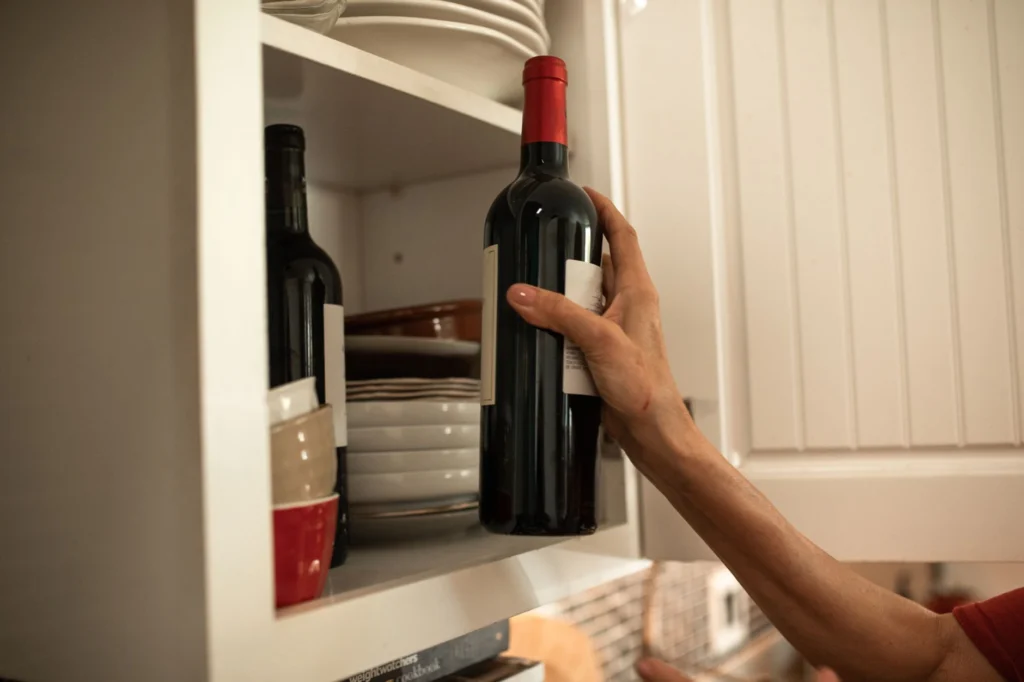
What Residual Sugar Means in Red Wine
Most red wines are dry, but dry does not mean zero sugar. Residual sugar, or RS, is the sugar left after fermentation. Yeast converts grape sugar into alcohol. If fermentation stops early, or if the grapes are especially ripe, some sugar remains. Dry reds typically fall around 0 to 4 grams per liter. Off-dry is about 4 to 12 g/L, medium-sweet is 12 to 45 g/L, and sweet is above 45 g/L. These ranges are useful guides, not universal label law.
Why Some Reds Taste Sweeter Than Their RS
Perception is not a lab measurement. Ripe fruit, lower acidity, soft tannins, and oak can make a dry wine feel rounder or sweeter. High acidity and grippy tannins can make the same RS level feel drier. A warm-climate Zinfandel may show jammy fruit and a plush texture, while a cool-climate Pinot Noir with similar RS may taste leaner. Alcohol also adds body and can read as sweetness.
What Raises Residual Sugar
Grape ripeness, climate, yeast strain, and fermentation choices matter. Warm climates generally ripen grapes with more sugar. Winemakers can stop fermentation early, chill or filter yeast, or add unfermented grape juice, known as Süssreserve, to adjust sweetness. Some styles, such as certain Amarone, Recioto, or fortified reds, are intentionally sweeter. Most Cabernet Sauvignon, Merlot, Pinot Noir, and Syrah labeled dry fall near 0 to 4 g/L, but specific bottlings vary.
How to Find the Number
Labels rarely list RS. Check the winery tech sheet or website. Many producers publish pH, titratable acidity, alcohol, and residual sugar. If the information is not posted, ask the winery or importer. A retailer with a serious wine program may have specs. Taste alone cannot tell you whether a wine has 1 g/L or 5 g/L, especially once acidity and tannin are involved.
Does It Matter for Health?
For most dry reds, sugar is a small part of the calorie load. Alcohol contributes more calories per gram. A 5-ounce glass of dry red at 13% ABV has roughly 120 to 130 calories, with sugar usually contributing only a few. If you manage diabetes or track sugar intake, RS still matters, but portion size and alcohol are bigger factors. Off-dry and sweet reds can add meaningful sugar per glass.
Pairing With RS in Mind
Dry reds with firm tannin work with grilled meat, aged cheese, and earthy dishes. Off-dry reds can handle spicy food, salty cured meat, or fruit-based desserts better than bone-dry, high-tannin reds. The old rule that sweet wine must be sweeter than dessert is useful: an off-dry red will taste thin next to a very sweet cake.
FAQ
Does aging red wine reduce sugar?
No. RS is set by winemaking. Aging can change how sweet the wine seems as fruit and tannin evolve, but it does not remove sugar unless the wine is refermented, which is rare and usually a fault.
Are any red wines sugar-free?
Not literally. Grapes contain sugar, and even bone-dry wines can have 0 to 1 g/L RS. A lab may report less than 1 g/L rather than zero.
How can I guess if a red is sweet without a tech sheet?
Look for jammy fruit, low tannin, low acidity, and a rounded texture, especially from warm climates or late-harvest grapes. But these are clues, not proof. The tech sheet is the reliable answer.
If your company or product is mentioned in this article, you're welcome to share it.