

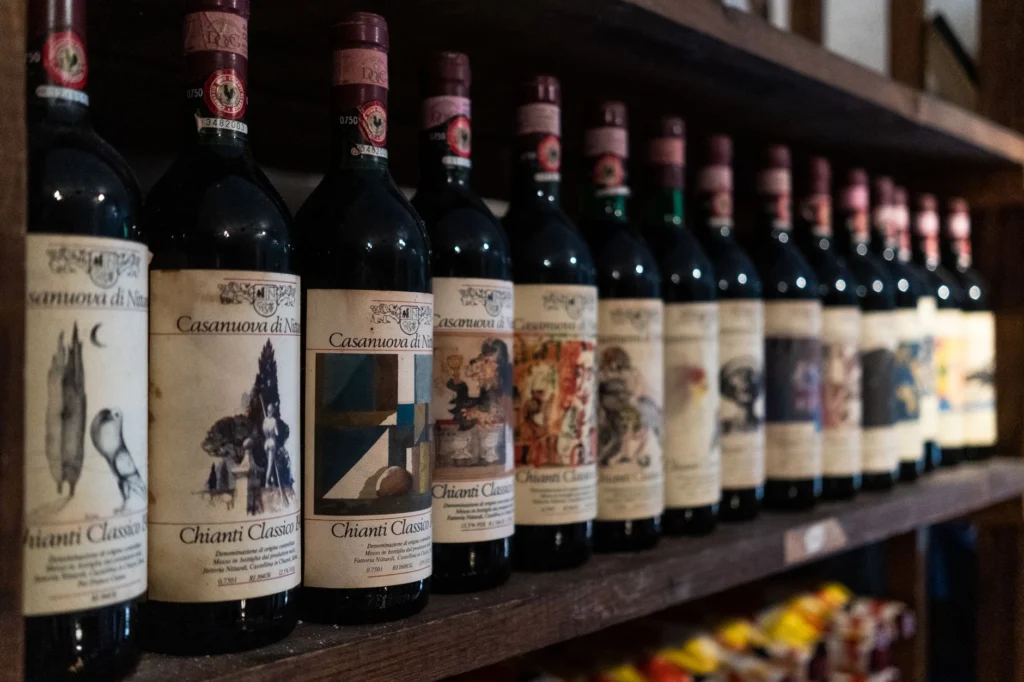
Uncorking the Truth: Debunking Myths on Your Chianti Wine Tour
Chianti is one of Italy’s most recognized wine names, and also one of the most misunderstood. A tour through the hills between Florence and Siena quickly shows that the region is more varied than the old straw-basket image suggests. Here are the myths worth retiring before you book a tasting.
Myth 1: Chianti always comes in a straw basket
The round fiasco wrapped in straw was practical before modern glass bottles were reliable: the straw protected the glass and gave the rounded bottle stability. Today most quality Chianti is sold in standard Bordeaux-style bottles. A few producers still use the fiasco for tradition or novelty, but the container tells you almost nothing about the wine. Look instead at the designation, the producer, and the vintage. Chianti Classico and Chianti Classico Riserva are the labels to watch for structured, age-worthy examples.
Myth 2: Chianti is always light, simple, and cheap
That reputation comes from the postwar years, when large volumes of thin, acidic Chianti were bottled for everyday drinking. The DOCG rules now set a different baseline. Chianti DOCG requires at least 70 percent Sangiovese, while Chianti Classico requires at least 80 percent. The best Classico and Riserva wines can be firm, savory, and built to age, with sour cherry, dried herbs, leather, and tobacco notes. Prices vary widely, but top bottles are not table-wine bargains.
Myth 3: All Chianti tastes the same
Chianti covers a large area with different altitudes, soils, and exposures. A wine from a warm, low-lying site can taste rounder and more forward than one from a cool, high-altitude vineyard in Chianti Classico. Even inside Classico, the three main communes of Gaiole in Chianti, Radda in Chianti, and Castellina in Chianti have distinct reputations. Radda tends to be cooler and more angular; Gaiole can be broad and structured; Castellina often sits between the two. Tasting across those subzones is one of the most useful ways to understand the region.
Myth 4: Chianti only works with Italian food
Chianti’s acidity and tannin make it flexible at the table. It is excellent with tomato-based pasta, pizza, and grilled meat, but it also works with roast chicken, mushrooms, aged pecorino, and many vegetable dishes. Match the weight of the wine to the food: a basic Chianti suits simple midweek meals, while a Chianti Classico Riserva can handle braised beef or a long-cooked ragù. The old rule that Chianti must stay within Italian cuisine does not hold up.
Myth 5: Older Chianti is always better
Age helps only when the wine has the structure to support it. A simple Chianti is usually best within three to five years of the vintage, when its fruit is fresh. A well-made Chianti Classico or Riserva from a good producer and a strong vintage can improve for 10 to 15 years, sometimes longer. Before cellaring a bottle, check the producer, vintage, and designation. A random old bottle from a weak year is more likely to be tired than transformed.
Myth 6: You need to be a wine expert to enjoy a Chianti tour
Most wineries in Chianti are used to visitors with little technical knowledge. A good tour explains Sangiovese, the difference between Chianti and Chianti Classico, and why the same grape can taste different from one hill to the next. You do not need tasting vocabulary to enjoy the visit. Ask direct questions: how old are the vines, how long did the wine spend in oak, and what should I drink it with? The answers will teach you more than a score sheet.
Planning a Chianti wine tour
Use Greve in Chianti, Radda in Chianti, or Castellina in Chianti as a base if you want to visit several estates without long drives. Book popular wineries ahead, especially in September and October during harvest. A guided tour helps if you want to taste without worrying about driving on the narrow country roads. Pace yourself: spittoons are normal at tastings, and water and bread between stops will keep your palate fresher. Smaller family estates often offer more personal visits than famous names, so leave room for one or two unscheduled stops.
Beyond the glass
The Chianti countryside is not only vineyards. Olive groves, stone farmhouses, Romanesque churches, and medieval villages are part of the experience. In Greve, the market square is a good place to buy pecorino, cured meat, and local olive oil. In Castellina, the walk along the old walls gives a sense of how these hill towns were built for defense. A tour that includes a vineyard walk and a stop in a village will explain more about the wine than a rushed series of tastings.
FAQ
When is the best time to visit Chianti?
April, May, September, and October are the most comfortable months. Spring is green and quiet, while September and October bring harvest activity and cooler evenings. July and August are hot and busy, and many small wineries are focused on vineyard work.
How much does a Chianti wine tour cost?
A group day tour with transport usually runs from about 50 to 120 euros per person. Private tours, tastings with lunch, and visits to highly sought-after estates cost more. Tasting fees at individual wineries often range from 15 to 40 euros and may be waived if you buy wine.
What should I wear?
Wear comfortable shoes for gravel paths and uneven village streets. Bring a light layer even in summer, since hilltop towns and cellars can be cool. Casual clothing is fine for daytime tastings. For a serious dinner in Florence or Siena, add a jacket or a smarter outfit.
If your company or product is mentioned in this article, you're welcome to share it.


