Plastic Bottle Wine: What It Is and Why It Exists
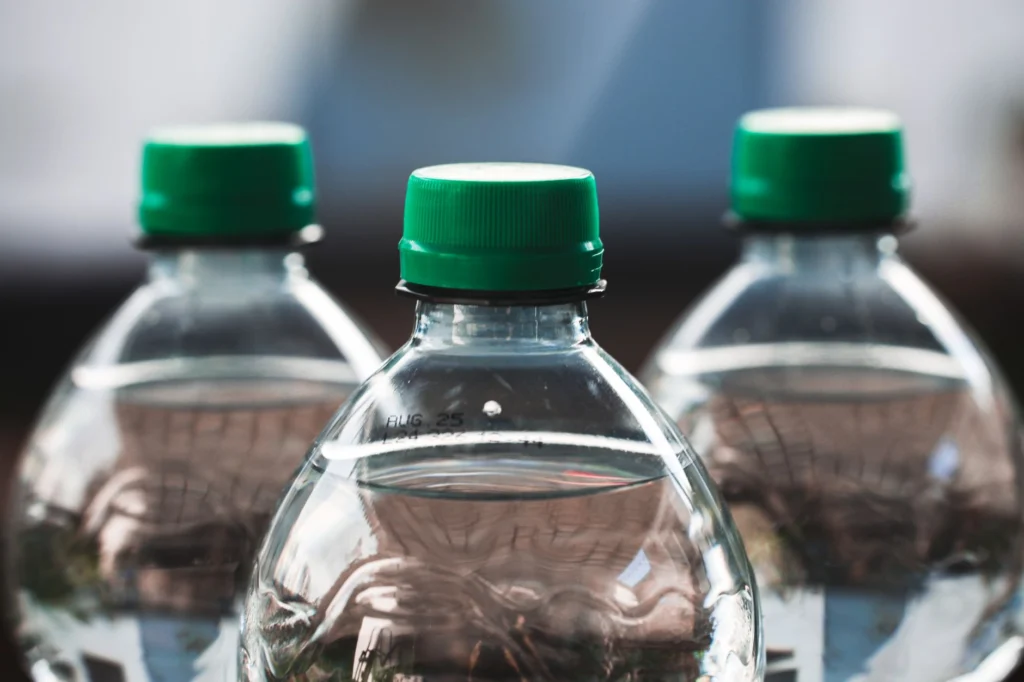
Plastic bottle wine is wine packaged in polyethylene terephthalate (PET) bottles rather than glass. PET is lightweight, shatter-resistant, and recyclable. Wineries use it mainly for wines meant to be drunk young, where lower shipping weight and lower breakage can reduce costs and transport emissions. It is not a universal replacement for glass. The packaging choice affects shelf life, storage, and how the wine should be handled.
Myth 1: Plastic Bottles Ruin the Taste of Wine
Modern food-grade PET is designed to be inert, and properly made bottles do not noticeably change a wine’s flavor within its intended drinking window. The more important issue is oxygen. PET is more permeable to oxygen than glass, so wine in plastic is best consumed within about 6 to 12 months of bottling. For wines intended to age for years, glass remains the better container because it limits oxygen ingress.
Myth 2: Plastic Bottle Wine Is Always Cheap and Low Quality
Packaging and wine quality are separate decisions. Many low-cost wines use PET, but some reputable producers also use it for everyday whites, rosés, and light reds. Quality still depends on the grapes, fermentation, blending, and winemaking. A well-made wine can be sound in PET if it is bottled and stored correctly and drunk within the recommended window. A poorly made wine will not improve in glass.
Myth 3: Plastic Bottles Are Not Sustainable
The sustainability case is mixed, not automatic. PET bottles are lighter than glass, which lowers fuel use during transport, and recycling PET generally requires less energy than recycling glass. But those benefits depend on collection and recycling systems. If PET ends up in landfill or the environment, it becomes pollution. The practical takeaway is to buy plastic-bottle wine only where recycling is available and to treat the bottle as packaging to be recycled, not reused indefinitely.
Myth 4: Only Certain Wines Can Go in Plastic
It is less about a chemical rule and more about timing. Wines meant for early consumption, such as many whites, rosés, and light-bodied reds, are the best fit for PET. Wines intended to age for several years should stay in glass because plastic allows more oxygen transfer over time. If a producer puts an ageworthy wine in plastic, the drinker should expect a shorter drinking window.
Advantages of Plastic Bottle Wine
- Lightweight: Lower shipping weight can reduce transport costs and fuel use.
- Durable: Less breakage than glass, which helps at outdoor events and in transit.
- Recyclable: PET can be collected and recycled into new products.
- Cost-effective: The bottle itself is often cheaper than glass, though wine quality still drives price.
Disadvantages of Plastic Bottle Wine
- Oxygen permeability: PET lets in more oxygen than glass, so the wine has a shorter shelf life.
- Perception: Some drinkers still read plastic as a sign of lower quality, even when the wine is sound.
- Reuse limits: PET bottles are not designed for repeated refilling and should be recycled after use.
| Feature | Plastic Bottle Wine | Glass Bottle Wine |
|---|---|---|
| Weight | Lightweight | Heavy |
| Durability | Less prone to breakage | Fragile |
| Recyclability | Recyclable PET | Recyclable |
| Cost | Usually lower packaging cost | Usually higher packaging cost |
| Oxygen permeability | More permeable | Less permeable |
| Best suited for | Wines for early consumption | Wines for aging |
The Future of Wine Packaging
Plastic bottles are one option among several. Aluminum cans and bag-in-box also reduce weight and breakage, and each has its own tradeoffs for shelf life and serving. The likely direction is more variety rather than one format replacing glass. For consumers, the useful questions are simple: when was the wine bottled, how soon should it be drunk, and can the package be recycled locally?
Conclusion: Innovation With Limits
Plastic bottle wine works best as a practical choice for young, everyday wines and situations where weight or breakage matters. It is not the right container for wines meant to age. The myths are mostly overstated, but so are some of the claims made for plastic. Check the drinking window, buy from producers you trust, and recycle the bottle where systems exist.
FAQ About Plastic Bottle Wine
How long can I store wine in a plastic bottle?
Plan to drink it within about 6 to 12 months of purchase. PET is more permeable to oxygen than glass, and these wines are bottled for early consumption, not long aging.
Are plastic wine bottles safe to reuse?
PET bottles are recyclable but not designed for repeated refilling. They can degrade with reuse, so recycle them after the wine is finished.
Does the type of plastic affect the wine?
Food-grade PET is made to be inert and to limit leaching. The bigger practical issue is oxygen transfer over time, which is why storage and drinking window matter.
If your company or product is mentioned in this article, you're welcome to share it.