

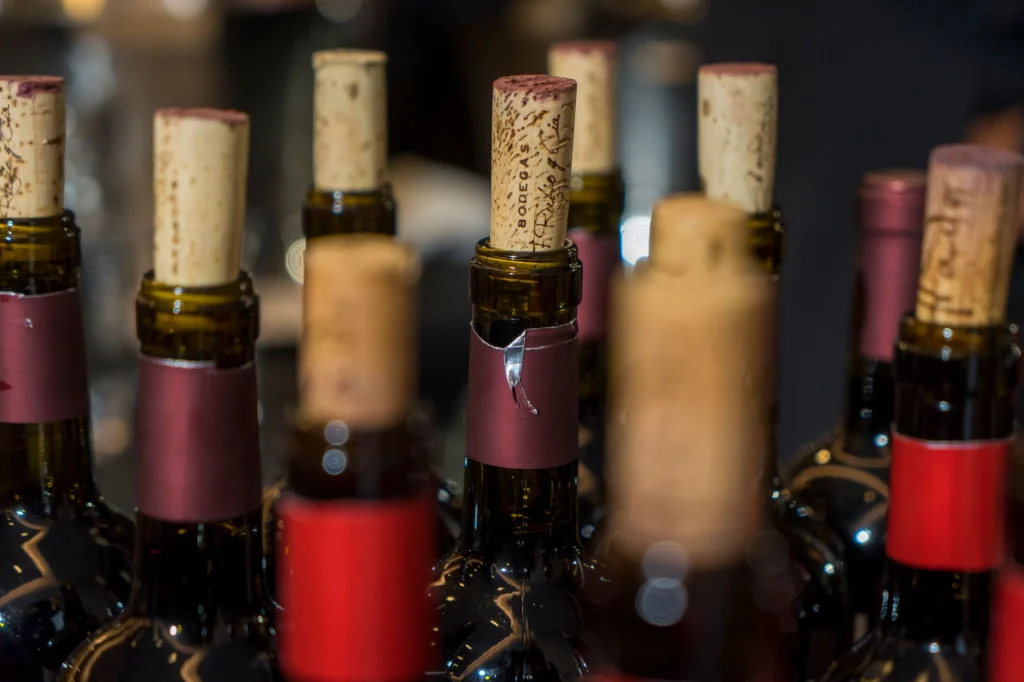
The category has changed
Alcohol-free wine is no longer a single product type. It includes dealcoholized wine, unfermented grape-based drinks, and blends. The useful distinction is not good versus bad but how the drink was made. A dealcoholized wine starts as fermented wine and then has alcohol removed. An unfermented product is built from grape juice, tea, or other ingredients. Both can be pleasant, but they are not the same thing. The best dealcoholized wines begin with a sound base wine: ripe fruit, good acidity, and enough structure to survive alcohol removal.
Where amateurs go wrong
The common mistakes are predictable. Buying by price alone. Trusting front-label words like crisp or smooth without checking the grape, origin, or method. Expecting an exact replica of a favorite Chablis or Barolo. Dismissing the whole category after one thin, sweet sample. Alcohol-free wine is not a lesser version of wine; it is a different drink with different constraints. The alcohol is gone, so the body and aroma have to come from somewhere else. If the base wine was weak, the finished product usually tastes weak. An experienced taster approaches these wines as their own category, not as a failed copy.
Production methods that matter
Vacuum distillation heats wine under reduced pressure so alcohol evaporates at a lower temperature. It is widely used and can be efficient, but delicate aromas may be lost. Reverse osmosis uses pressure to push wine through a membrane that separates alcohol and water from the rest of the wine. The alcohol is then removed from the permeate, often by distillation, and the remaining wine is blended back. It can be gentle, though body and texture can still suffer. Spinning cone column technology uses a vacuum and centrifugal force to separate volatile aroma compounds before alcohol removal, then returns those aromas to the dealcoholized wine. It costs more, but it often preserves more of the wine’s scent.
How to spot a better bottle
Start with the nose. A good alcohol-free wine smells like fruit, flowers, yeast, or spice, not cooked fruit, sweet syrup, or artificial flavoring. On the palate, acidity should give the wine shape. Texture should not be watery or syrupy. The finish should be clean and should last longer than a second. Check the label for the grape variety and the dealcoholization method. If the producer does not say, that is a signal. Many alcohol-free wines are best served cold and consumed within a few days of opening, since they lack the preservative effect of alcohol.
Grapes that hold up
Riesling is a strong candidate because its high acidity and aromatic intensity survive dealcoholization; expect citrus, apple, and honey notes. Sauvignon Blanc keeps its grassy, citrusy character better than many neutral grapes. Pinot Noir can work for reds, with red fruit and earthy notes, but it is harder to keep from tasting thin. Shiraz offers a bolder option, with blackberry, spice, and chocolate notes that can stand up to the process. Chardonnay can also work when the base wine has enough texture and the method preserves aroma.
Food pairing without the alcohol
Without alcohol, these wines can pair more broadly. Sparkling alcohol-free wine works with appetizers, seafood, and salads. Dry white works with chicken, fish, and vegetable dishes. Rose handles grilled meats, salads, and spicy food. Red works with stews, roasted vegetables, and grilled meat. The key is to match intensity: a delicate sparkling wine will disappear next to a rich stew, and a bold red will overwhelm a light salad.
FAQ
Does alcohol-free wine taste the same as regular wine?
No. Removing alcohol changes aroma, body, and texture. High-quality examples can be enjoyable, but they are not identical to alcoholic wine.
How should alcohol-free wine be stored?
Store it in a cool, dark place away from heat and direct sunlight. After opening, refrigerate it and drink it within a few days.
Is alcohol-free wine really alcohol-free?
Most products labeled alcohol-free contain less than 0.5% alcohol by volume. That is similar to some fruit juices. If you need to avoid all alcohol for medical or personal reasons, check the label and contact the producer if needed.
If your company or product is mentioned in this article, you're welcome to share it.


